Can Wool Insulation Felt Protect Heat-Sensitive Components Around High-Temperature Equipment?
For industrial equipment manufacturers, engineering companies, industrial material importers, and distributors, a practical material purchasing question arises when equipment generates continuous heat during operation: Can wool insulation felt be used to protect nearby plastic parts, electrical components, rubber parts, or other heat-sensitive components?
The answer is: Wool insulation felt can be considered for certain indirect thermal protection applications, but its suitability cannot be determined simply by the name “wool insulation felt.”
What really needs to be confirmed is the heat source location, actual operating temperature, exposure time, installation method, and material structure.
Therefore, when selecting Wool Insulation Felt, buyers should not focus only on finding a simple “maximum temperature” number. Instead, they should determine whether the material can address the actual heat-transfer problem around the equipment.
What Problem Is Wool Insulation Felt Actually Solving?
Heat generated by industrial equipment can be transferred to other components through contact, radiation, or surrounding air.
When heat-sensitive components are located close to a heat source, continuous heat transfer may affect plastic parts, electrical components, rubber materials, seals, or other temperature-sensitive components.
In this situation, the purpose of insulation is not to make the heat source disappear, but to reduce the rate and extent of heat transfer to the area that needs protection.
Therefore, wool insulation felt should be evaluated from the perspective of thermal protection rather than simply being considered a material that can withstand any high-temperature environment.
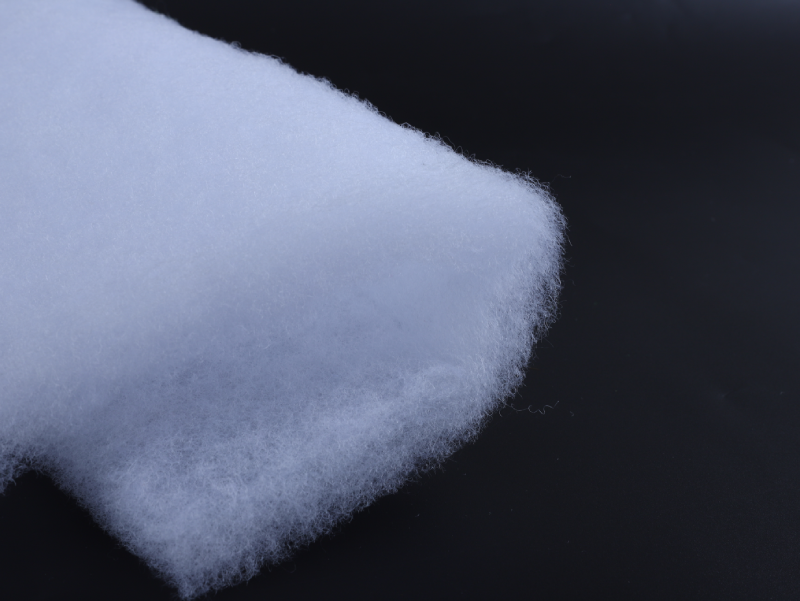
For equipment structures that require flexible local wrapping, separation, or protection, wool needle punched felt can be a material option worth evaluating.
When Can Wool Insulation Felt Be a Practical Option?
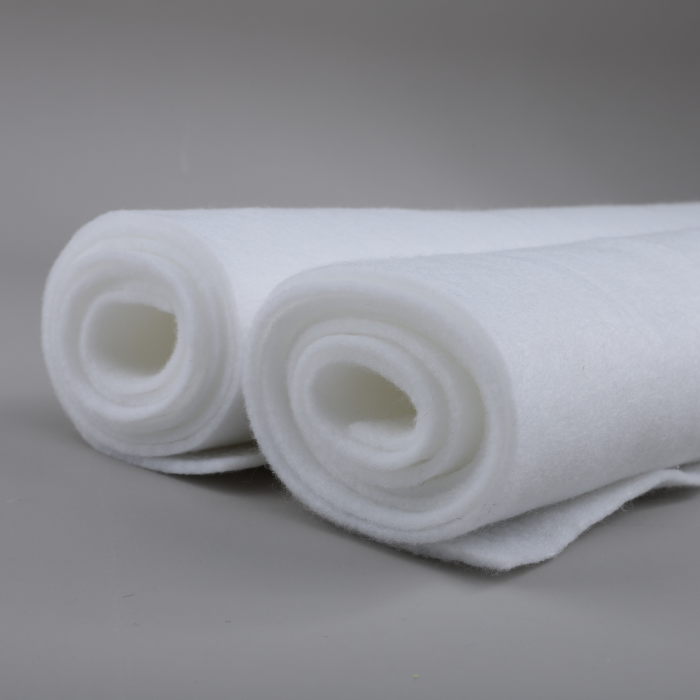
When equipment has a clear need for local thermal protection, buyers can consider evaluating High Temperature Wool Insulation Felt.
For example, there may be heat-sensitive components near equipment that need to be protected from excessive heat, or high-temperature pipes, machinery, heating systems, and other areas may require an additional flexible insulation layer.
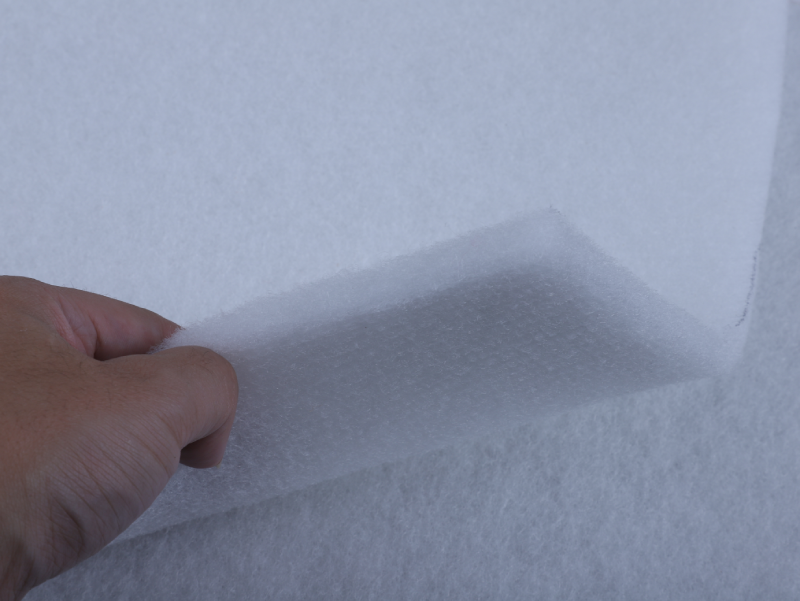
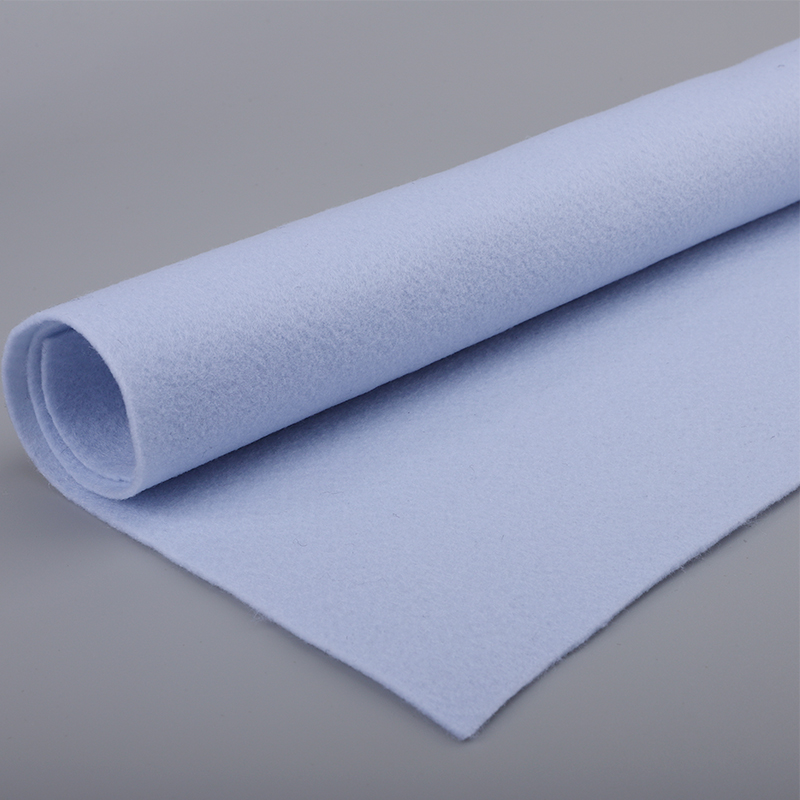
For some equipment with complex structures or non-flat surfaces, flexible needle punched nonwoven materials may also be easier to wrap or install than rigid insulation materials.
The key point is not:
“The equipment operates at a high temperature, so wool felt must be used.”
Instead, the question is:
“Is there a specific location where heat transfer needs to be reduced?”
If the answer is yes, buyers can further evaluate whether the material is suitable.
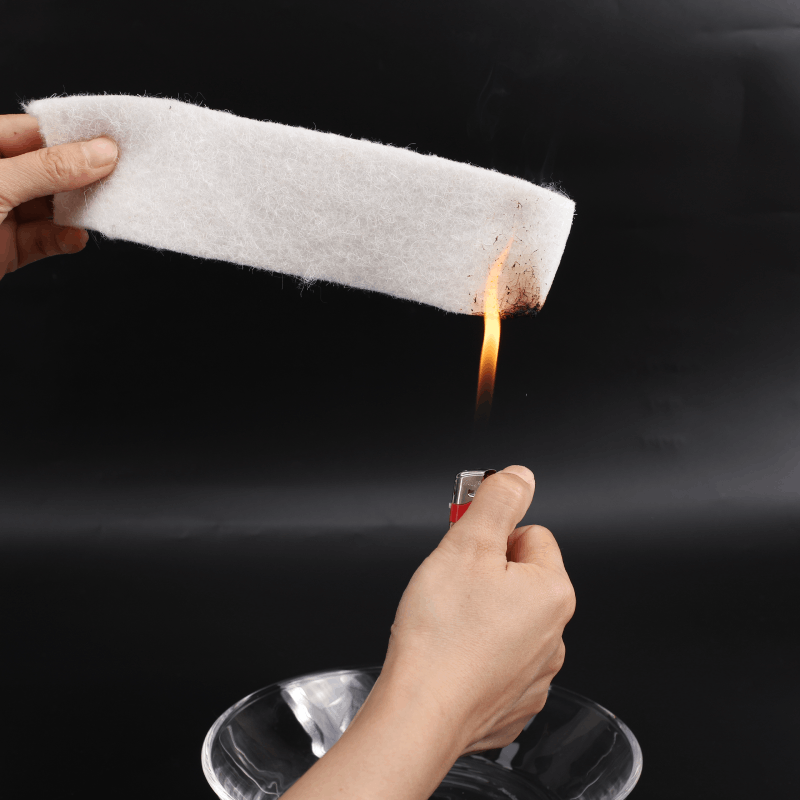
However, if the material needs to come into direct contact with flames, withstand extreme temperatures, or meet specific industry testing requirements, buyers should not make a purchasing decision based only on the name wool insulation felt.
Why Can the Same Wool Insulation Felt Perform Differently in Different Equipment?
One point buyers often overlook is that material performance is not determined by “wool” alone.
Different Wool Thermal Insulation Felt products may use different fiber compositions, wool contents, GSM, thicknesses, and densities, so their actual performance in use can also vary.
In addition, the distance between the material and the heat source, whether the material is in direct contact with the heat source, and whether the exposure is continuous or short-term can all affect the final thermal protection performance.
For example, the same material used for local protection at a certain distance from a heat source cannot be evaluated in exactly the same way as material that is directly exposed to a high-temperature surface.
Therefore, buyers should not only ask:
“What is the maximum temperature?”
They should also tell the supplier:
How far is the material from the heat source?
Will it directly contact the heat source?
What is the normal operating temperature?
What is the peak temperature?
How long is the material exposed continuously?
Where will the material be installed?
This information allows the supplier to evaluate whether the material is worth proceeding to the sampling stage based on the actual application.
What Should Buyers Confirm Before Requesting a Quote or Sample?
If you are preparing to source Industrial Insulation Felt from China, it is useful to organize several basic details before requesting a quotation.
First, confirm the actual operating temperature.
Do not provide only a maximum temperature. Ideally, provide the normal operating temperature, peak temperature, and continuous exposure time.
Second, confirm the installation position.
Will the material wrap a pipe, cover an equipment surface, or be placed between a heat source and a heat-sensitive component? Different positions can create different material conditions.
Third, explain the distance between the heat source and the material.
If the material is not directly contacting the heat source but is being used to protect nearby components, the heat-transfer conditions are different from those of direct contact with a high-temperature surface.
Fourth, explain the material dimensions and installation method.
If the material needs to be bent, wrapped, fixed, or processed further, this should also be communicated to the supplier in advance.
Fifth, explain the thermal protection problem that needs to be solved.
For example, the goal may be to reduce heat exposure to a nearby plastic component or reduce heat transfer to a particular equipment part.
For purchasing purposes, this information is more useful than asking only for a single “maximum temperature” specification.
When Should Buyers Consider Other High-Temperature Insulation Materials?
Wool insulation felt is not a universal solution for every high-temperature application.
If the material needs to face direct flames, extremely high temperatures, prolonged severe heat exposure, or specific industry testing and safety requirements, buyers should evaluate other high-temperature materials according to the actual operating conditions.
In particular, buyers should not assume that a product described by a supplier as:
“High Temperature Insulation Felt”
is automatically suitable for every high-temperature equipment application.
Actual material suitability should be evaluated according to:
Fiber composition
Material structure
Actual operating temperature
Exposure time
Installation position
Heat source type
Final product requirements
For industrial purchasing, a professional supplier should be able to discuss the material solution based on these actual conditions rather than providing only a temperature number without an application context.
How Jinhaocheng Supports Wool Insulation Felt Development
HuiZhou JinHaoCheng Nonwoven Co., Ltd. has long been engaged in the production of needle punched nonwoven and related functional materials and can develop wool and wool-blend needle punched nonwoven materials according to different industrial application requirements.
For overseas buyers requiring Wool Insulation Material, product development can be carried out around basic material requirements such as fiber composition, wool content, GSM, thickness, and density.
Jinhaocheng also supports OEM/ODM production. For industrial customers with long-term purchasing requirements, bulk production can be arranged according to the confirmed material specifications.
For buyers, the more important point is to provide the actual operating environment and installation conditions before sampling so that the supplier can evaluate the material according to the final application, rather than simply selecting a standard product described as “high temperature resistant.”
Conclusion: Can Wool Insulation Felt Protect Heat-Sensitive Components Around High-Temperature Equipment?
It can be evaluated for certain indirect thermal protection applications, but suitability cannot be determined only by the material name or a single temperature rating.
If your equipment has plastic parts, electrical components, rubber parts, or other heat-sensitive components nearby and you need to reduce heat transfer to these components, Wool Insulation Felt can be considered as a flexible thermal protection material.
Before moving to bulk purchasing, however, buyers should confirm the actual operating temperature, exposure time, heat source location, installation method, and material structure, and evaluate the material through actual application-based sampling.
For overseas buyers, the more useful question is not:
“How high a temperature can wool insulation felt withstand?”
It is:
“Can this wool insulation felt provide the thermal protection my equipment actually needs?”
Clarify the equipment’s thermal protection problem first, determine whether the material is suitable, and then move to sampling and bulk purchasing. This is a more reliable approach than selecting a material simply because its product name includes “high temperature.”