Welcome to visit our company's website!
   |   Sitemap

HUIZHOU JINHAOCHENG NONWOVENS CO.,LTD

WE PROVIDE ONE.STOP SOLUTIONS FOR NON WOVEN FABRICS
AND VARIOUS NON WOVEN RELATED PRODUCTS!

HUIZHOU JINHAOCHENG NONWOVENS CO.,LTD.

How to Prevent Condensation on Metal Roof | Anti-Condensation Felt | A Complete Guide for Homeowners & Contractors

Jul .23.2026
  views
If you own a warehouse, workshop, or even a residential property with a metal roof, you’ve likely dealt with the headache of condensation. That “dripping” sound on rainy days, rust spots on steel panels, or musty odors from mold growth aren’t just annoying—they’re costly. Left unchecked, metal roof condensation can lead to structural damage, ruined inventory, and even health risks from mold exposure.

The good news? Preventing condensation on metal roofs is entirely possible with the right strategies. In this guide, we’ll break down why condensation happens, proven DIY fixes, and a game-changing solution trusted by contractors worldwide: self-adhesive anti-condensation felt from Huizhou Jinhaocheng Nonwovens Co., Ltd.—a 21-year leader in premium nonwoven manufacturing.

离型针刺棉场景使用 (6).jpg


Why Does Condensation Form on Metal Roofs?

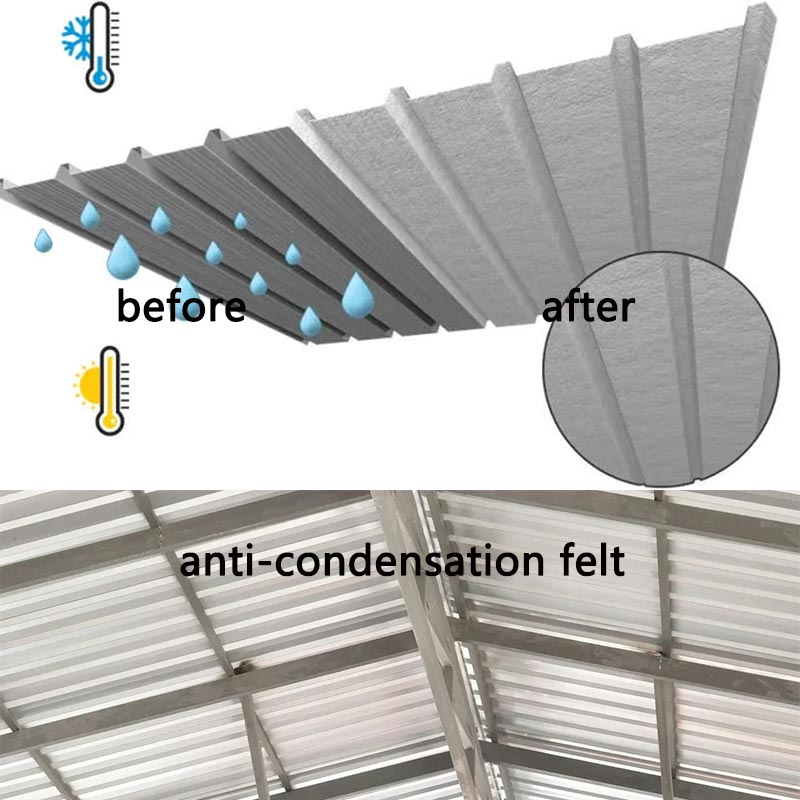
Before diving into solutions, let’s start with the science. Condensation occurs when warm, moist air meets a cold surface (like a metal roof). Metal is an excellent conductor of heat, so when outdoor temperatures drop—especially at night or during winter—the roof’s surface cools rapidly. If the indoor air is humid (from cooking, showers, machinery, or even ground moisture), water vapor in the air condenses into liquid droplets on the underside of the roof.
This problem worsens in unventilated spaces (e.g., attics, warehouses) where humid air gets trapped. Over time, these droplets cause:
  • Rust and corrosion: Metal roofs lose their protective coating, leading to leaks and structural weakness.
  • Mold and mildew: Damp environments breed fungi that damage insulation, drywall, and stored goods.
  • Electrical hazards: Moisture near wiring or control panels increases the risk of short circuits.


Step 1: Control Indoor Humidity (But It’s Not Enough Alone)

Reducing indoor moisture is the first line of defense. Simple fixes include:
  • Installing exhaust fans in kitchens, bathrooms, or workshops to vent humid air outside.
  • Using dehumidifiers in enclosed spaces (aim for 30–50% relative humidity).
  • Sealing gaps around doors, windows, or vents to prevent outdoor moisture from entering.

However, these steps only address the source of moisture—not the metal roof itself. Even with low indoor humidity, sudden temperature drops can still trigger condensation. That’s where physical barriers come in.

离型针刺棉 (11).jpg

Step 2: Insulate and Ventilate—But Don’t Stop There

Traditional solutions like fiberglass batts or spray foam insulation slow heat transfer, keeping the roof warmer and reducing condensation risk. Proper ventilation (e.g., ridge vents, soffit vents) also helps circulate air, preventing humid air from pooling.
But here’s the catch: Insulation and ventilation alone often fall short. Fiberglass can sag or absorb moisture (leading to mold), while spray foam requires professional installation and may trap moisture if not applied correctly. For a simpler, more reliable fix, many contractors now turn to anti-condensation felt—a specialized material designed to absorb and manage moisture at the source.

The Ultimate Fix: Self-Adhesive Anti-Condensation Felt

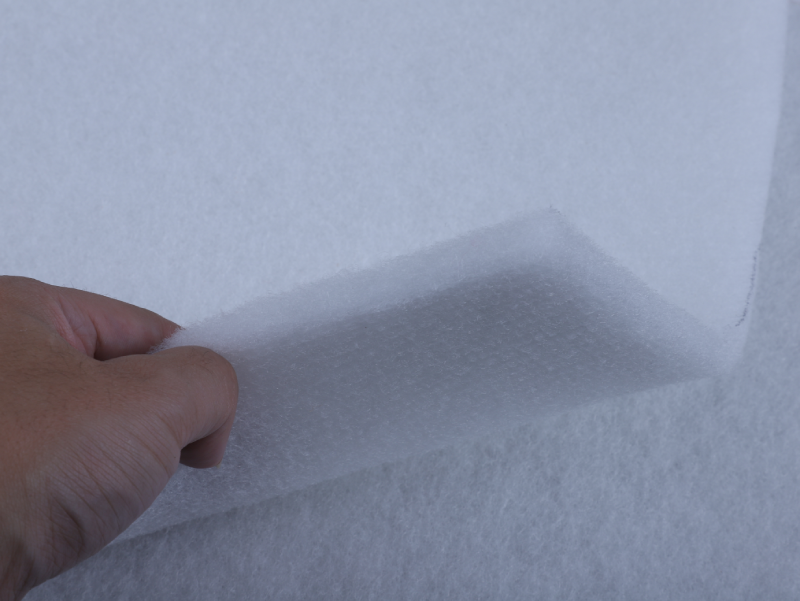
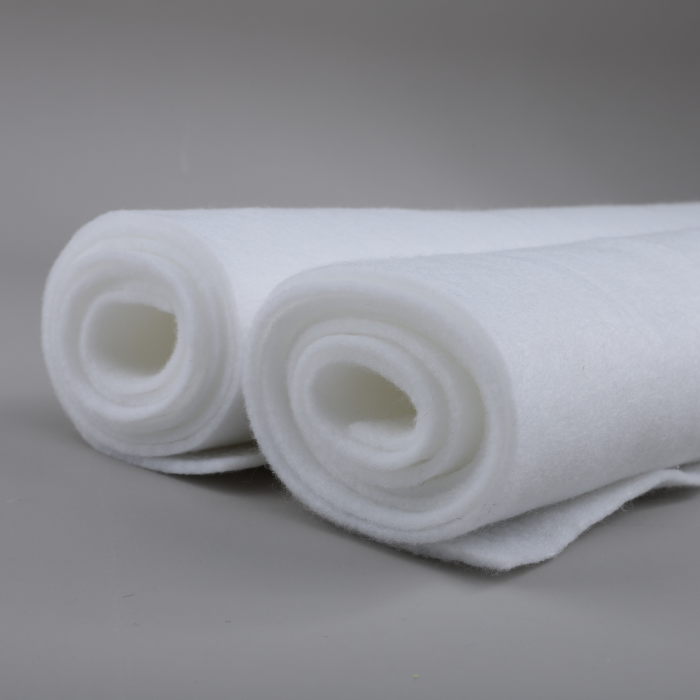
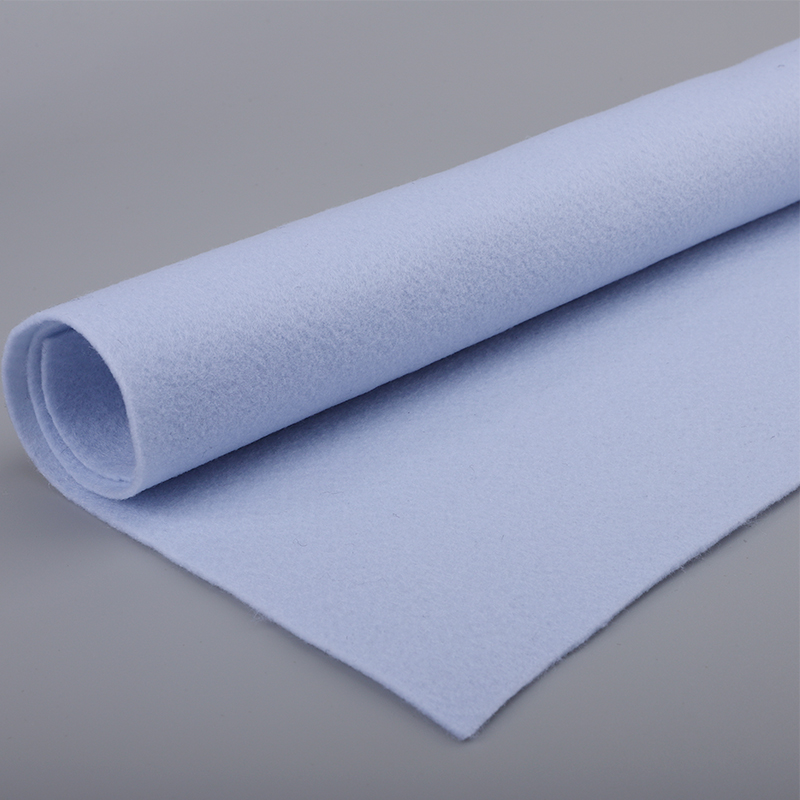
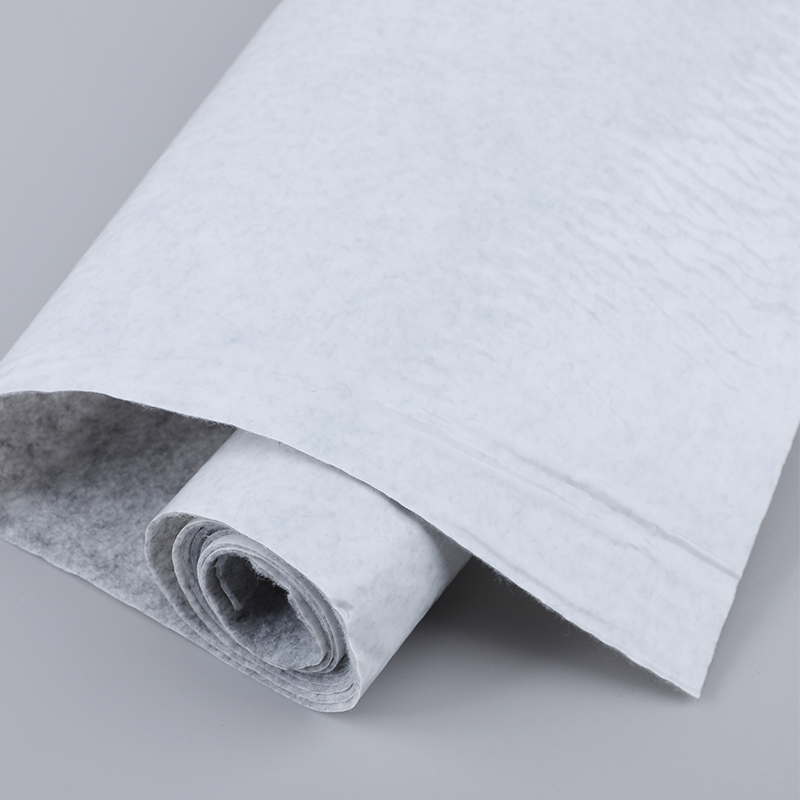
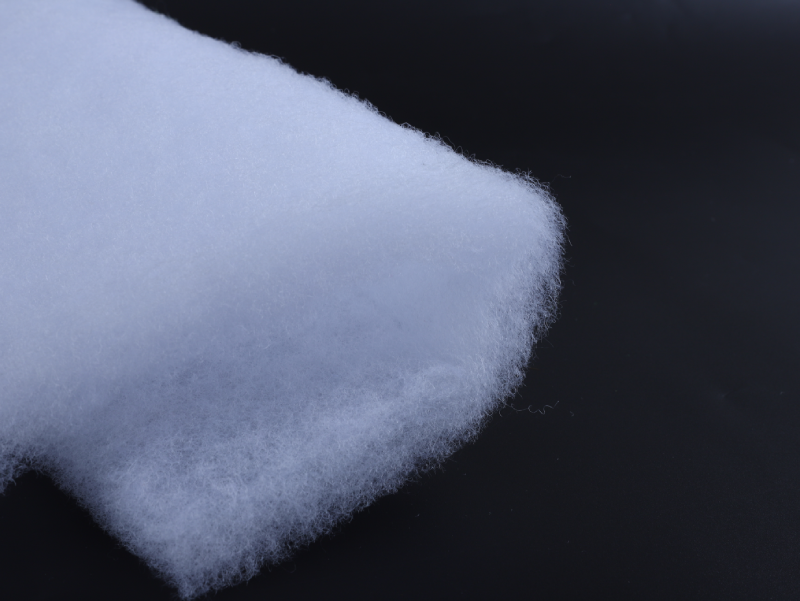
Unlike bulky insulation, anti-condensation felt is a thin, flexible layer that adheres directly to the underside of your metal roof. Its secret? A high-absorption polyester fabric that traps moisture vapor before it turns into liquid droplets—combined with a self-adhesive backing that bonds securely to metal, paint, or aluminum.
For 21+ years, Huizhou Jinhaocheng Nonwovens Co., Ltd. has been perfecting this technology. As the largest needle-punched non-woven fabric factory in Guangdong Province, China, they’ve become the go-to OEM partner for global brands like BYD, Walmart, and IKEA. Their anti-condensation felt isn’t just another “moisture barrier”—it’s engineered to solve real-world problems:

Key Features That Make It Stand Out:

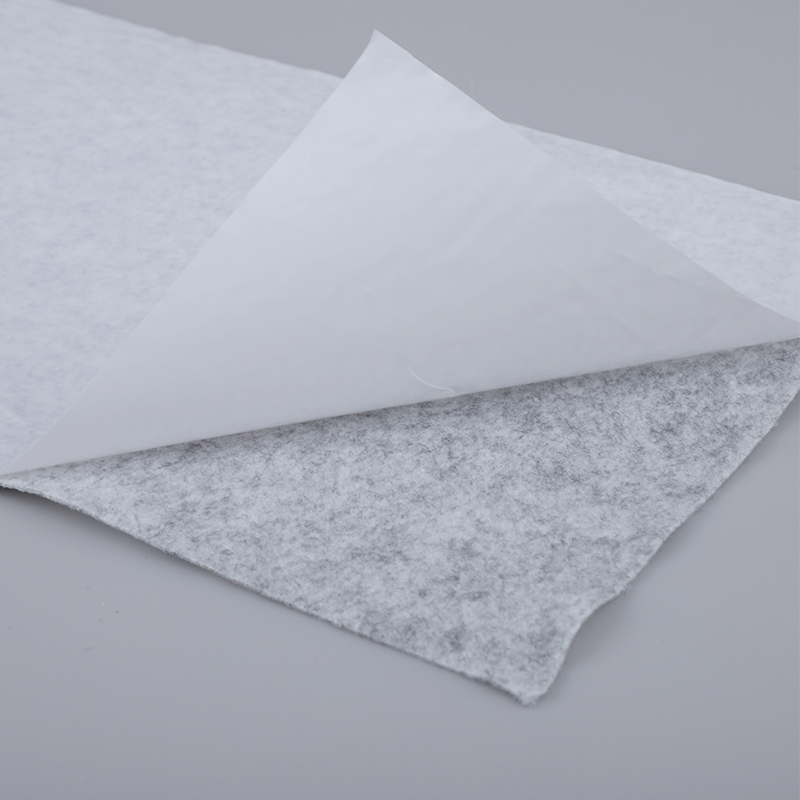
  • Self-Adhesive & Peel-and-Stick: No messy glue required. Simply peel off the backing and press onto clean metal surfaces—ideal for DIYers and pros alike.
  • No Water Droplet Condensation: The felt absorbs up to 300% of its weight in moisture, then releases it slowly as temperatures rise (preventing drips).
  • Temperature Resistant: Works flawlessly from -40°C to +120°C—perfect for extreme climates.
  • Mold-Proof & Odor-Free: Treated to resist mildew growth, with no chemical smells (safe for homes, workshops, or food storage areas).
  • Long-Lasting Adhesion: Stays bonded to steel, aluminum, or painted surfaces for decades—no peeling, no residue when removed.


How to Install Anti-Condensation Felt on Your Metal Roof

Installation is simpler than you think—even for beginners:
  1. Clean the Surface: Wipe down the metal roof with a dry cloth to remove dust, grease, or debris.
  2. Measure & Cut: Roll out the felt and cut it to fit your roof panels (Jinhaocheng offers custom sizes, weights, and colors to match your project).
  3. Peel & Stick: Remove the adhesive backing and press the felt firmly onto the metal. Start from one end and smooth out air bubbles as you go.
  4. Seal Edges: For extra durability, use a heat gun to gently warm the edges (optional—most users skip this step!).

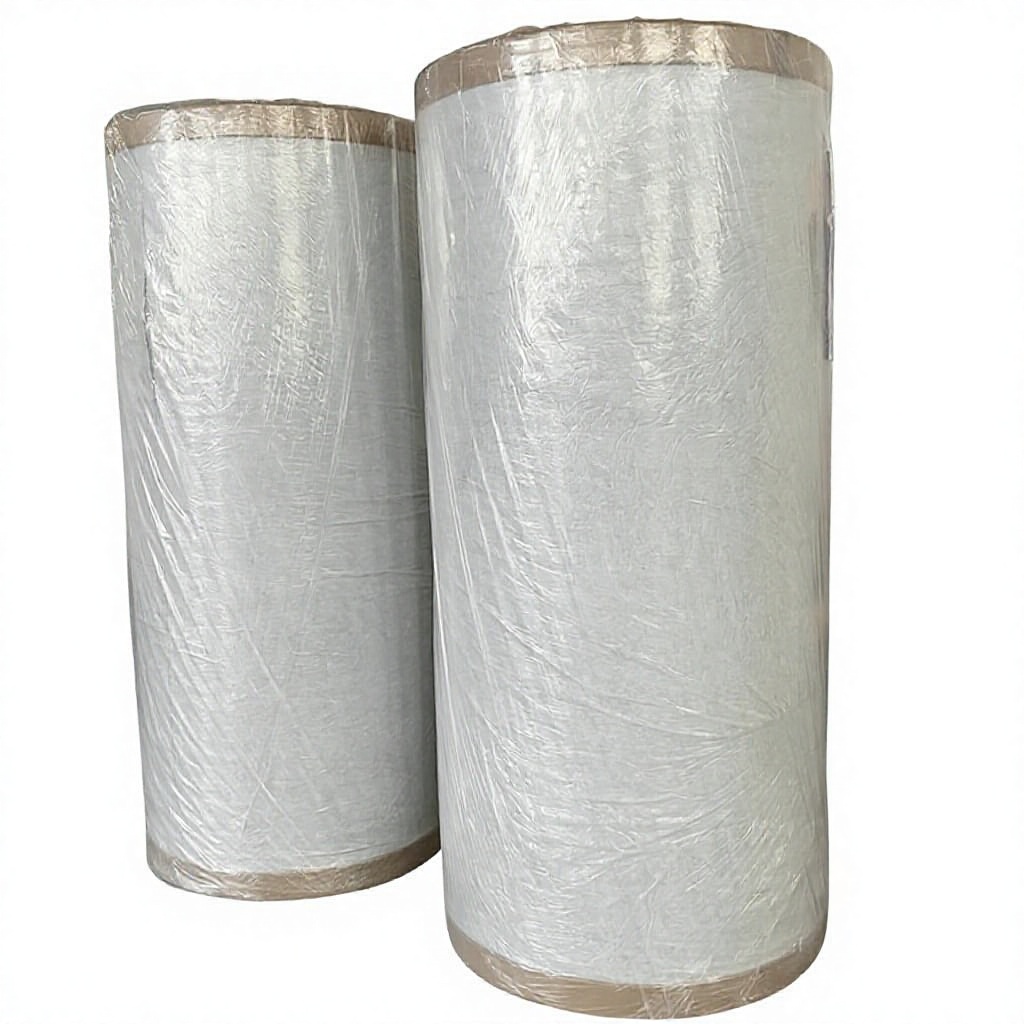
Pro tip: For large projects (e.g., warehouses or commercial roofs), Jinhaocheng’s team can pre-cut rolls to your exact specifications, saving you hours of labor.
离型针刺棉 (13).jpg

Why Choose Jinhaocheng for Your Anti-Condensation Needs?

When it comes to moisture control, quality matters. Here’s why contractors and homeowners trust Jinhaocheng:
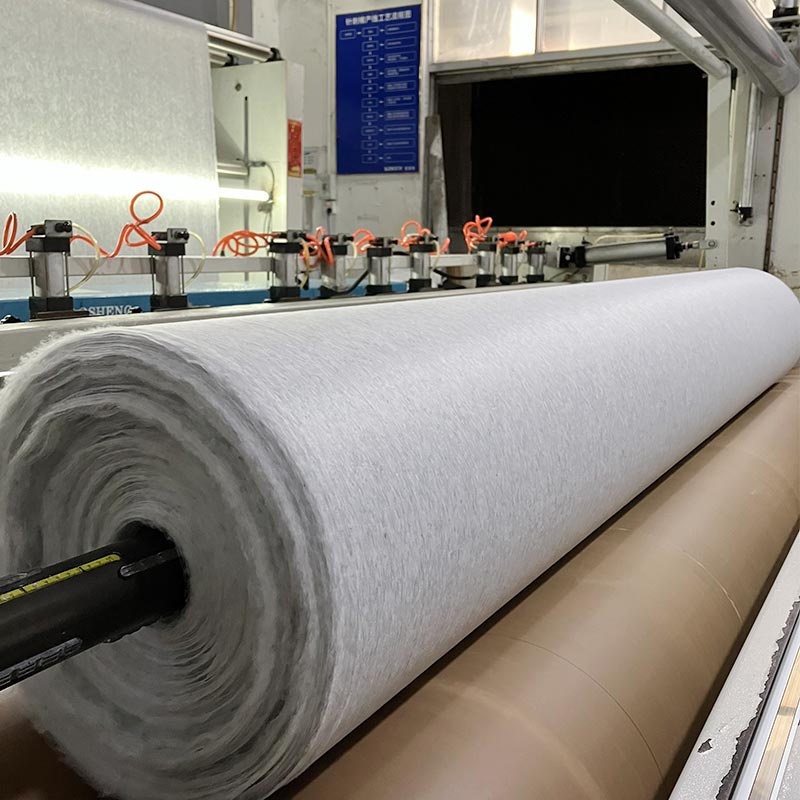
  • 21+ Years of Expertise: Founded in 2005 by Mr. Tong Zuohui (a pioneer in nonwoven R&D), the company started as a small workshop and now operates 15 fully automated production lines, producing 10,000+ tons of nonwoven fabric annually.
  • One-Stop Customization: Need a specific weight, color, or logo? Jinhaocheng handles everything from raw materials to finished products—including free design and free samples.
  • Global Certifications: Their felt meets strict international standards, including OEKO-TEX STANDARD 100 (safe for skin contact), ISO9001 (quality management), UL94 (flame retardant), and REACH/RoHS (eco-friendly).
  • Trusted by Global Brands: From BYD’s automotive interiors to Walmart’s storage solutions, Jinhaocheng’s OEM services are relied upon in 50+ countries.
  • 26,000 ㎡ Factory: As the largest needle-punched nonwoven factory in Guangdong, they control every step of production—ensuring 100% quality consistency.

离型针刺棉生产仓储实拍 (1).jpg

离型针刺棉大卷白底图.png


Real-World Applications: Where Anti-Condensation Felt Shines

Metal roofs aren’t the only place this felt works. Its versatility makes it ideal for:
  • Cold Rooms & Refrigerated Trucks: Prevents frost buildup and protects perishable goods.
  • HVAC Ducts & Air Vents: Stops condensation from damaging ductwork.
  • Outdoor Enclosures: Keeps electrical panels dry and functional.
  • Furniture & Jewelry Storage: Acts as a non-slip, moisture-proof liner for drawers or display cases.

Final Thoughts: Protect Your Metal Roof Today

Condensation on metal roofs doesn’t have to be a recurring nightmare. By combining humidity control, ventilation, and Jinhaocheng’s self-adhesive anti-condensation felt, you’ll eliminate rust, mold, and drips—saving thousands in repair costs over time.
Ready to get started? Contact Huizhou Jinhaocheng Nonwovens Co., Ltd. today for a free sample or custom quote. With 21+ years of experience, global certifications, and a commitment to quality, they’re the partner you can trust to keep your metal roof dry, safe, and long-lasting.
Contact Us:
Huizhou Jinhaocheng Nonwovens Co., Ltd.
Address: Huiyang District, Huizhou City, Guangdong Province, China
Website: https://www.jhcnonwoven.com  | Email: xiao@hzjhc.net |  Phone Number: +86 13528063820

OEM/ODM services available. All products backed by a 100% quality guarantee.


Jinhaocheng Anti-condensation felt product introduction

Huizhou Jinhaocheng Nonwovens Co., Ltd. Company Introduction

Related News
What Are the Key Features of Polyester Acoustic Felt for Soundproofing Projects?
Aug .31.2026
Discover the key features of polyester acoustic felt, including sound absorption, lightweight construction, flame resistance, easy processing, thermal insulatio...
Polyester Acoustic Felt for Easy Disposal: A More Practical Choice for Environme
Aug .31.2026
Discover why polyester acoustic felt is a practical acoustic material for projects that value lightweight construction, easy processing, convenient removal, and...
Can Polyester Acoustic Felt Be Reused? How Reusable Acoustic Materials Support S
Aug .31.2026
Discover how reusable polyester acoustic felt can support sustainable interior projects through sound absorption, lightweight construction, flexible processing,...
Does Thicker Polyester Acoustic Felt Provide Better Sound Absorption? How to Cho
Aug .31.2026
Learn how polyester acoustic felt thickness affects sound absorption and why thicker materials can be beneficial for low-frequency noise in KTVs, cinemas, recor...
Leave a message