Is Thermal Bonded Wadding Eco-Friendly? Understanding Chemical-Free Nonwoven Production
With increasing environmental requirements in global markets, buyers are paying more attention to the safety, sustainability, and production process of filling materials. Traditional filling products may use chemical adhesives during manufacturing, which can cause concerns about odor, chemical residue, and environmental compliance.
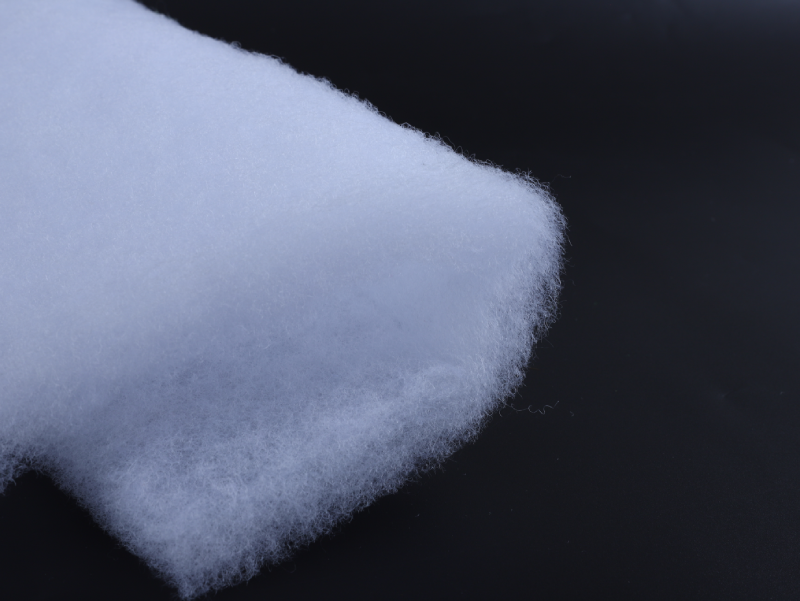
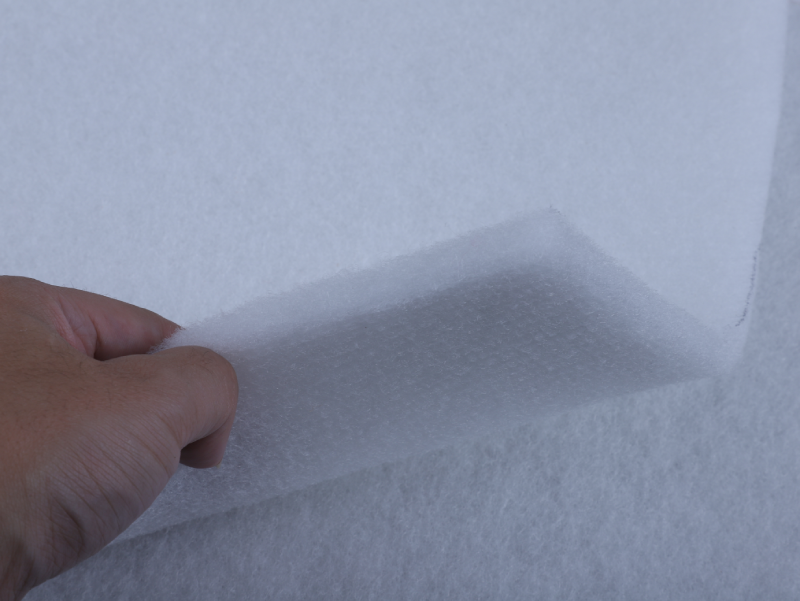
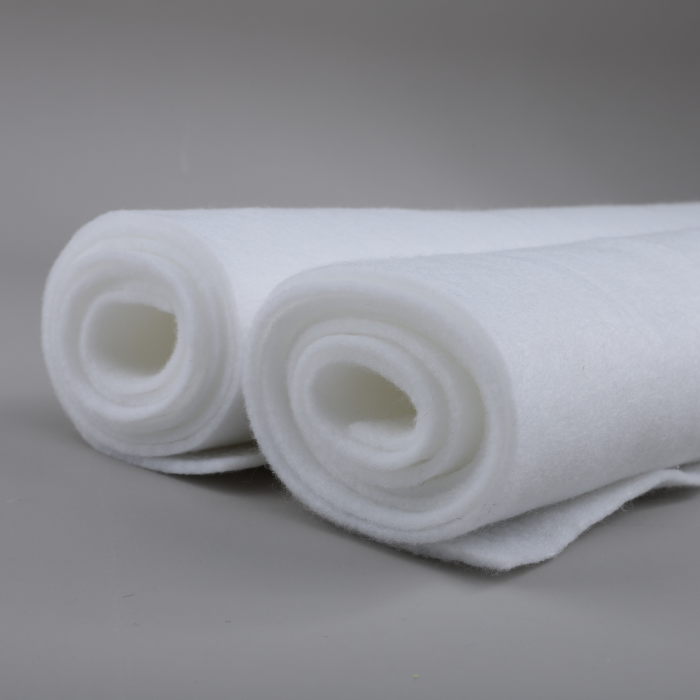
As an alternative solution, thermal bonded wadding has become a preferred choice for many industries because of its clean production process, stable performance, and wide application range.
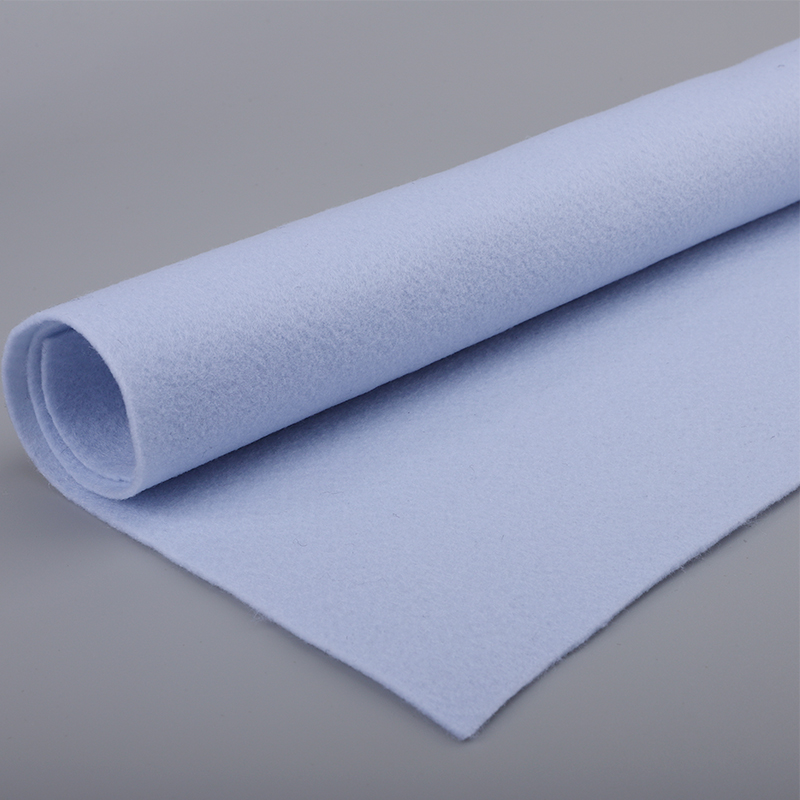
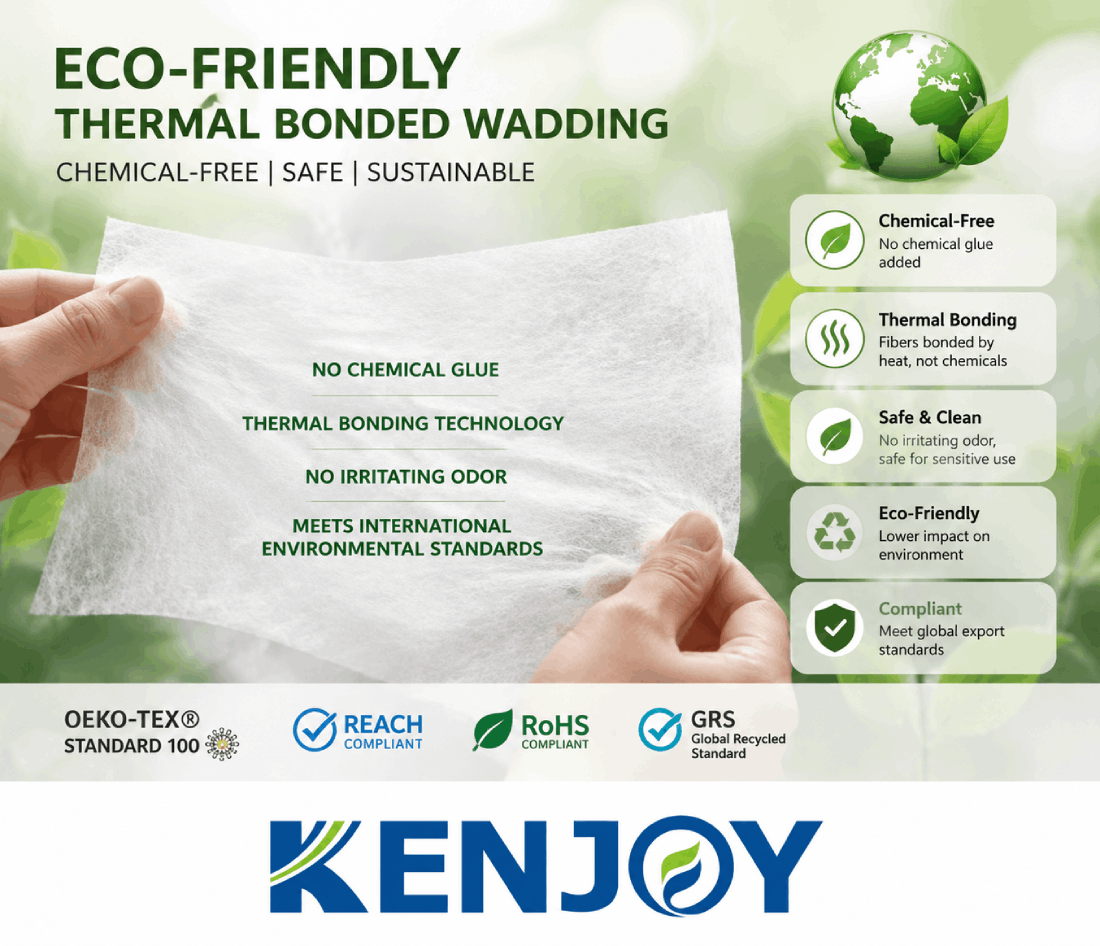
Unlike traditional glue-bonded filling materials, modern thermal bonded nonwoven technology uses heat activation to bond polyester fibers together without adding chemical adhesives. This manufacturing method creates a lightweight, breathable, and environmentally friendly filling material suitable for home textiles, apparel, automotive interiors, medical products, and other applications.
Kenjoy is a professional thermal bonded wadding manufacturer in China, specializing in high-quality nonwoven filling materials and customized solutions for global customers.
What Makes Thermal Bonded Wadding an Eco-Friendly Filling Material?
The biggest difference between thermal bonded wadding and traditional adhesive-bonded materials is the bonding method.
During the production of thermal bonded wadding, special polyester fibers with low melting points are mixed with regular fibers. Under controlled heating conditions, the low melting fibers soften and create bonding points between fibers. After cooling, the material forms a stable structure without the need for chemical glue.
This process is known as thermal bonding technology and is widely used in producing hot air through nonwoven fabric and high-performance polyester filling materials.
Because no additional adhesive chemicals are introduced during production, the final product offers advantages such as:
Cleaner material structure
Lower risk of chemical residue
No obvious irritating smell
Better suitability for environmentally sensitive applications
More flexibility for international compliance requirements
For brands and importers focusing on sustainable materials, choosing a reliable sustainable nonwoven supplier has become an important part of supply chain management.
Thermal Bonded Wadding vs Traditional Glue Bonded Filling Materials
Many buyers still use the term “spray-bonded cotton” or “glue cotton” when searching for filling materials. However, this traditional production method relies on chemical adhesive to connect fibers.
With stricter environmental regulations worldwide, adhesive-based filling materials face more challenges in odor control, chemical testing, and export requirements.
Compared with traditional glue-bonded materials, thermal bonded wadding provides a more advanced solution.
Bonding Method
Thermal bonded wadding uses thermal fusion bonding of fibers, while traditional filling materials rely on chemical glue adhesion.
Environmental Performance
Eco friendly thermal bonded wadding does not require additional chemical binders during production, making it a cleaner and more sustainable option.
Traditional glue-bonded products may contain adhesive components that require additional testing for specific applications.
Odor Performance
Because no chemical adhesive is added, polyester thermal bonded wadding generally has a cleaner odor profile and is suitable for products where comfort and safety are important.
Application Range
Thermal bonded wadding is widely used in:
Home textiles
Quilts and bedding
Garment insulation
Automotive interiors
Medical and hygiene products
Sound insulation materials
Protective padding
Export Adaptability
As global markets increase environmental standards, manufacturers increasingly choose chemical free nonwoven materials to meet customer expectations and certification requirements.
Why Choose Chemical-Free Nonwoven Production?
For international buyers, material safety is not only related to product quality but also affects market acceptance.
A professional thermal bonded nonwoven manufacturer should provide stable production control, consistent quality, and compliance support.
Kenjoy uses advanced nonwoven production technology to manufacture thermal bonded nonwoven fabric with controlled fiber distribution, uniform thickness, and reliable performance.
Our production advantages include:
Over 20 years of nonwoven manufacturing experience
26,000㎡ production facility in Guangdong, China
15 automated needle punched and nonwoven production lines
Large-scale annual production capacity
OEM and ODM customization capabilities
Professional quality management system
Through continuous improvement in technology and production management, Kenjoy provides customers with reliable thermal bonded wadding factory solutions for different industries.
Certifications Supporting Our Sustainable Nonwoven Solutions
To meet international market requirements, Kenjoy products have passed multiple certifications and testing standards.
Our certifications and compliance include:
OEKO-TEX STANDARD 100
REACH
RoHS
GRS
ISO9001
ISO14001
ISO45001
ISO13485
IATF16949
BSCI
UL94
Product inspection reports include:
Flame retardant performance
Sound insulation performance
Breathability testing
EN13130 food-grade related testing
Degradable material testing
These certifications help global customers confidently choose a reliable thermal bonded wadding supplier for different applications.
Applications of Thermal Bonded Wadding
Due to its lightweight structure, softness, breathability, and environmental advantages, thermal bonded polyester wadding is widely used across multiple industries.
Home Textile Industry
Used for quilts, mattresses, cushions, and bedding products requiring softness and warmth.
Garment Industry
Provides lightweight insulation and comfort layers for jackets, coats, and functional clothing.
Automotive Industry
Used in car interiors, seat padding, sound absorption materials, and thermal insulation components.
Medical Industry
Suitable for applications requiring clean, breathable, and safe nonwoven materials.
Industrial Applications
Used in filtration, insulation, packaging, and protective materials.
Customized Thermal Bonded Wadding Solutions for Global Buyers
Different applications require different material specifications, including thickness, weight, softness, density, and functional performance.
As an experienced custom thermal bonded wadding supplier, Kenjoy provides flexible customization services according to customer requirements.
Available options include:
Different GSM weights
Customized thickness
High loft structure
Soft or firm hand feel
Flame retardant treatment
Recycled fiber options
OEM and ODM production
For companies looking for stable supply and professional technical support, choosing an experienced OEM thermal bonded wadding partner can reduce development costs and improve product competitiveness.
Why Global Customers Choose Kenjoy Thermal Bonded Wadding
Kenjoy focuses on developing high-quality nonwoven materials with environmental responsibility and manufacturing reliability.
As a professional thermal bonded wadding manufacturer and thermal bonded nonwoven manufacturer in China, we combine advanced production technology, strict quality control, and customized service to support customers worldwide.
From raw fiber selection to finished product inspection, every production stage is carefully controlled to ensure consistent quality.
Whether you need standard filling materials or customized solutions, Kenjoy provides reliable thermal bonded wadding supplier services for global industries.
Conclusion
With growing demand for sustainable materials, thermal bonded wadding has become an important alternative to traditional adhesive-based filling materials.
Through chemical-free thermal bonding technology, this material provides a cleaner, safer, and more environmentally friendly solution for modern manufacturing.
For customers searching for a reliable thermal bonded wadding manufacturer, Kenjoy offers professional production capabilities, international certifications, and customized nonwoven solutions to support long-term business development.