Why Is Lightweight Acoustic Felt Becoming More Important? Eco-Friendly Polyester Acoustic Material
In residential construction, commercial interiors, KTV rooms, studios, offices, cinemas, and other acoustic environments, sound-absorbing materials play an important role in controlling unwanted noise and improving indoor acoustic comfort. As green building and sustainable interior design continue to develop, buyers are no longer concerned only with whether an acoustic material can absorb sound. They are also paying closer attention to material weight, environmental performance, installation efficiency, transportation costs, durability, and overall project cost.
Traditional acoustic materials may create practical challenges when used in large-scale projects, especially when they are heavy and difficult to transport, handle, cut, or install. This becomes particularly important for wall filling, ceiling applications, and large commercial acoustic projects.
As a result, lightweight eco-friendly acoustic felt is becoming an increasingly attractive option for building and interior acoustic applications.
For acoustic material distributors, construction companies, interior decoration businesses, soundproofing contractors, and material importers, one important question remains: Does a lighter acoustic material provide lower sound absorption performance? How can buyers balance weight, thickness, density, and acoustic performance?
As an experienced nonwoven manufacturer China, Jinhaocheng focuses on the development and production of nonwoven materials. We can provide polyester acoustic felt with different GSM, thickness, density, and functional specifications, while supporting OEM, ODM, and custom nonwoven products for different applications.
What Is Lightweight Eco-Friendly Acoustic Felt?
Lightweight acoustic felt does not simply mean reducing the weight of the material. A well-designed lightweight acoustic material aims to maintain the required acoustic and structural performance while optimizing fiber structure, thickness, GSM, and density.
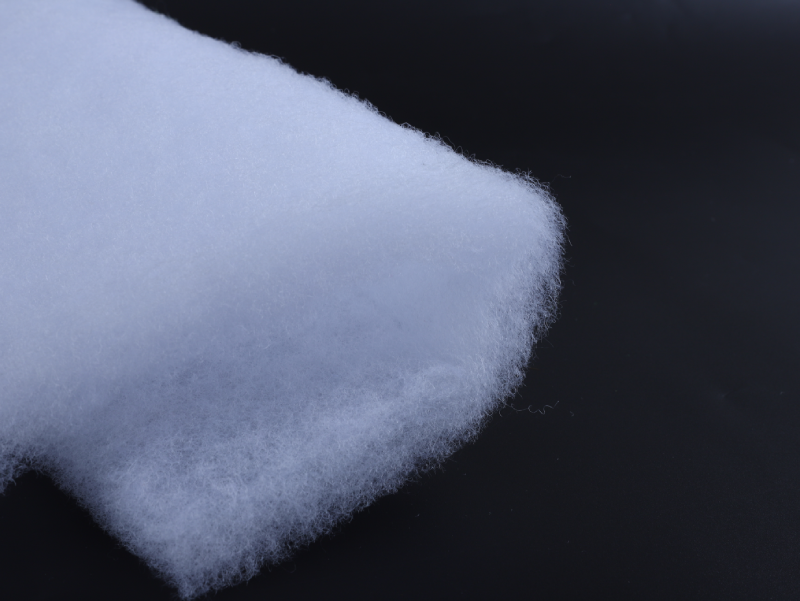
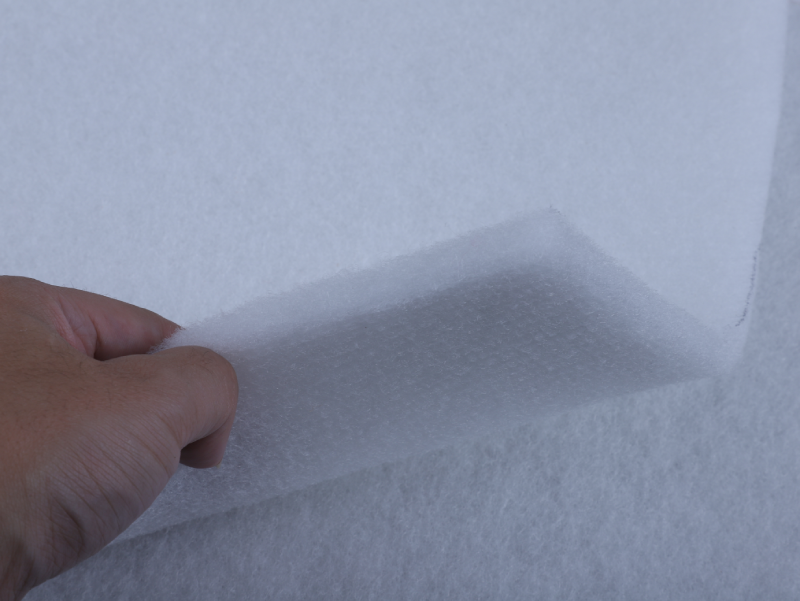
High-density polyester acoustic felt, for example, uses a porous fiber structure to help absorb and reduce sound energy.
When sound waves enter the material, they travel through the spaces between the fibers. Friction and repeated interactions within the fiber network convert part of the acoustic energy into heat, reducing sound reflection and transmission within the space.
Therefore, acoustic performance is not determined by material weight alone. It is also influenced by fiber structure, thickness, density, porosity, and installation method.
This means that a properly engineered lightweight acoustic felt can meet the requirements of many interior and architectural acoustic applications without simply adding unnecessary material weight.
Why Does Acoustic Material Need to Become Lightweight?
For large renovation and construction projects, material weight can have a significant impact on transportation, storage, handling, and installation.
When acoustic materials are heavy, large quantities of products delivered to a construction site require more labor for transportation and installation. This can become especially important for high-rise buildings, ceiling systems, and large commercial spaces.
A properly engineered lightweight acoustic felt is easier to handle, cut, position, and install, which can improve work efficiency during construction.
For companies purchasing acoustic materials in large quantities, lightweight products may also provide advantages in transportation and warehouse management.
Therefore, buyers should not compare acoustic materials only by price per kilogram. A more practical evaluation should consider cost per square meter, transportation costs, installation efficiency, and actual acoustic performance.
Does Lightweight Acoustic Felt Have Lower Sound Absorption Performance?
This is one of the most common questions when buyers evaluate lightweight acoustic materials.
In reality, material weight is not the only factor determining acoustic performance.
Two materials with similar weight can have different acoustic characteristics because of differences in fiber structure, thickness, density, and internal porosity.
For architectural acoustic applications, the material needs to provide sufficient internal space for sound waves to enter and interact with the fiber structure.
Therefore, product development should consider GSM, thickness, density, fiber arrangement, and porosity as a complete system.
If a manufacturer simply reduces the GSM while significantly reducing thickness and internal structure, the final acoustic performance may be affected.
A better lightweight design approach is to find the right balance between material weight and sound absorption performance according to the requirements of the specific application.
Why Is Polyester Acoustic Felt Suitable for Eco-Friendly Interior Projects?
There are many types of acoustic materials available on the market, but polyester acoustic felt has attracted attention in interior applications because polyester fibers can be engineered into lightweight and functional nonwoven structures.
Through appropriate fiber selection and nonwoven manufacturing processes, polyester fibers can form acoustic materials with controlled thickness, density, and internal porosity.
For residential, commercial, and architectural acoustic projects, buyers need to consider more than sound absorption. They may also evaluate raw materials, manufacturing processes, odor, environmental requirements, and relevant product certifications.
When selecting an acoustic material supplier, it is therefore important to understand how the manufacturer manages raw materials, production processes, quality control, and product consistency.
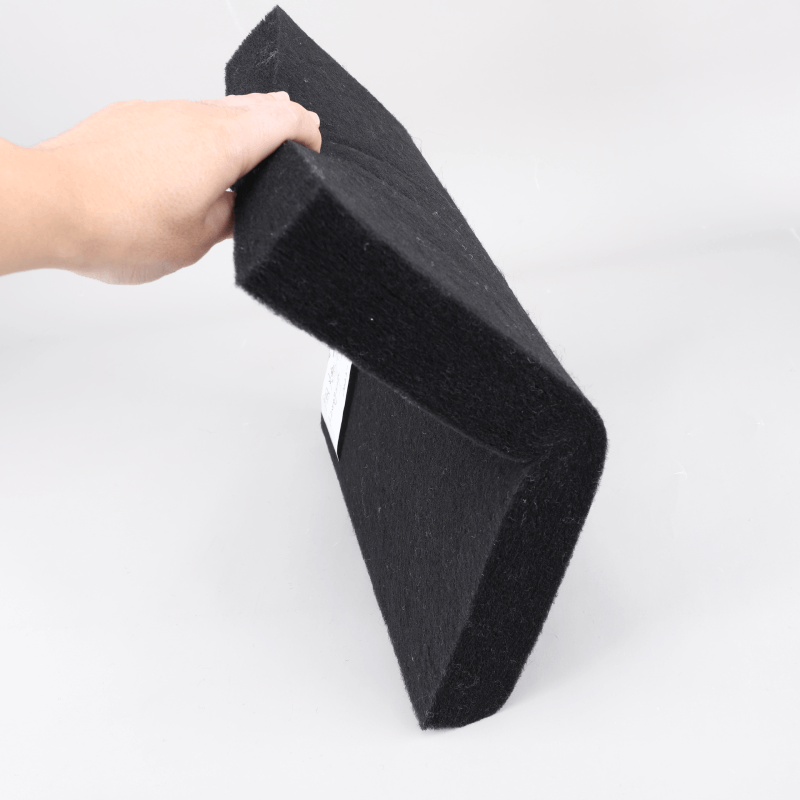
Where Can Lightweight Eco-Friendly Acoustic Felt Be Used?
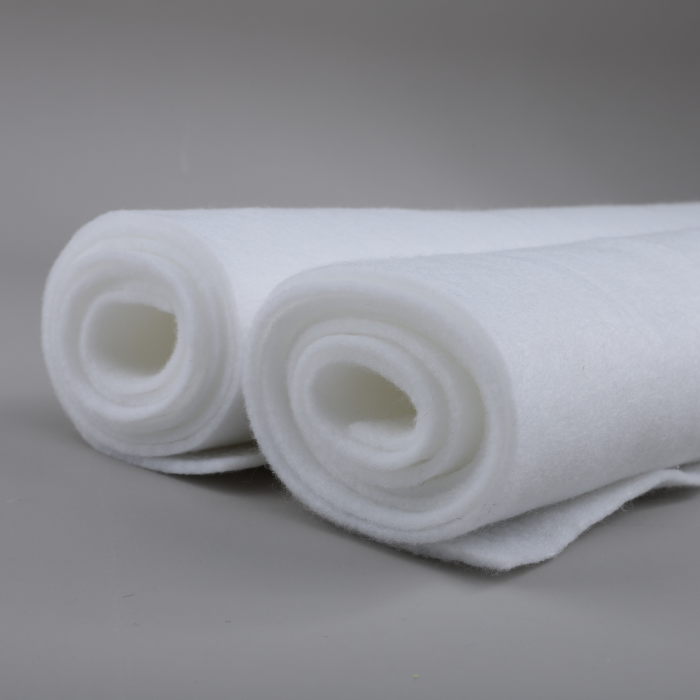
Lightweight polyester acoustic felt offers good processing flexibility and can be cut, installed, or combined with other acoustic materials according to project requirements.
Residential Wall Acoustic Treatment
During residential renovation, acoustic materials may be installed inside wall structures to help improve the indoor acoustic environment.
Lightweight acoustic felt is easy to cut and install according to wall dimensions and can be used for certain wall-filling and acoustic treatment applications.
For residential projects, the lower material weight can also make transportation and installation more convenient.
KTV and Entertainment Space Acoustic Treatment
KTV rooms, music venues, and entertainment spaces often require greater attention to acoustic control.
Acoustic materials may be installed on walls, ceilings, and other structures to reduce sound reflection and control reverberation.
High-density polyester acoustic felt can be manufactured in different thicknesses and densities according to the application and can be combined with other acoustic materials to create a more comprehensive acoustic system.
It is important to understand that acoustic felt alone cannot solve every soundproofing problem. High-noise environments such as KTV rooms generally require a combination of wall structures, sound insulation layers, doors, windows, and other architectural acoustic measures.
Ceiling Acoustic Applications
Ceilings are another common area for acoustic treatment in commercial buildings and public spaces.
Offices, conference rooms, commercial interiors, entertainment venues, and other spaces may use ceiling-based acoustic materials to improve the indoor sound environment.
Compared with heavier materials, lightweight acoustic felt can be easier to transport and install, especially when working with large ceiling areas.
For large projects, lightweight construction, easy processing, and stable supply are therefore important purchasing considerations.
Recording Studios and Music Spaces
Recording studios, broadcasting rooms, and music spaces have specific acoustic requirements.
Acoustic materials can help control reflected sound and reverberation, but the final material selection should be based on room dimensions, target frequency ranges, installation positions, and the overall acoustic design.
For professional acoustic projects, buyers may require different thicknesses, densities, dimensions, and material specifications for testing and project validation.
This is where custom nonwoven products can provide additional value for acoustic material buyers.
What Purchasing Advantages Can Lightweight Acoustic Felt Provide?
For end users, lightweight acoustic felt may mainly provide easier handling and installation. For companies purchasing materials in bulk, however, lightweight design can affect the entire supply chain.
The first consideration is transportation efficiency.
For large construction projects, the quantity of acoustic material can be substantial. Optimizing the weight per square meter can help companies manage transportation and warehouse requirements more efficiently.
The second consideration is installation efficiency.
Lighter materials can be easier for workers to carry, cut, position, and install, especially for ceiling systems, high-rise buildings, and large wall areas.
The third consideration is processing flexibility.
Nonwoven acoustic materials can be customized and cut according to project requirements, helping reduce unnecessary secondary processing at the construction site.
For this reason, professional buyers should evaluate the total cost of the material, transportation, installation, and expected performance, rather than looking only at the initial unit price.
How Should Buyers Select the Right GSM and Thickness for Acoustic Felt?
Different applications require different acoustic material specifications, so there is no single GSM that is suitable for every project.
For wall filling, buyers need to consider the wall structure, available installation space, and target acoustic performance when selecting thickness and density.
For ceiling applications, both material weight and acoustic requirements need to be considered together with the supporting structure.
For KTV rooms, recording studios, and other professional acoustic environments, buyers may also need to consider target frequency ranges and the overall acoustic design.
A practical approach is to provide the manufacturer with information such as application, installation method, required thickness, dimensions, estimated order quantity, and acoustic requirements.
An experienced manufacturer can then recommend a suitable material specification for testing.
For long-term projects, consistent GSM, thickness, density, and product structure are also important because significant differences between production batches may affect processing and final project performance.
Why Work With a Professional Nonwoven Manufacturer for Acoustic Felt?
Although acoustic felt may appear to be a relatively simple material, its final performance is closely related to raw material selection, fiber structure, manufacturing processes, and specification control.
For long-term buyers, stable manufacturing capability can be more valuable than simply finding the lowest quotation.
Jinhaocheng is an experienced needle punched nonwoven felt manufacturer and nonwoven manufacturer China, with approximately 26,000 square meters of production facilities, 15 automated needle punching production lines, and an annual production capacity of more than 10,000 tons.
We focus on the development and manufacturing of nonwoven materials and can customize GSM, thickness, width, density, and functional properties according to customer requirements.
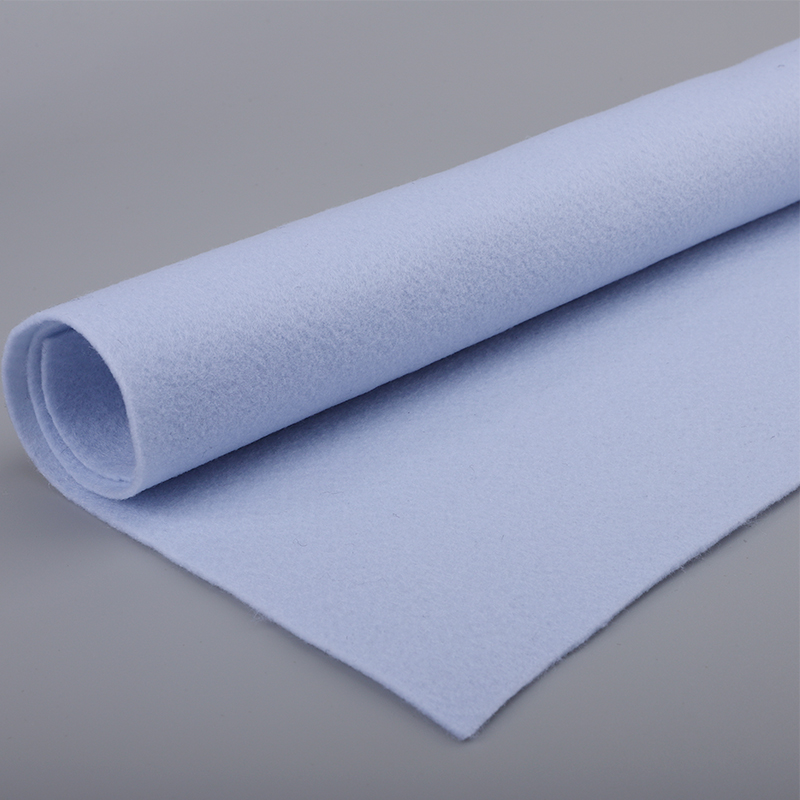
In addition to acoustic materials, our product range includes needle punched felt, floor protection felt, painter felt, anti-condensation felt, thermal bonded wadding, and laminated foam fabric.
For distributors, engineering companies, importers, and brands requiring long-term supply, we also support OEM nonwoven manufacturer, ODM nonwoven manufacturer, and custom nonwoven products solutions.
From sample development to mass production, stable manufacturing capabilities help customers achieve better product consistency and supply reliability.
Why Will Lightweight Design Become an Important Direction for Eco-Friendly Acoustic Materials?
As green buildings, sustainable interiors, and environmentally responsible construction continue to develop, acoustic materials will increasingly be evaluated from multiple perspectives.
Future acoustic materials will need to consider not only sound absorption but also environmental performance, weight, durability, installation convenience, and total lifecycle cost.
Lightweight design does not mean simply pursuing the lowest possible GSM. Instead, it means optimizing fiber structure and material design so that the required acoustic performance can be achieved with an efficient amount of material.
For manufacturers, this creates opportunities to improve fiber combinations, web structures, density control, and production processes.
For buyers, it means moving beyond simple price comparisons and evaluating suppliers based on performance, consistency, customization capability, manufacturing capacity, and long-term supply reliability.
Conclusion: Lightweight Design Is an Important Trend in Eco-Friendly Acoustic Felt
Eco-friendly acoustic felt is developing toward lightweight, sustainable, functional, and customized solutions.
With appropriate structural design, lightweight polyester acoustic felt can provide the required acoustic performance for specific applications while reducing unnecessary material weight and improving transportation, storage, and installation efficiency.
For residential interiors, KTV rooms, conference rooms, commercial spaces, recording studios, and other acoustic projects, the best acoustic material is not necessarily the heaviest one. The right choice should be based on thickness, density, fiber structure, installation method, and actual acoustic requirements.
If you are looking for a reliable nonwoven manufacturer China, needle punched nonwoven manufacturer, or custom nonwoven manufacturer, or require customized polyester acoustic materials for a specific project, Jinhaocheng can provide nonwoven material solutions based on your product and engineering requirements.