What Should Buyers Confirm When Sourcing Filter Media for Industrial Dust Masks?
For overseas manufacturers, importers, wholesalers, and industrial safety brands sourcing industrial dust mask filter media from China, the biggest challenge is often not finding a supplier that offers meltblown nonwoven, but determining whether the material is truly suitable for the finished dust mask.
Many RFQs begin with a simple request:
"We need air filter cotton for dust masks."
However, for professional B2B purchasing, that information is rarely enough. Different filter media may vary in fiber structure, GSM, thickness, width, electrostatic treatment, and production consistency, all of which can influence manufacturing performance and the quality of the final product.
Before sampling or placing a bulk order, buyers should first confirm the material structure, available performance documentation, specification stability, and the supplier's ability to produce the same material consistently over time.
What Should the Filter Layer Do in an Industrial Dust Mask?
The filter layer is not simply an ordinary nonwoven fabric. It is a functional component that works together with the complete mask structure to achieve both particle filtration and acceptable airflow.
Before discussing material specifications, buyers should clearly define the role of the filter layer in the finished product.
Is the mask designed for general industrial dust protection or higher-performance particulate filtration? Where is the filter layer positioned within the mask structure? Has the overall product design already been finalized?
These answers help the supplier recommend a more suitable filter material.
Instead of asking only:
"Do you have air filter cotton?"
A more effective inquiry is to explain the final application, the function of the filter layer, the required performance, and the intended product structure.
What Material Information Should Buyers Request from the Supplier?
After confirming the product application, buyers should verify the basic specifications of the filter material.
Material Type
The first step is identifying the exact filter material.
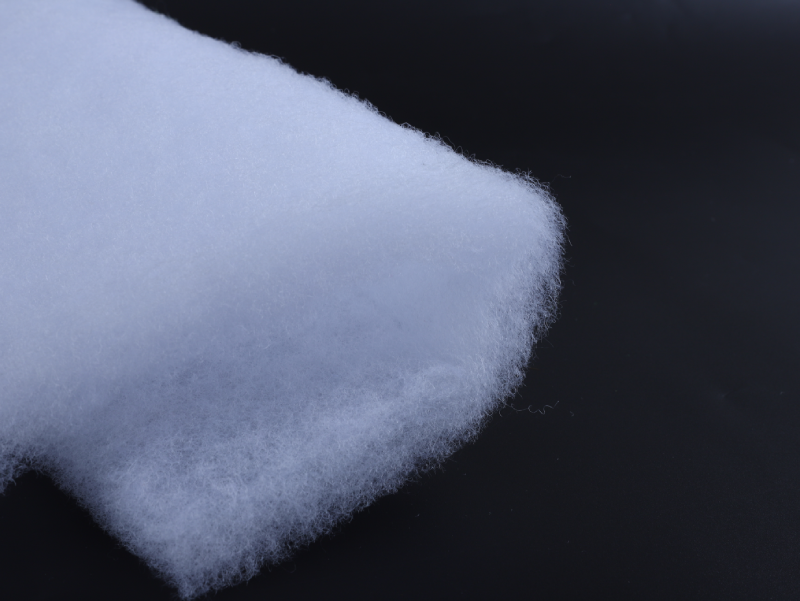
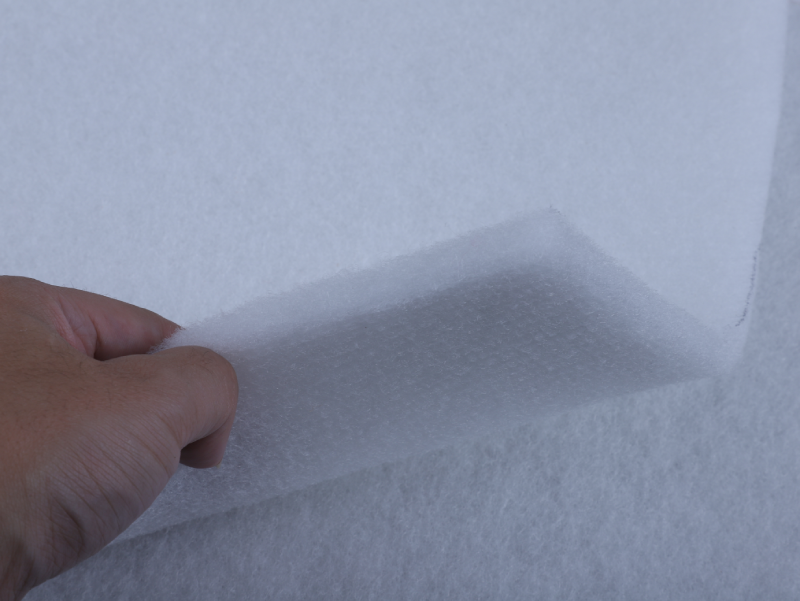
For many industrial dust masks, meltblown nonwoven is an important filtration layer because its fine fiber network helps capture airborne particles while allowing air to pass through.
However, buyers should not assume that every meltblown material performs the same. Raw materials, fiber structure, manufacturing processes, and post-treatment methods may differ between suppliers.
Material type is therefore only the starting point of supplier evaluation.
GSM and Thickness
Buyers should also confirm the GSM and thickness of the filter media.
These specifications influence the physical structure of the material as well as its processing behavior during production.
A higher GSM does not automatically mean better filtration performance. The appropriate specification should always match the finished mask structure rather than simply selecting the highest available weight.
Width and Roll Format
For mask manufacturers producing in volume, roll dimensions are equally important.
If the material width does not match existing production equipment, additional slitting or conversion may increase manufacturing costs.
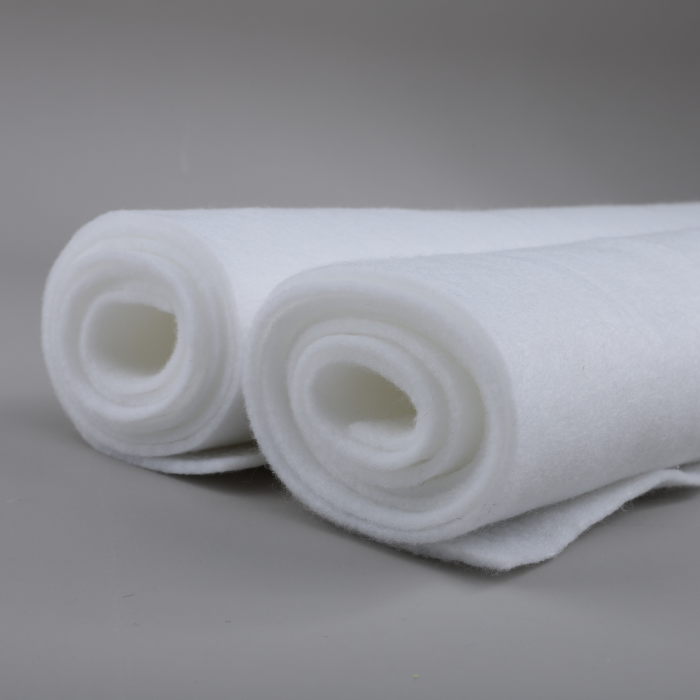
Before ordering, buyers should confirm the material width, roll length, roll weight, and the supplier's standard roll format.
These details help determine whether the material can be integrated directly into the current production process.
Electrostatic Treatment
For meltblown filter media requiring high particle filtration performance, buyers should confirm whether the material has received electrostatic treatment and what performance documentation is available.
A supplier's description alone is not sufficient. The performance data should correspond to the exact material specification being quoted and sampled.

How Should Buyers Evaluate Filtration Performance and Breathability?
One of the most common purchasing mistakes is focusing only on filtration efficiency.
A filter material must also provide appropriate air permeability so the finished dust mask can achieve the intended balance between protection and breathing comfort.
Before sampling, buyers should request performance information that matches the target product instead of judging the material only by GSM, thickness, or visual appearance.
When comparing similar white meltblown materials from different suppliers, appearance alone rarely reflects actual filtration performance.
A better purchasing approach is to confirm the material specification, the corresponding performance data, the testing conditions behind those results, and whether the sampled material will be identical to future bulk production.
Why Is Production Consistency Important for Dust Mask Manufacturers?
A successful sample does not guarantee consistent large-scale production.
If different production batches vary in GSM, thickness, fiber distribution, or filtration performance, the manufacturing process and the finished product may also become inconsistent.
For long-term purchasing projects, buyers should evaluate the supplier's production consistency before placing bulk orders.
Important questions include whether GSM remains stable, whether thickness is consistent, whether roll-to-roll variation is controlled, whether repeat orders maintain the same specification, and whether the supplier has reliable continuous production capability.
For industrial safety products, consistency is often more valuable than achieving the lowest purchase price.
What Should Be Confirmed Before Sampling or Bulk Production?
Before requesting samples, buyers should prepare several key project details for the supplier.
The first is the final application, whether it is an industrial dust mask or another respiratory protection product.
The second is the function of the filter layer within the complete mask structure.
The third is the target material, including whether meltblown nonwoven or another filter media is required.
The fourth is the material specification, including GSM, thickness, width, and roll format.
The fifth is the performance requirement, including any filtration documentation or testing expectations.
The final point is the production requirement, such as compatibility with cutting, folding, laminating, or automated mask manufacturing equipment.
The clearer these requirements are, the easier it becomes to compare quotations, evaluate samples, and select a suitable supplier.
How Does Jinhaocheng Support Industrial Dust Mask Filter Media Production?
HuiZhou JinHaoCheng Nonwoven Co., Ltd. has more than 20 years of experience in nonwoven manufacturing and supplies meltblown nonwoven and other filtration materials for industrial applications.
For industrial dust mask projects, Jinhaocheng supports customized material specifications including GSM, thickness, width, and roll format according to the customer's product requirements.
With automated production lines and bulk manufacturing capability, the company can support overseas manufacturers, importers, and industrial safety brands from sample development through stable large-volume production.
The focus is not simply supplying a standard material, but producing filter media that matches the customer's finished product requirements consistently.
Conclusion
When sourcing industrial dust mask filter media, the most important step is not finding the lowest-priced air filter cotton supplier.
A better procurement process begins by confirming the final product, the function of the filter layer, the material type, the specification, the performance documentation, production consistency, and sample verification before bulk production.
For industrial dust masks using meltblown nonwoven, verifying material specifications and long-term production consistency is essential to building a reliable supply chain.