What Are the Applications of Needle Punched Wool Felt? From Home Décor to Everyday Products
Wool has been used in textiles and household products for generations because of its soft touch, warmth and natural fiber characteristics. With the development of nonwoven manufacturing technology, needle punched wool felt has expanded far beyond traditional handicrafts and is now used in a wider range of home, lifestyle and consumer products.
For homeware manufacturers, lifestyle brands, craft product companies and material distributors, wool felt offers a combination of softness, warmth, cushioning, sound absorption, durability and processing flexibility. It can be cut, punched, sewn, laminated or converted into different shapes according to the requirements of the finished product.
It is also important to understand that industrially produced wool needle felt does not always contain 100% wool. Because coarse wool fibers can be challenging to card and form into a stable web, manufacturers may combine wool with polyester, viscose, bamboo fiber or other fibers to improve web formation, strength, dimensional stability and processing performance.
As an experienced needle punched felt manufacturer and custom nonwoven manufacturer, Jinhaocheng can develop wool and wool-blend needle felt according to different product requirements.
What Is Needle Punched Wool Felt and Why Is It Suitable for Everyday Products?
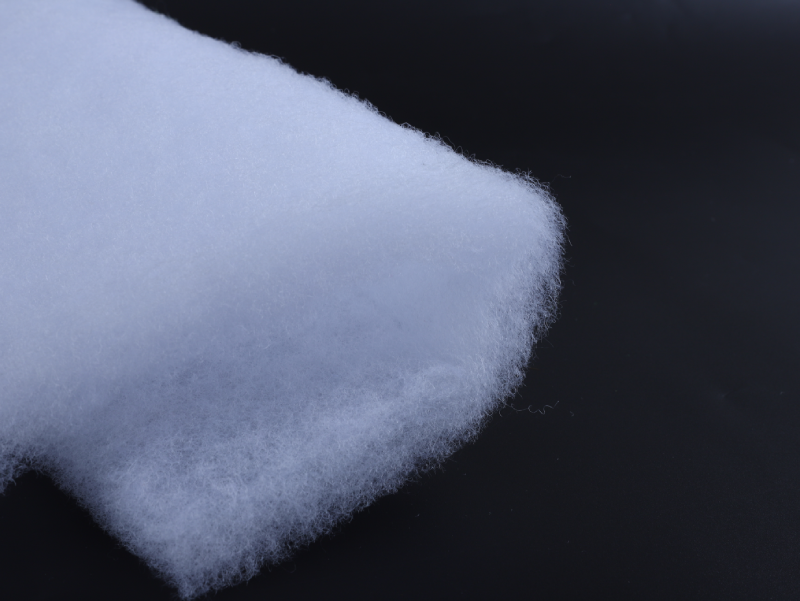
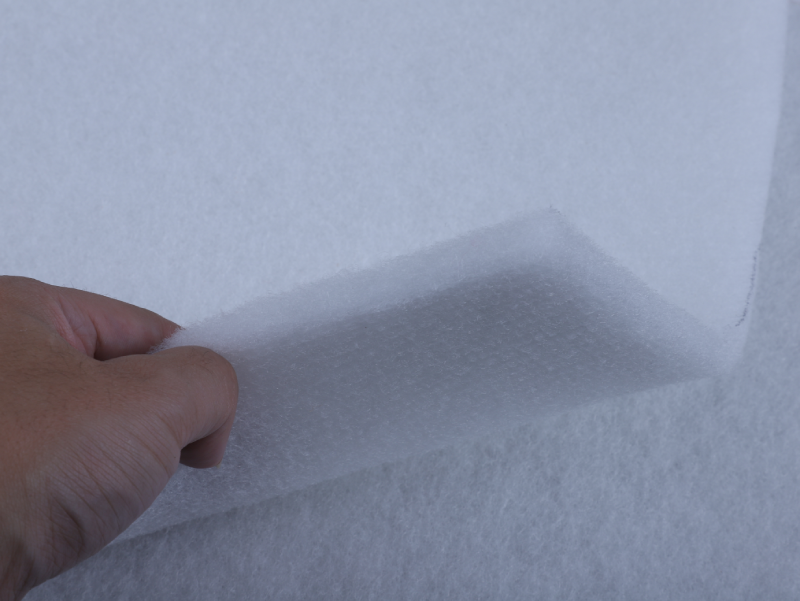
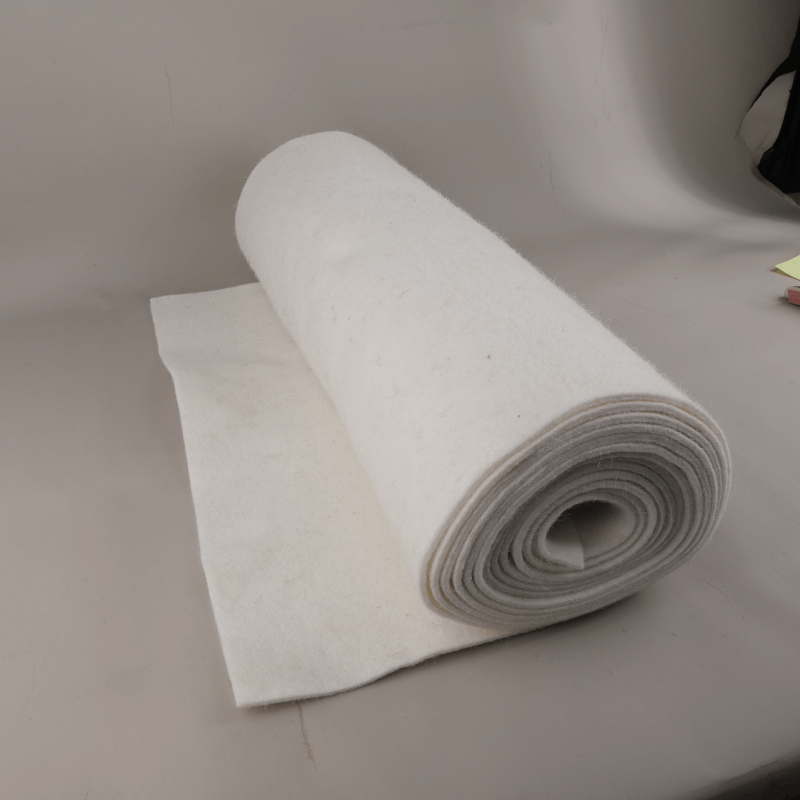
Needle punched wool felt is produced by mechanically entangling wool or wool-blend fibers through a needle punching process. Specialized needles repeatedly penetrate the fiber web, causing the fibers to interlock and form a stable felt structure.
Unlike conventional woven fabrics, needle felt does not rely on a traditional warp-and-weft structure. This allows manufacturers to create materials with different thicknesses, densities, hardness levels and surface textures.
The resulting structure can provide useful properties such as softness, resilience, thermal insulation, cushioning and acoustic absorption.
This versatility allows needle punched wool felt to move from traditional craft applications into modern household and lifestyle products.
Where Can Needle Punched Wool Felt Be Used in the Home?
Home Décor for a Warm and Natural Interior
Wool felt has a distinctive fiber texture and warm appearance, making it suitable for a wide range of interior decoration products.
It can be converted into:
Wall decorations
Decorative hanging pieces
Sofa accessories
Table decorations
Storage decorations
Furniture upholstery components
Compared with hard plastic or purely synthetic decorative materials, wool felt can provide a softer appearance and more natural tactile experience.
For brands developing Scandinavian, minimalist, natural or handcrafted home products, wool felt offers considerable design flexibility.
Table Mats and Furniture Protection Products
Needle punched wool felt can also be converted into different types of protective and functional mats.
Common examples include desk mats, table mats, placemats, coasters and furniture pads.
The fibrous structure of felt provides a certain degree of cushioning between objects and hard surfaces, helping reduce direct friction.
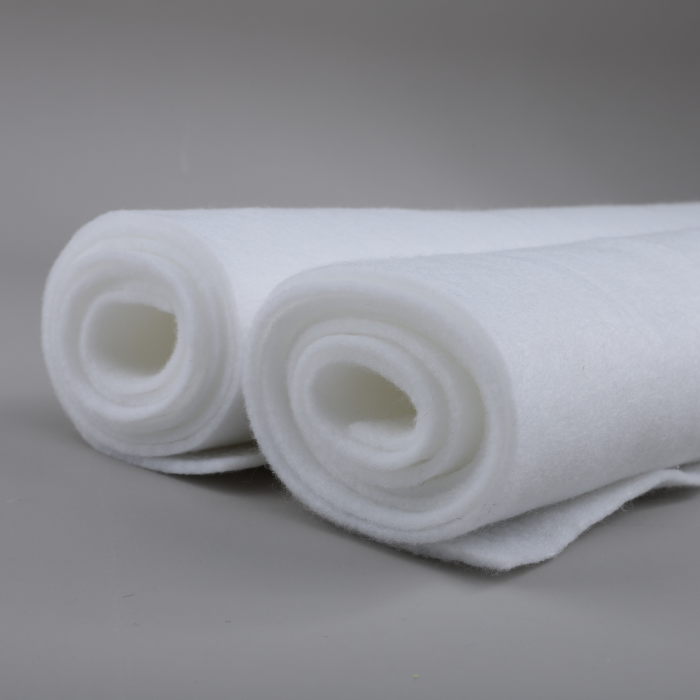
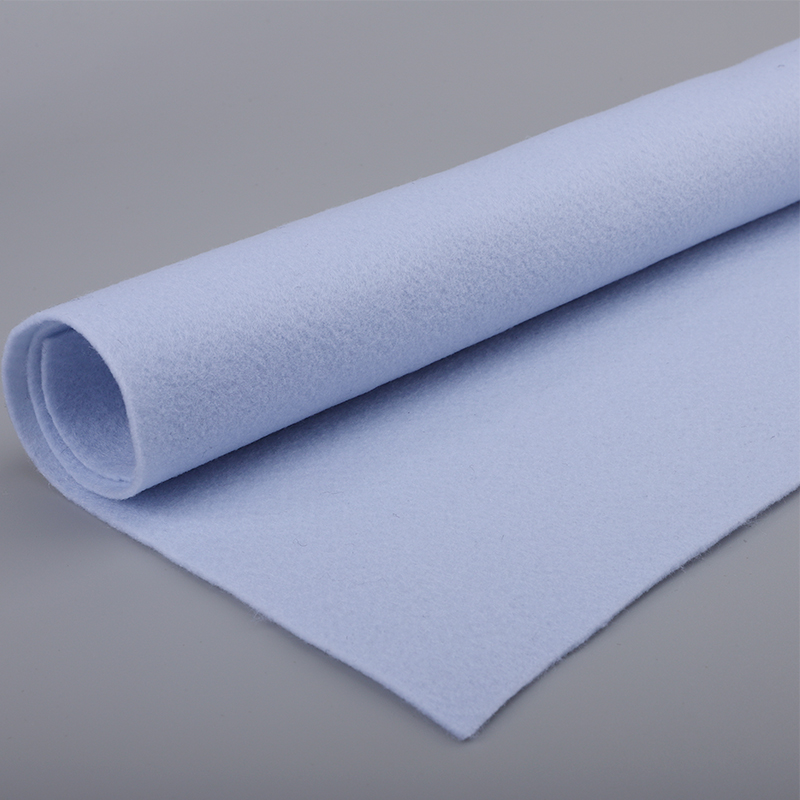
For homeware manufacturers, GSM, thickness, hardness and color can be customized according to the finished product.
Flexible Dividers for Home Storage Products
Storage products need to protect their contents while maintaining an attractive appearance.
Needle felt can be used for jewelry boxes, glasses cases, storage boxes, drawer organizers and soft storage compartments.
For example, a soft felt insert can help reduce direct contact between metal jewelry and a hard storage box.
For premium home organization brands, custom wool felt can also be developed in specific colors, thicknesses and structures to match the overall product design.
Why Is Needle Punched Wool Felt Suitable for Home Accessories?
Home products often need to balance appearance, touch, functionality and durability.
Needle punched wool felt is not simply a decorative material. Its fiber structure can provide both aesthetic and functional characteristics.
Wool fibers offer a naturally soft and warm feel, while the needle punched structure creates a material with controllable thickness and resilience.
The material can also be processed through die cutting, laser cutting, sewing, bonding and lamination, allowing manufacturers to create products with different shapes and structures.
For companies producing large quantities of home products, this processing flexibility can make product development more adaptable.
Applications of Needle Punched Wool Felt in Children's and Pet Products
Soft felt materials can also be used in selected children's and pet products.
Potential applications include children's educational toys, felt toys, DIY craft kits, pet toys, pet mats and pet storage products.
However, when the finished product is designed for direct contact with children or animals, manufacturers should verify the applicable safety, chemical and material requirements for the target market.
For these applications, product developers should consider more than wool content. Fiber safety, color fastness, chemical compliance, thickness and durability may all be important.
How Is Needle Punched Wool Felt Used in Fashion and Lifestyle Products?
Needle punched wool felt also provides opportunities for fashion accessories and lifestyle products.
Hats, Bags and Fashion Accessories
Wool felt can be converted into hats, bags, handmade accessories, decorative components and other fashion products.
Because the needle punching process allows manufacturers to adjust thickness and hardness, the material can be designed for different structural requirements.
For designer brands, custom wool felt can be developed with different colors, thicknesses, surface textures and fiber compositions to create distinctive products.
Footwear and Insoles
Wool needle felt can provide warmth, cushioning and a comfortable tactile surface, making it suitable for selected footwear applications.
It can be considered for winter footwear, warm shoes and certain types of insoles where thermal comfort is important.
Footwear manufacturers can select different GSM, thickness and density according to shoe construction, climate and final product requirements.
Why Are Sustainable Product Brands Interested in Wool Felt?
Sustainability has become an increasingly important consideration for homeware and lifestyle brands.
Wool is a natural animal fiber and is renewable, making it attractive for products positioned around natural materials and sustainability.
Wool does not have to be used alone. Depending on the customer's requirements for sustainability, cost and processing performance, it can be blended with fibers such as viscose and bamboo fiber.
These fiber combinations can provide additional flexibility during carding and web formation while maintaining some of the characteristics associated with wool.
For brands developing environmentally conscious home products, custom nonwoven products can provide more design possibilities than fixed-standard materials.
However, sustainability should not be judged only by the name of the raw material. Fiber sourcing, manufacturing processes, chemical treatments, product lifespan and target-market regulations should all be considered when evaluating the environmental profile of the finished product.
What Is the Difference Between Needle Punched Wool Felt and Traditional Wool Felt?
Traditional wool felt generally emphasizes the characteristics of wool as a material, while needle punched wool felt focuses more on the fiber structure created through the nonwoven needle punching process.
Needle punching allows manufacturers to control characteristics such as thickness, density, hardness and surface structure more precisely.
For commercial product development, this means manufacturers can design the material according to the final application instead of relying only on fixed wool felt specifications.
Industrial wool needle felt is also frequently produced using blended fibers.
For example, wool + polyester can balance wool characteristics with improved mechanical stability.
Wool + viscose can be considered for products emphasizing softness and plant-derived fiber content.
Wool + bamboo fiber may be suitable for selected lifestyle products where natural fiber concepts are important.
The appropriate fiber ratio should be determined according to the finished product, processing method and performance requirements.
What Specifications Should You Consider When Choosing Needle Punched Wool Felt?
For small craft projects, color and tactile feel may be the most important considerations.
For commercial production, however, manufacturers need to evaluate a wider range of technical specifications.
GSM affects the material's weight and overall structure.
Thickness is important for products such as desk mats, storage inserts and decorative components.
Density and hardness should be evaluated when the finished product requires structural support.
Fiber composition is another important factor. The wool content and the addition of polyester, viscose or bamboo fiber can affect processing characteristics and final performance.
Manufacturers should also confirm width, color, cutting method and surface finish, particularly when developing large-volume OEM products.
Why Choose Customized Needle Punched Wool Felt for Home Products?
Home and lifestyle products come in many different sizes, shapes and designs.
One manufacturer may require a thin and flexible felt for a desk mat, while another may need a thicker material for a storage divider. Some products require softness, while others need greater structural stability.
For this reason, standard wool felt may not always provide the best solution.
A professional custom needle punched felt manufacturer can adjust the material structure according to the final application.
Jinhaocheng has more than 20 years of nonwoven manufacturing experience, with an approximately 26,000㎡ production facility and 15 automated needle punching production lines. We can customize GSM, thickness, width, hardness, color and fiber composition according to customer requirements.
As a professional needle punched felt manufacturer China, nonwoven felt manufacturer China and custom nonwoven manufacturer, we support both OEM and ODM production.
In addition to wool needle felt, our nonwoven product range includes industrial felt, floor protection felt, painter felt, anti-condensation felt and thermal bonded wadding.
From Home Décor to Everyday Products, Needle Punched Wool Felt Offers More Possibilities
Needle punched wool felt is no longer limited to traditional handicrafts.
From desk mats, coasters, storage products and wall décor to toys, pet products, insoles, bags and fashion accessories, its combination of fiber texture, softness, warmth and processing flexibility allows it to enter an increasingly diverse range of everyday products.
For homeware manufacturers, lifestyle brands and product developers, the key is not simply choosing a standard wool felt. The better approach is to select the right fiber composition, GSM, thickness and density according to the finished product.
If you are looking for a reliable needle punched felt manufacturer, wool felt manufacturer, custom needle punched felt manufacturer or OEM nonwoven manufacturer, Jinhaocheng can provide customized material solutions based on your product design and manufacturing requirements.