
How to Confirm Aquarium Roller Filter Fleece Roll Dimensions and Equipment Compatibility
When sourcing fleece rolls for automatic aquarium roller filters, providing only the GSM and total roll length is not enough to confirm equipment compatibility. Roll width, core diameter, and maximum outer diameter can all affect installation and material feeding. Before placing an order, buyers should identify the equipment requirements and confirm the key dimensions to reduce the risk of fitting or feeding problems.
Why Are GSM and Total Roll Length Not Enough When Buying Aquarium Roller Filter Fleece?
GSM and total roll length describe only part of the material specification. Even if a fleece roll meets the required weight and length, it may not fit the equipment if its width, core dimensions, or maximum outer diameter differ from the machine's requirements.
For automatic aquarium roller filters, the roll must fit the installation space and feed through the equipment as intended. If the dimensions are not confirmed in advance, the roll may be difficult to install, may not fit the roll holder, or may cause problems during material feeding.
Buyers should therefore confirm both the material specifications and the equipment's dimensional requirements before requesting a quotation or approving a sample.
What Do Roll Width, Roll Length, Core Diameter, and Maximum Outer Diameter Affect?
Roll Width
Roll width determines whether the fleece fits the equipment's designated material path. If the roll is too wide or too narrow, it may not align properly with the intended feeding area.
Before ordering, confirm the required width using the equipment specifications, technical drawings, or an existing roll that fits the machine.
Roll Length
Roll length determines how much fleece is supplied on each roll. However, the actual length that can be wound onto a roll may depend on the material's thickness, winding conditions, core dimensions, and maximum permitted roll diameter.
Buyers should specify the required length and confirm that the proposed roll dimensions are suitable for the equipment.
Core Diameter
Core dimensions should be checked carefully because the inner diameter and outer diameter are different measurements. The inner diameter determines how the core fits onto the equipment's holder or shaft, while the outer diameter describes the overall size of the core itself.
Do not assume that rolls with similar external dimensions will fit the same holder. Confirm the required core dimensions against the equipment specifications or a suitable reference roll.
Maximum Outer Diameter
Maximum outer diameter refers to the overall diameter of the wound fleece roll. If the roll is too large, it may not fit within the available installation space or may interfere with the equipment's feeding mechanism.
The maximum permitted diameter should be confirmed before production, especially when the buyer requires a specific roll length or material thickness.
How Can You Confirm the Feed Path, Installation Space, and Roll Fixing Method?
Dimensional compatibility involves more than checking whether the roll fits on a holder. Buyers should also understand how the fleece moves through the equipment and how the roll is positioned during operation.
Confirm the available installation space, the direction in which the material feeds, and the way the roll is mounted or secured. These details help determine whether the proposed roll dimensions are suitable for the equipment.
Do not assume that all automatic aquarium roller filters use the same roll holder, feeding path, or installation method. Requirements may differ between equipment models and versions, so compatibility should be checked against the actual machine rather than inferred from the product category or brand name alone.
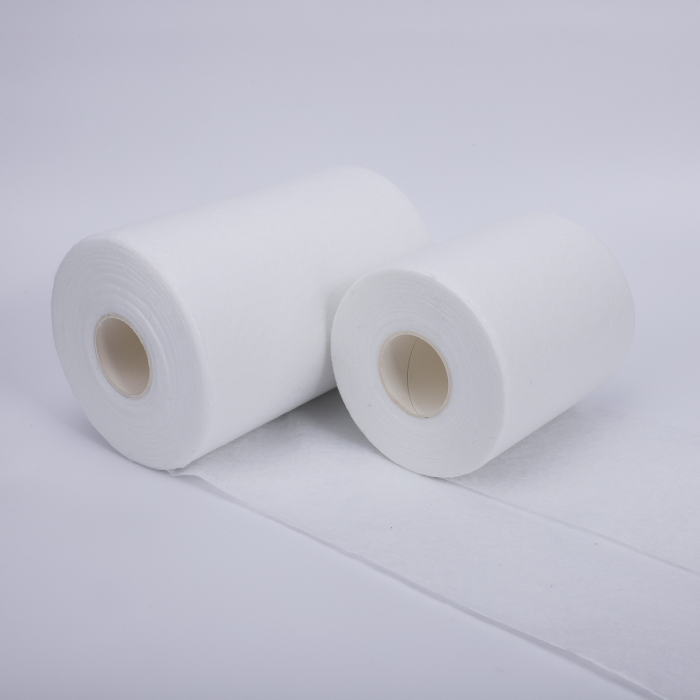
How Can Equipment Models, Technical Drawings, Existing Rolls, or Reference Samples Help Confirm Dimensions?
Equipment Model and Version
Provide the equipment manufacturer, model, and version when available. This information helps establish which dimensional requirements should be checked. However, a model name alone may not be sufficient if different versions use different roll specifications.
Technical Drawings and Installation Dimensions
If available, provide technical drawings or the relevant installation dimensions. Confirm the required roll width, core inner diameter, core outer diameter, and maximum roll outer diameter against the equipment documentation.
If any critical dimension is missing or unclear, confirm it with the equipment supplier before finalizing the roll specification.
Existing Roll as a Reference
If the equipment is already in use, an existing roll that fits correctly can serve as a practical reference. Measure its width, core dimensions, and overall outer diameter. If the roll length is also important, confirm the required length separately.
A reference roll can help clarify the required dimensions, but measurements should still be checked carefully, particularly if the existing roll is partially used, compressed, or deformed.
Reference Samples and Machine Fitting
When the dimensions cannot be confirmed confidently from documents alone, provide a reference sample or arrange a sample evaluation before mass production.
Check whether the sample can be installed correctly and whether the fleece follows the intended feed path under the equipment manufacturer's recommended operating conditions. Sample fitting helps identify dimensional issues before the specifications are used for a larger order.
What Information Should Buyers Provide in an OEM Inquiry, and How Should They Verify the Sample?
For an OEM inquiry, buyers should provide enough information for the supplier to understand both the material requirements and the equipment constraints.
The inquiry should include the equipment manufacturer, model and version, required roll width and length, core inner and outer diameters, maximum roll outer diameter, and any relevant installation or feed-path requirements. Buyers should also specify the required material properties, such as GSM and thickness, where applicable, along with winding, packaging, and sample-evaluation requirements.
If the buyer has a technical drawing, an existing roll, or a reference sample, these materials should be provided where possible to help clarify the dimensions.
After receiving a sample, verify the key dimensions and check whether it can be installed correctly. Following the equipment manufacturer's instructions, evaluate material feeding under the specified operating conditions. Record the equipment model, sample batch, measured dimensions, and observed operation so that any adjustments can be discussed with the supplier.
Sample approval should be based on the actual equipment requirements and agreed specifications, rather than appearance alone.
How Can Equipment Compatibility Requirements Be Converted into a Batch Order Specification?
Once the sample has been evaluated, the confirmed requirements should be documented as a clear specification for repeat orders and mass production.
The specification should identify the equipment model and version, roll width and length, core inner and outer diameters, maximum roll outer diameter, and relevant material properties. It should also state any agreed winding and packaging requirements, the approved sample reference, and the acceptance criteria for the order.
Documenting these details helps both the buyer and supplier work from the same requirements. If the equipment model, roll dimensions, or material specification changes, the relevant requirements should be reviewed again before production.
As a manufacturer of needle-punched nonwovens and composite nonwoven materials in China, HuiZhou JinHaoCheng Nonwovens Co., Ltd. can discuss polyester filter materials, GSM, thickness, roll width, roll length, and customized roll specifications according to project requirements. The company also supports OEM/ODM projects and bulk supply. For overseas buyers developing continuous rolls for automatic roller filters, providing equipment data and reference samples in advance helps align specification confirmation and sample evaluation with actual installation requirements.
For product details and customization inquiries, see our aquarium roller filter fleece rollpage.
Before placing a bulk order, confirm the roll dimensions, feed path, core requirements, and maximum outer diameter. Evaluate a sample on the intended equipment where possible, then record the approved dimensions and acceptance requirements in the batch specification. This provides a clearer basis for checking compatibility and maintaining consistency across repeat orders




