Is Needle Punched Cotton Real Cotton? Understanding the Difference Between Needle Punched Cotton and Natural Cotton
When buyers hear the word “cotton,” they naturally think of soft, breathable natural cotton fiber. However, needle punched cotton is a completely different material. Although both are soft and widely used in textile and filling applications, their raw materials, manufacturing processes, durability, and end-use industries are significantly different.
For importers, wholesalers, furniture manufacturers, automotive suppliers, and medical product companies, understanding the difference between needle punched cotton and natural cotton is essential for choosing the right material.
As a professional needle punched nonwoven felt manufacturer, Kenjoy has more than 20 years of experience producing customized nonwoven materials for home textiles, automotive interiors, medical products, construction, and industrial applications.
What Is Needle Punched Cotton?
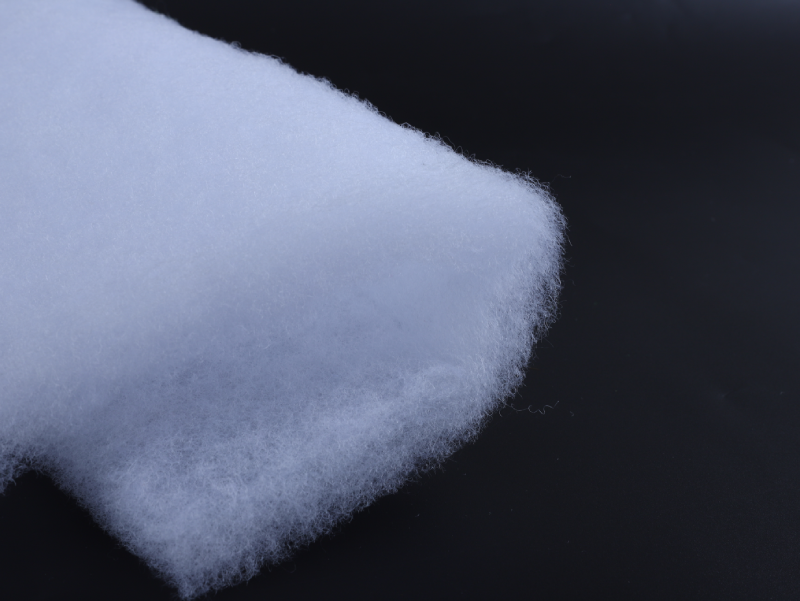
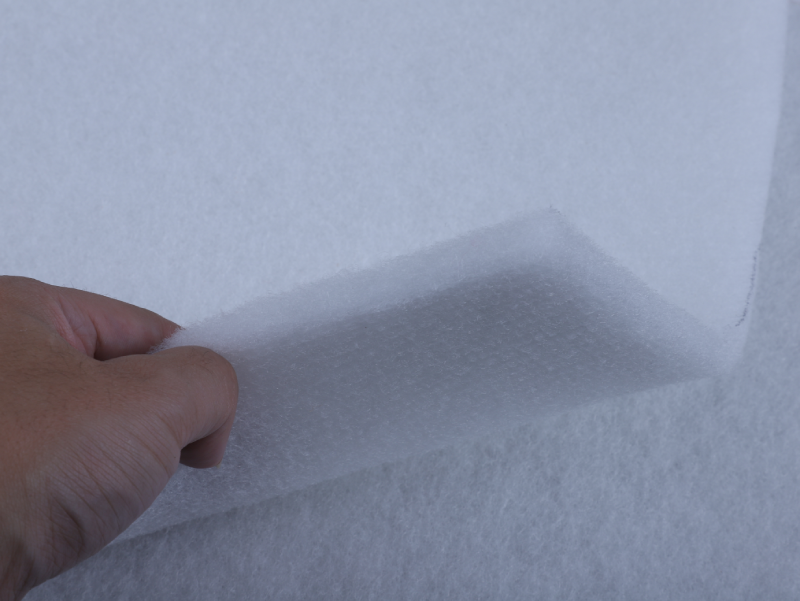
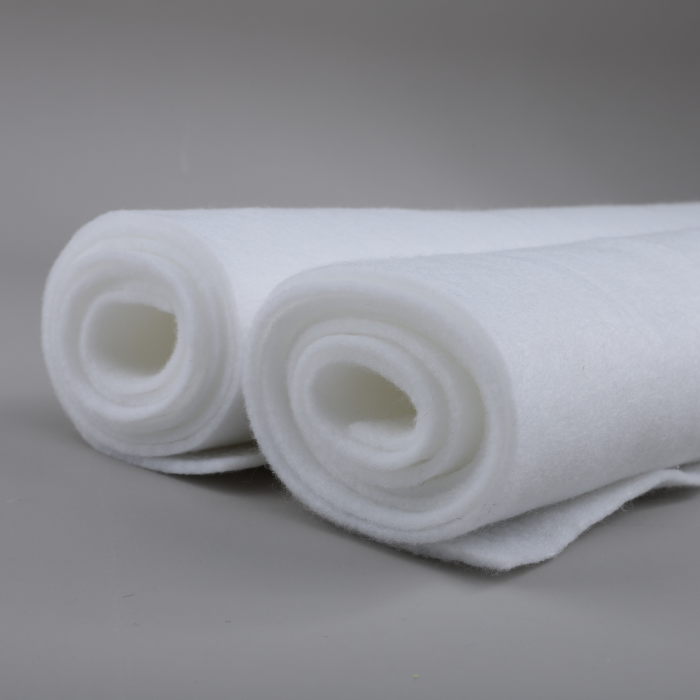
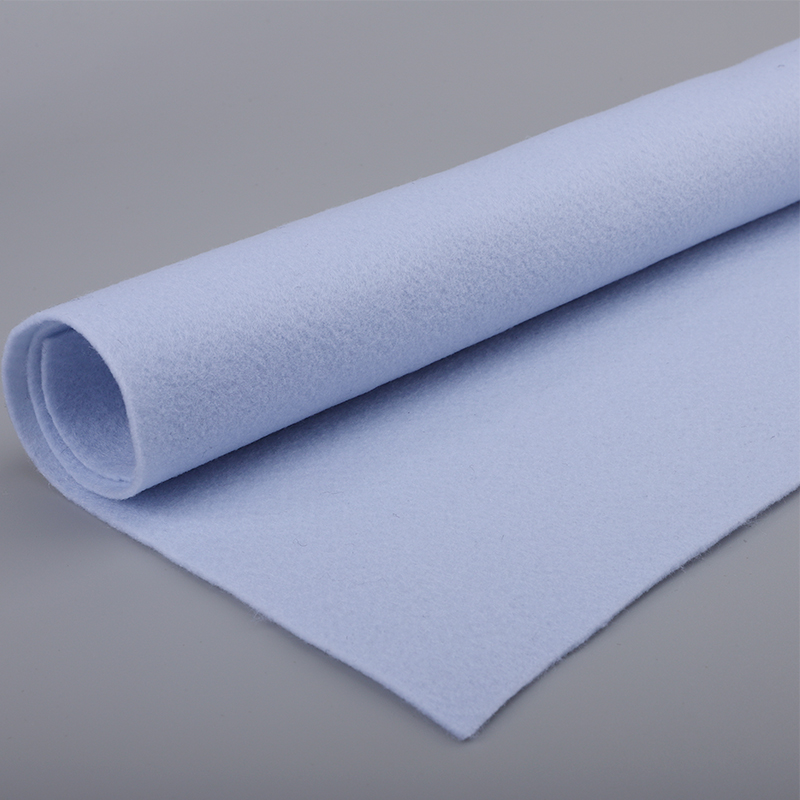
Needle punched cotton is not woven fabric and it is not simply raw cotton. It is a type of needle punched nonwoven fabric produced by mechanically entangling loose fibers with thousands of barbed needles.
Instead of spinning fibers into yarn, the needle punching process directly bonds fibers together to create a strong, flexible, and breathable nonwoven sheet.
The most common raw material is polyester fiber, but manufacturers can also blend many other fibers to achieve different product characteristics, including:
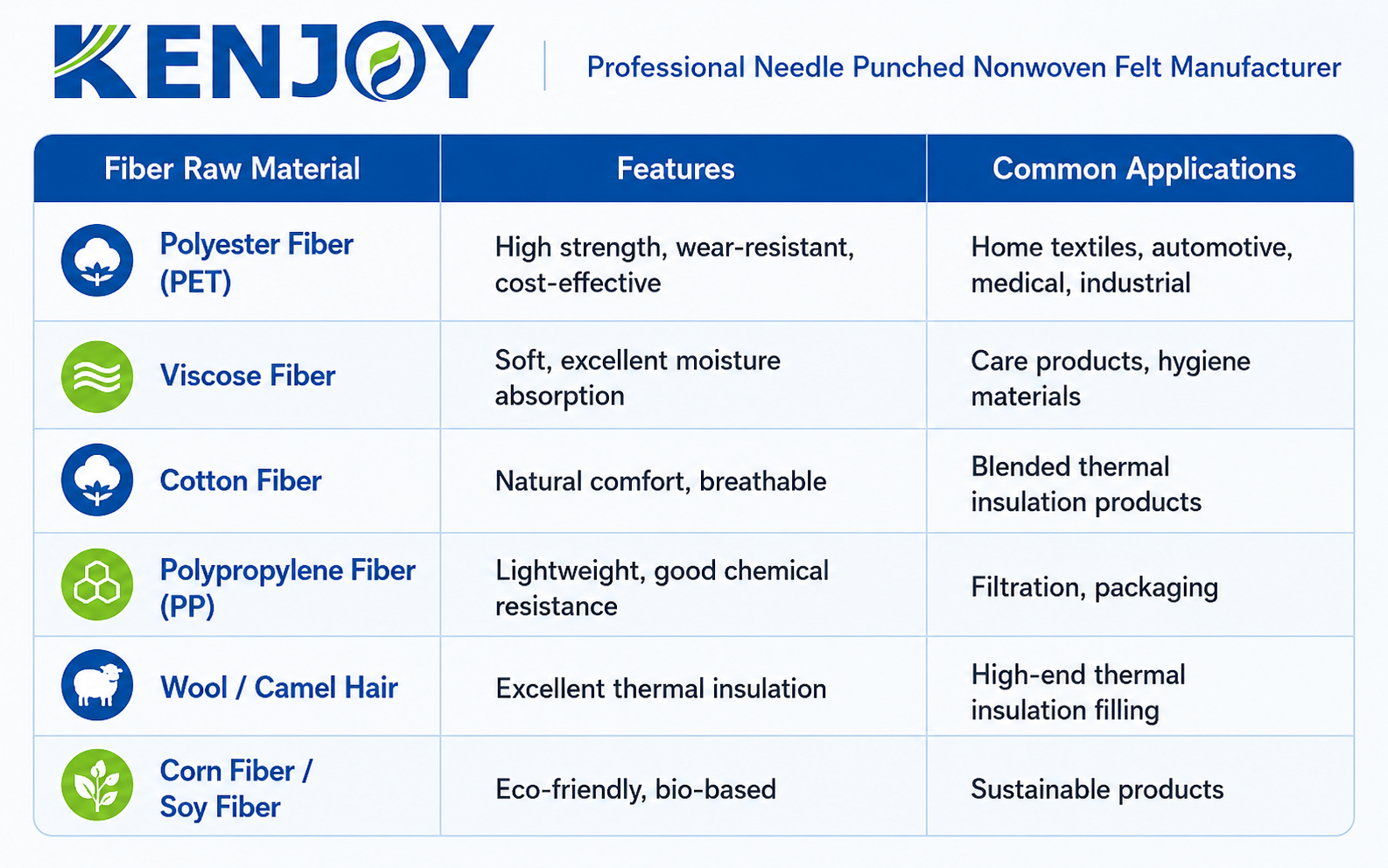
This flexibility allows custom nonwoven felt manufacturers to develop materials for completely different industries using the same needle punching technology.
Is Needle Punched Cotton the Same as Natural Cotton?
The simple answer is no.
Natural cotton is a plant-based fiber harvested from cotton plants, while needle punched cotton refers to the manufacturing process rather than a single raw material.
Many customers assume that every needle punched cotton product is made from cotton fiber, but in reality, most industrial needle punched products are made primarily from polyester because it offers better durability, dimensional stability, and production consistency.
Cotton fiber can certainly be blended into needle punched materials, but the finished product is still classified as needle punched nonwoven rather than traditional cotton fabric.
Needle Punched Cotton vs Natural Cotton: What Are the Differences?
The biggest differences come from raw materials and manufacturing technology.
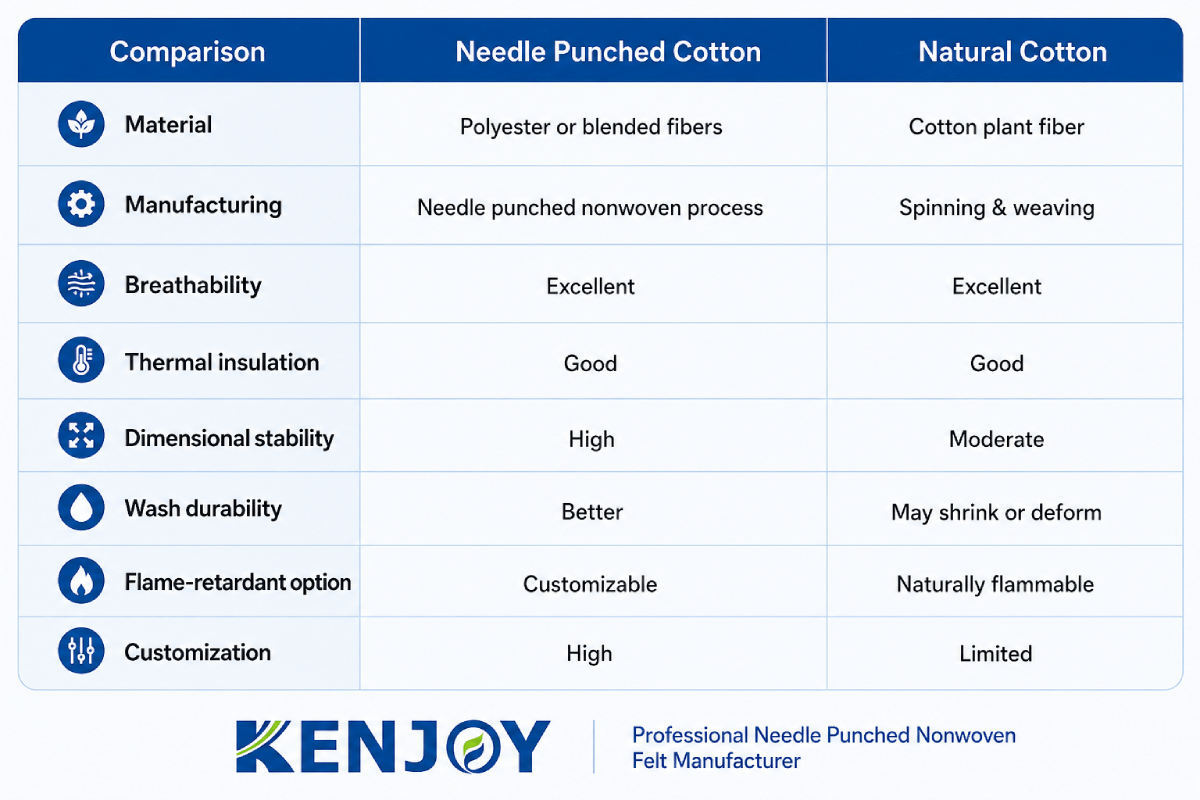
For industrial and commercial products, polyester needle punched cotton often provides a better balance between performance, durability, and production cost.
Why Is Polyester Needle Punched Cotton More Popular in Manufacturing?
Modern manufacturers are increasingly choosing needle punched nonwoven fabric because it offers greater flexibility than traditional cotton materials.
Better Structural Stability
Polyester fibers create a stronger internal structure after needle punching, allowing the material to maintain its shape even after compression, transportation, or long-term use.
This makes it ideal for furniture cushions, automotive interiors, industrial insulation, and protective materials.
Custom Functional Performance
Unlike natural cotton, needle punched materials can be customized with different functional properties, including:
Flame-retardant performance
Sound insulation
Thermal insulation
Water resistance
Breathability
High resilience
As an experienced OEM needle punched felt factory, Kenjoy develops customized fiber blends according to customer requirements and international standards.
Flexible Fiber Blending
One of the greatest advantages of needle punching is material compatibility.
Manufacturers can combine polyester with natural fibers to create products that balance comfort and durability, such as:
Polyester + cotton for softer filling materials
Polyester + viscose for higher absorbency
Polyester + wool for premium insulation products
Polyester + biodegradable fibers for sustainable product lines
This flexibility is difficult to achieve with traditional cotton alone.
Main Applications of Needle Punched Cotton
Because of its customizable structure, needle punched cotton is widely used across many industries.
Home Textile Products
Needle punched cotton is commonly used for:
Mattress padding
Quilt filling
Sofa cushions
Furniture upholstery
Protective padding
Its excellent resilience and breathable structure make it suitable for long-term home comfort applications.
Automotive Interior Materials
The automotive industry uses needle punched nonwoven felt for:
Headliners
Door panels
Trunk liners
Carpet backing
Acoustic insulation
High-density polyester needle punched materials help reduce vehicle noise while maintaining dimensional stability.
Medical and Hygiene Products
Soft needle punched materials can be converted into:
Medical care products
Absorbent pads
Hygiene products
Protective medical materials
Composite healthcare fabrics
Different fiber blends allow manufacturers to develop customized materials for healthcare applications.
Industrial and Construction Applications
Industrial needle punched felt is also widely used for:
Sound insulation
Thermal insulation
Filtration materials
Protective packaging
Construction protection
Its durability makes it suitable for demanding industrial environments.
Can Needle Punched Cotton Be Made with Natural Cotton?
Yes. Needle punched cotton can include natural cotton fibers as part of the fiber blend.
Many manufacturers combine natural and synthetic fibers to achieve specific performance requirements. For example, cotton improves softness and comfort, while polyester enhances strength and wash durability.
Kenjoy provides customized fiber blending services, allowing customers to specify fiber composition, GSM weight, thickness, width, color, and finishing treatments according to their product requirements.
How Should Buyers Choose Between Needle Punched Cotton and Cotton?
The right material depends entirely on the final product.
Natural cotton is ideal for products emphasizing traditional textile comfort and natural fiber appeal.
Needle punched cotton is the better choice when products require dimensional stability, durability, flame-retardant performance, sound insulation, or industrial processing efficiency.
For furniture, automotive, medical, construction, and industrial applications, needle punched nonwoven fabric has become one of the most widely used engineered materials worldwide.
Why Choose Kenjoy as Your Needle Punched Nonwoven Manufacturer?
Kenjoy is a professional needle punched nonwoven felt manufacturer located in Guangdong, China, specializing in customized nonwoven materials for global customers.
Our manufacturing capabilities include:
Polyester needle punched cotton
Blended fiber needle punched felt
Flame-retardant nonwoven felt
Medical nonwoven materials
Automotive interior felt
Industrial protective felt
With over 20 years of production experience, advanced automated production lines, and comprehensive OEM & ODM services, Kenjoy provides reliable nonwoven solutions for distributors, manufacturers, and international brands worldwide.
Conclusion
Needle punched cotton is not natural cotton—it is an engineered nonwoven material produced through needle punching technology. While it can incorporate cotton fiber, its performance, customization flexibility, and industrial applications make it fundamentally different from traditional cotton.
For businesses developing furniture, automotive, medical, or industrial products, choosing the right needle punched nonwoven fabric can significantly improve product performance and manufacturing efficiency.
Kenjoy is committed to delivering high-quality customized nonwoven materials that support long-term partnerships across global markets.