PE vs TPE Waterproof Backing: How Can Buyers Choose a More Durable Garage Floor Mat?
For garage owners, automotive service businesses, workshops, contractors, distributors, and professional buyers, choosing a suitable Garage Floor Mat is not simply about selecting a material that covers the floor.
During vehicle maintenance, parking, repair, or workshop operations, the floor may be exposed to water, oil, grease, dirt, tools, and repeated vehicle or foot traffic. Therefore, a professional Garage Floor Protector needs to provide reliable surface protection while also controlling liquid penetration.
For importers, wholesalers, and distributors, the choice of waterproof backing can also affect product positioning, durability, reusability, and purchasing cost.
Among different backing materials, PE and TPE are two options commonly considered for waterproof floor protection products. However, the question is not simply which material is better.
Buyers should evaluate the backing together with the felt surface, lamination strength, intended application, reusability, and overall product structure.
Why Does a Garage Floor Mat Need Waterproof Backing?
A garage floor is exposed to different types of contamination during daily use.
Water, engine oil, grease, cleaning liquids, and other fluids may come into contact with the floor during vehicle maintenance or parking.
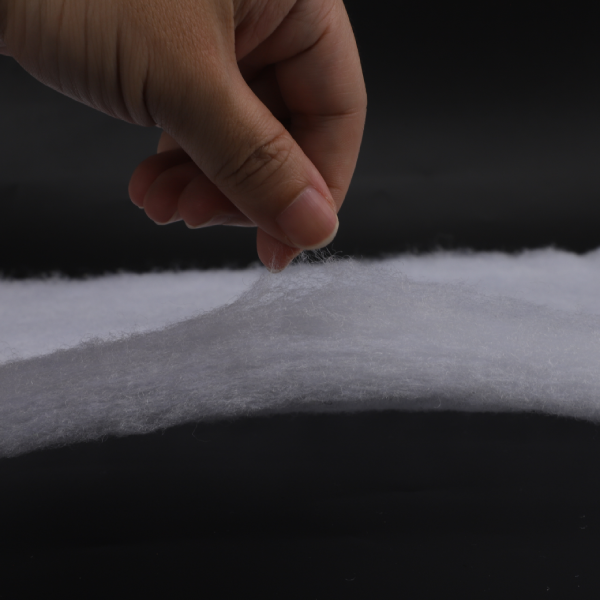
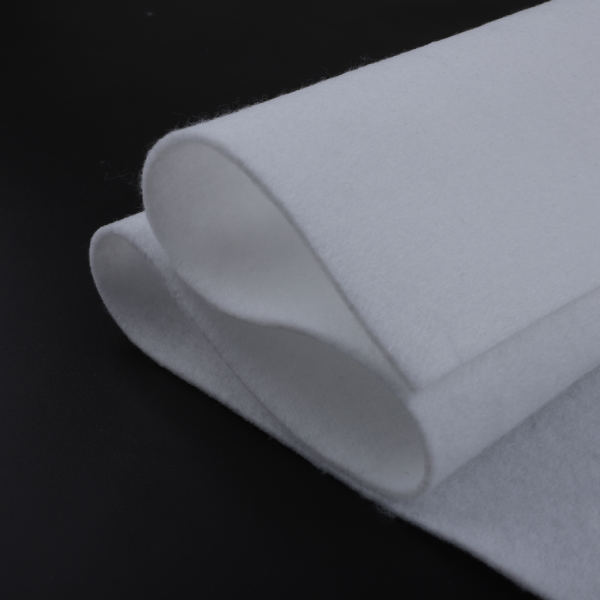
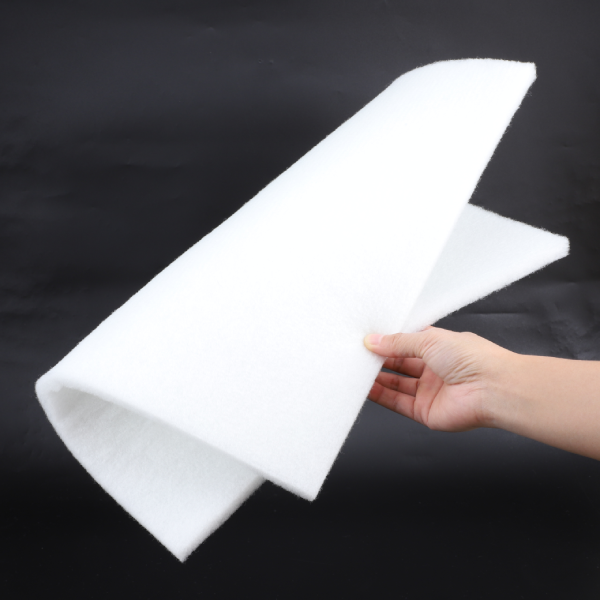
A needle punched felt surface can provide absorption and cushioning, but if there is no waterproof layer underneath, absorbed liquids may continue to penetrate toward the floor.
Therefore, a waterproof garage mat normally needs a composite structure that combines a felt/absorbent surface with a waterproof backing.
The felt layer can help absorb and hold certain liquids, while the backing helps create a barrier between the absorbed liquid and the floor underneath.
For professional buyers, this combination is particularly important when the product is designed for oil/water protection, repeated use, or heavy-duty applications.
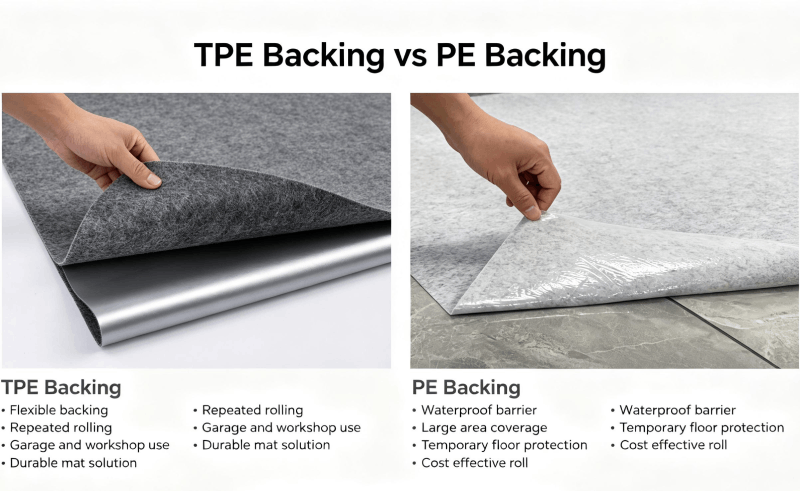
What Is the Difference Between PE and TPE Waterproof Backing?
PE and TPE are different materials, so their properties and suitable applications can also be different.
PE, or polyethylene, is widely used as a waterproof backing material because it can provide a practical liquid barrier and is suitable for many general floor protection applications.
TPE, or thermoplastic elastomer, combines characteristics associated with plastics and elastomeric materials. Depending on the formulation and product construction, TPE can provide greater flexibility and a different level of surface feel and durability.
For buyers, the choice between PE and TPE should therefore be based on the actual application rather than simply assuming that one material is always superior.
The most important question is:
Which backing material is more suitable for the product's intended use, target market, and expected service life?
When Is PE Backing Suitable for Garage Floor Protection?
PE backing can be a practical option for many Garage Floor Mat and Floor Protection Mat applications.
For general garage parking, vehicle maintenance, temporary protection, and applications where waterproof performance and cost control are important, PE can provide a practical balance between protection and purchasing cost.
A Felt Garage Floor Mat with PE backing can combine the absorbent properties of needle punched felt with the liquid barrier provided by the PE layer.
For importers and wholesalers, this type of construction can also be suitable when the target market requires a cost effective floor protection product with reliable basic waterproof performance.
For large-volume purchasing, PE-backed products can therefore be considered when buyers need to balance product performance with overall purchasing cost.
When Is TPE Backing Suitable for Garage Floor Protection?
TPE backing can be considered when buyers place greater emphasis on flexibility, material feel, and a more durable composite construction.
For applications involving repeated handling, rolling, unrolling, and movement, the flexibility of the backing can influence the overall user experience.
A TPE-backed Garage Floor Protector can also be positioned toward markets that require a more premium or durable floor protection solution.
However, the performance of the final product does not depend on the backing material alone.
The thickness and density of the felt, the backing formulation, the lamination process, and the bonding strength between the two layers can all affect the actual service life of the product.
Therefore, buyers should evaluate the complete composite structure instead of choosing TPE simply because it is considered a higher-level material.
Don't Compare Only PE and TPE: Lamination Strength Also Matters
When purchasing a composite Garage Floor Mat, many buyers focus on the backing material but overlook another important factor: lamination strength.
A product may use a suitable waterproof backing, but if the backing does not bond firmly with the needle punched felt, the two layers may separate during actual use.
Repeated rolling, unrolling, dragging, cleaning, folding, and storage can place stress on the bonded structure.
This is why anti-delamination floor protection is important for products designed for repeated use.
A strong lamination between the felt and waterproof backing can help maintain the integrity of the product during repeated handling and use.
Therefore, when comparing PE and TPE products, buyers should also ask:
How strong is the bonding between the felt and the waterproof backing?
This can be more important than simply comparing the names of the backing materials.
How Does Waterproof Backing Affect Reusability?
For a reusable garage floor protector, the backing needs to remain stable during repeated use.
A garage floor mat may need to be rolled, transported, cleaned, stored, and used again.
During this process, the backing can experience repeated bending and mechanical stress.
If the felt and backing separate easily, the product may lose its protective function even if the individual materials themselves are suitable.
Therefore, a durable bonded construction is an important part of a reusable floor protection product.
When the felt surface, waterproof backing, and bonding process are properly matched, the finished product can provide a longer service life and better value for repeated use.
How Should Buyers Choose Between PE and TPE?
There is no single answer that applies to every buyer.
Instead, buyers should first identify the application and target market.
For general garage protection and applications where purchasing cost is an important consideration, PE backing can be a practical choice.
For markets that place greater emphasis on flexibility, durability, and product positioning, TPE backing can be considered.
For professional buyers, the following factors should be evaluated together:
Application environment
Expected frequency of use
Water and oil exposure
Required flexibility
Target product positioning
Lamination strength
Overall purchasing cost
This approach allows buyers to choose a backing material based on actual requirements rather than simply comparing PE and TPE as isolated materials.
Should Buyers Consider Oil Exposure When Choosing the Backing?
For garages, workshops, mechanic areas, and automotive applications, oil exposure is an important consideration.
An Oil Spill Mat may need to handle engine oil, lubricants, grease, and other automotive fluids.
In these applications, buyers should not only evaluate whether the backing is waterproof. They should also consider the overall bonding structure and whether the finished product is suitable for repeated contact with the expected liquids.
A water and oil resistant bonding structure can help create more reliable protection when the product is designed for automotive or workshop environments.
Therefore, buyers looking for an under vehicle floor protector, car garage floor protector, or automotive floor protection product should evaluate the complete material construction rather than focusing only on the waterproof backing name.
How Does the Choice of Backing Affect Purchasing Cost?
Material selection directly affects the purchasing cost of a floor protection product.
PE and TPE have different material characteristics and cost structures, so the final price can vary depending on the backing material, thickness, specifications, and production requirements.
However, the lowest unit price does not necessarily mean the lowest overall cost.
If a floor mat has a longer service life and can be reused across multiple projects or applications, its actual cost per use may be lower.
Therefore, professional buyers should consider:
Material cost
Product service life
Number of possible uses
Cleaning and storage requirements
Transportation cost
Target market positioning
This is especially important for importers, wholesalers, and distributors who purchase Floor Protection Roll or garage floor protection products in bulk.
Different Backings Can Support Different Market Positioning
PE and TPE do not necessarily compete in exactly the same market position.
PE-backed products can be suitable for buyers who prioritize practical waterproof protection, stable supply, and cost control.
TPE-backed products can be positioned toward applications where buyers place greater emphasis on flexibility, durability, and a more premium product structure.
Therefore, distributors and brand owners can select different backing materials according to the requirements of their target markets.
For example, a standard Garage Floor Mat may focus on practical protection and cost efficiency, while a heavy-duty product can emphasize durability, repeated use, and longer service life.
The backing material can therefore become part of the overall product positioning strategy.
Why Choose a Supplier That Controls Both Needle Punched Felt and Composite Products?
For buyers, the quality of a finished garage floor mat depends not only on the backing material but also on the quality and consistency of the needle punched felt and the composite production process.
If the supplier controls the production of the felt and the composite structure, it can be easier to coordinate material specifications, GSM, thickness, bonding, and final product performance.
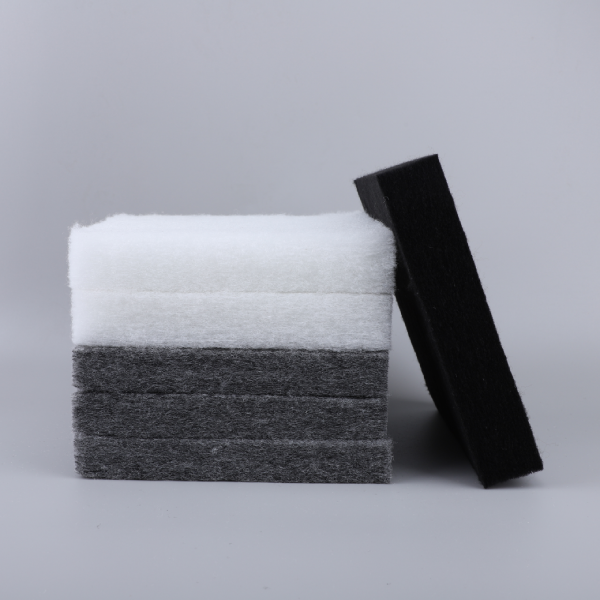
For companies looking for Heavy-Duty Needle Punched Felt, garage floor protection, or customized composite products, working directly with a professional needle punched nonwoven felt manufacturer can provide greater flexibility.
This is particularly valuable for importers, wholesalers, distributors, and brand customers who need customized specifications or long-term supply.
A custom nonwoven felt manufacturer can adjust product specifications according to different application requirements and provide OEM solutions for different markets.
PE vs TPE Is Not the Only Answer
When choosing a waterproof backing for a Garage Floor Mat, PE and TPE are important options, but they are not the only factors that determine product performance.
The buyer should also evaluate:
Felt material and density
GSM and thickness
Waterproof backing structure
Lamination strength
Resistance to delamination
Expected service life
Reusability
Application environment
Overall cost per use
A high-quality floor protection product is the result of matching the right felt, backing, and bonding process.
Therefore, instead of simply asking “PE or TPE?”, professional buyers should ask:
Which composite construction provides the right balance of protection, durability, reusability, and cost for my market?
Conclusion: Choose the Right Backing for Your Garage Floor Protection Product
The difference between PE and TPE waterproof backing is not simply a matter of choosing which material is better.
PE can provide a practical waterproof barrier for many general Garage Floor Mat and Floor Protection Mat applications, while TPE can be considered for applications that place greater emphasis on flexibility, durability, and product positioning.
However, the backing material should always be evaluated together with the felt surface and bonding structure.
For buyers, strong lamination, anti-delamination floor protection, a suitable felt surface, and reliable waterproof backing are all important factors when developing a durable and reusable floor protection product.
For importers, wholesalers, distributors, and brand customers, choosing a supplier with stable manufacturing capabilities and OEM/ODM customization can make it easier to develop products according to different market requirements.
HUIZHOU JINHAOCHENG NONWOVENS CO., LTD focuses on needle punched nonwoven products and provides customized solutions for different floor protection and industrial applications. As a professional needle punched felt manufacturer and nonwoven felt manufacturer China, we can support customized felt specifications, composite structures, and OEM requirements.
The right solution is not necessarily the most expensive backing.
It is the one that provides the right combination of water and oil protection, strong bonding, durability, reusability, and cost effectiveness for your target application.