What Types of Fiber Cotton Are There? A Buyer’s Guide to Choosing the Right Fiber Material
When sourcing filling materials, insulation, acoustic materials or industrial nonwoven products, buyers often face a basic question: What types of fiber cotton are available, and which one is suitable for my application?
“Fiber cotton” is not a single standardized material. Different fiber compositions, manufacturing methods and specifications can significantly affect weight, thickness, softness, strength, moisture absorption, temperature resistance and durability.
For importers, wholesalers, manufacturers and industrial buyers, choosing the right material should start with the application rather than price alone.
This guide introduces the most common fiber materials, their characteristics and applications, while explaining the key specifications buyers should evaluate before placing an order.
What Is Fiber Cotton?
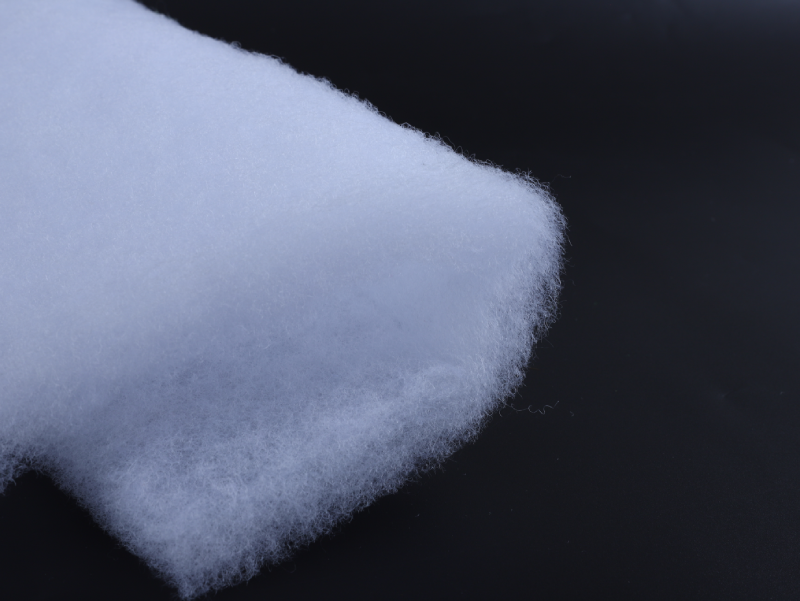
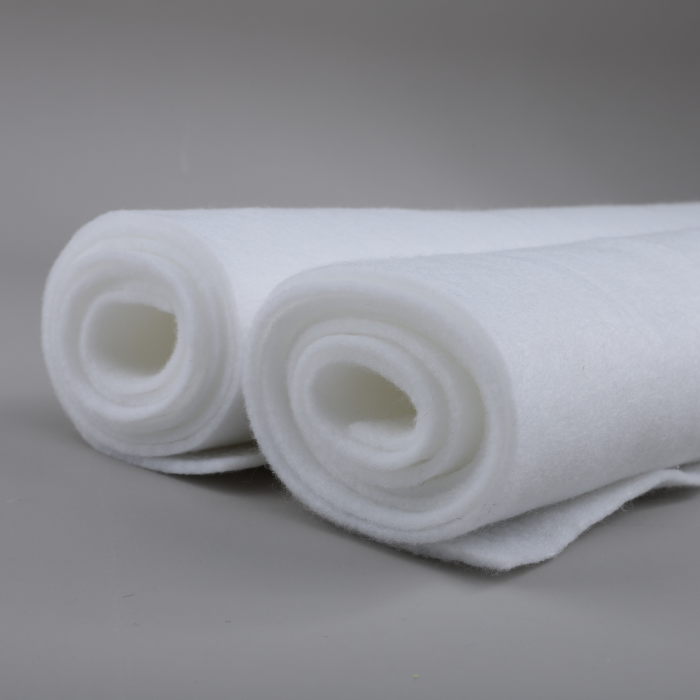
Fiber cotton generally refers to a fluffy, layered or sheet-like material made from natural or synthetic fibers through processes such as opening, blending, web forming, needle punching or thermal bonding.
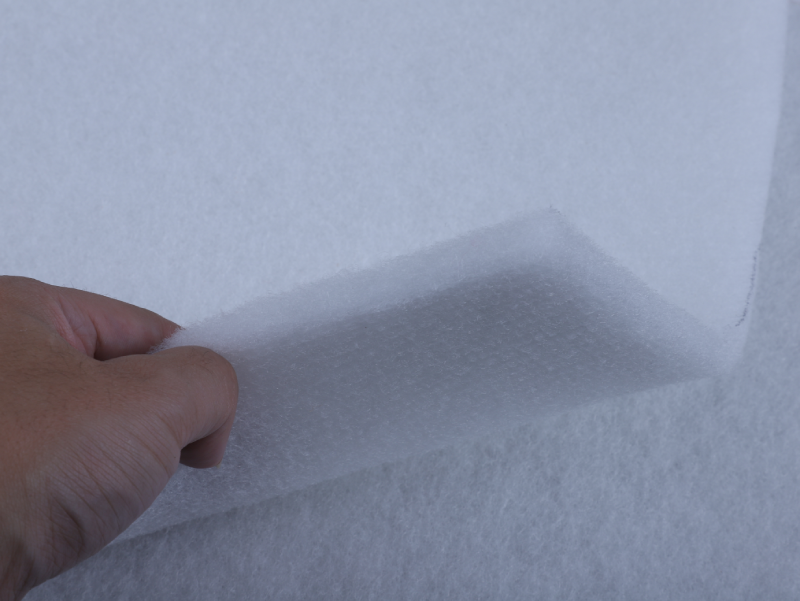
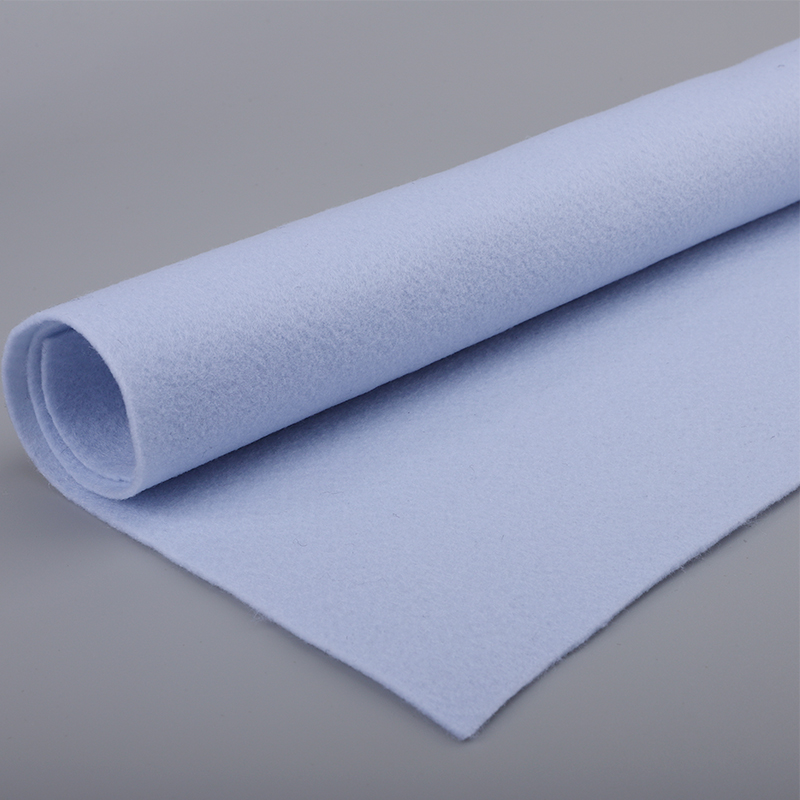
Unlike traditional woven fabrics, many fiber cotton products belong to the nonwoven material category. They do not require conventional warp-and-weft weaving. Instead, fibers are arranged into a web and then bonded or mechanically entangled to create a stable structure.
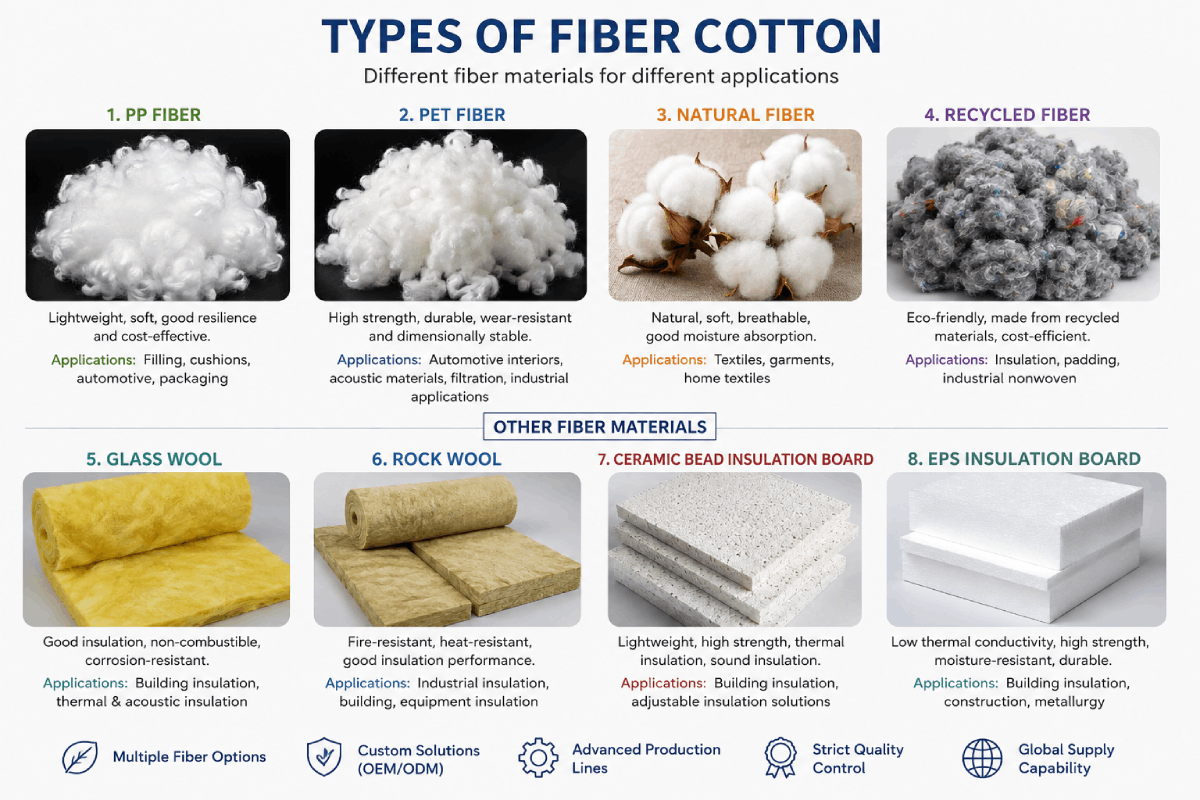
Depending on the raw material, common types include PP fiber, PET fiber, natural fiber and recycled fiber.
It is also important to distinguish these materials from glass wool, rock wool and other insulation products. Although they may all have a cotton-like or fibrous appearance, their raw materials and manufacturing systems are different.
What Are the Main Types of Fiber Cotton?
1. PP Fiber: Lightweight and Cost-Effective
PP fiber cotton is mainly made from polypropylene (PP) fiber. It is known for its lightweight structure, soft feel and relatively competitive material cost.
For buyers handling large-volume projects, PP fiber can provide a practical balance between basic performance and cost control.
Common applications include:
Furniture and soft filling
Automotive interior materials
Household products
Packaging and cushioning materials
Selected industrial nonwoven products
For projects that prioritize lightweight construction, cost efficiency and high-volume supply, PP fiber can be an option worth evaluating.
2. PET Fiber Cotton: Designed for Durable Applications
PET fiber cotton is primarily made from polyester fiber and is widely used in industrial nonwoven materials.
Polyester fibers can provide good dimensional stability, abrasion resistance and mechanical strength, making them suitable for applications where material durability is important.
PET fiber cotton and related needle punched nonwoven materials can be used for:
Automotive interiors
Sound insulation and acoustic materials
Filtration materials
Industrial pads
Furniture and household products
Construction-related materials
For projects requiring consistent thickness, GSM and structural performance, PET-based materials are often suitable for specification-controlled production.
3. Natural Fiber Cotton: Focusing on Natural Material Properties
Natural fiber cotton can be made from materials such as cotton, wool and other natural fibers.
These materials can offer advantages such as softness, comfort and moisture absorption, making them suitable for selected textile, household and specialty applications.
However, natural fibers can differ from synthetic fibers in terms of cost, dimensional stability, abrasion resistance and production consistency.
For large-scale industrial purchasing, buyers should therefore evaluate natural fiber according to the actual end-use requirements.
If the project emphasizes natural material characteristics, softness or moisture absorption, natural fibers may be worth considering.
4. Recycled Fiber Cotton: An Option for Sustainability-Focused Projects
Recycled fiber cotton is produced using recovered and reprocessed fiber materials.
For customers in markets where sustainable materials are becoming increasingly important, recycled fibers can offer an alternative to relying entirely on virgin raw materials.
However, buyers should pay close attention to:
Raw material sources
Fiber composition
Impurity control
Color consistency
GSM stability
Finished-product performance
For export projects or applications with specific compliance requirements, buyers should also confirm the relevant certifications and testing requirements before purchasing.
What Is the Difference Between Glass Wool, Rock Wool and Fiber Cotton?
When searching for fiber cotton, buyers may also encounter glass wool, rock wool, insulation cotton and polystyrene insulation boards.
Although these materials may have a similar fibrous or cotton-like appearance, they belong to different material categories.
Glass wool is made from glass-based fibers and is widely used for building insulation, thermal insulation and acoustic applications.
Rock wool is generally produced from natural mineral rock and is valued for its high-temperature resistance and fire-related properties. It is commonly used in building and industrial insulation.
Polystyrene insulation boards, on the other hand, are foam plastic products rather than conventional fiber cotton.
Therefore, professional buyers should not select a material based only on the word “cotton.” Raw material, manufacturing process and end application should all be considered.
Which Specifications Should Buyers Check When Sourcing Fiber Cotton?
For wholesalers, importers and industrial buyers, the material name is only the starting point. The actual performance of a product depends heavily on its specifications.
GSM
GSM, or grams per square meter, is one of the most important specifications for nonwoven materials.
Different GSM levels can affect coverage, thickness, strength and hand feel. The same PET needle punched nonwoven material, for example, can be manufactured in different weights to meet different application requirements.
When requesting a quotation, buyers should therefore specify the required GSM range rather than simply asking for a particular material.
Thickness and Density
Thickness is particularly important for products used for acoustic insulation, cushioning, filling and protection.
Even when two products have the same GSM, differences in fiber structure and manufacturing process can result in different thickness and density.
For this reason, buyers should provide both the target thickness and actual application requirements whenever possible.
Fiber Composition
Different fibers provide different performance characteristics.
For example, PET fiber is widely used when durability and structural stability are important, while PP can provide lightweight and cost advantages. Natural fibers may be preferred when natural characteristics and moisture absorption are key considerations.
If a project requires specific properties such as flame resistance, moisture absorption or temperature resistance, these requirements should be communicated during the quotation stage.
Width, Length and Roll Specifications
For wholesalers and manufacturers, roll dimensions can directly affect transportation, storage and downstream processing efficiency.
An experienced custom nonwoven felt manufacturer can adjust product width, length and packaging according to the customer's production equipment and application requirements.
This can help reduce additional slitting work and improve material utilization.
Why Is Needle Punched Nonwoven Suitable for Industrial Applications?
Among different fiber-processing technologies, needle punching offers considerable flexibility.
During the needle punching process, specially designed needles repeatedly penetrate the fiber web, mechanically entangling the fibers and creating a stable nonwoven structure.
The final material can be adjusted according to fiber type, GSM, thickness and finishing requirements.
As a result, needle punched nonwoven materials can be used in:
Automotive interiors
Floor protection
Construction protection
Industrial filtration
Sound absorption
Furniture and household products
Agriculture
Packaging and cushioning
For buyers requiring customized materials, needle punching provides considerable flexibility in adjusting product specifications.
How Can Jinhaocheng Meet Different Fiber Material Requirements?
For professional buyers, finding a supplier that can consistently control raw materials, specifications and production capacity is often more important than simply finding the lowest price.
Jinhaocheng has more than 20 years of nonwoven manufacturing experience and operates a production facility in Guangdong, China, with approximately 26,000 m² of factory space, 15 automated needle punching production lines and an annual capacity of more than 10,000 tons.
As an experienced needle punched nonwoven felt manufacturer, Jinhaocheng can provide different GSM levels, thicknesses, widths and material configurations according to specific applications.
Our nonwoven materials are used across floor protection, automotive, construction, household and industrial applications, with OEM and ODM services available for qualified projects.
For importers, wholesalers and brands looking for long-term supply, we can support specification matching from raw material selection through finished-product manufacturing.
This level of production capability is an important consideration when choosing a needle punched felt factory China rather than relying solely on a trading intermediary.
How Should Buyers Choose the Right Fiber Cotton?
There is no single fiber material that is suitable for every application.
If the priority is lightweight construction and cost control, PP fiber may be worth considering. If durability and dimensional stability are more important, PET fiber can be a stronger option. Natural fibers may be suitable when natural characteristics are required, while recycled fibers can be considered for sustainability-focused projects.
For industrial buyers, a practical purchasing approach is:
Define the application first, select the fiber type second, and then confirm GSM, thickness, width, performance requirements and packaging specifications.
If your project requires needle punched nonwoven materials, working directly with an experienced nonwoven felt manufacturer China can also make it easier to develop specifications around your actual application.
Conclusion
Fiber cotton is not a single material. Different fiber types and manufacturing processes produce different performance characteristics.
For importers, wholesalers and industrial buyers, selecting the right raw material, GSM and manufacturing method is more important than comparing unit prices alone.
If you are looking for an experienced needle punched felt manufacturer, Jinhaocheng provides OEM, ODM and customized needle punched nonwoven solutions.