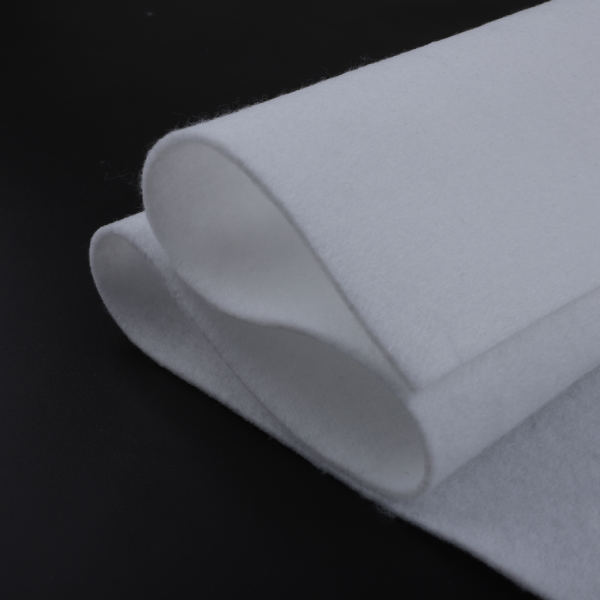
When Do Buyers Need Flame Retardant Acoustic Felt for Acoustic Projects?
For buyers sourcing Acoustic Felt for commercial buildings, public spaces, hotels, offices, and industrial projects, a common question is:
When is standard Acoustic Felt no longer enough, and when should Flame Retardant Acoustic Felt be specified?
Many buyers assume that any sound-absorbing material can be used in every acoustic project. In reality, the decision is not based on sound absorption alone. It depends on the building type, installation location, and fire compliance requirements of the project.
Therefore, before requesting quotations, buyers should first determine whether the project requires flame-retardant performance rather than asking suppliers for a flame-retardant product by default.
1. When Is Standard Acoustic Felt Enough?
Not every acoustic project requires Flame Retardant Acoustic Felt.
For example, temporary spaces, exhibition areas, or general acoustic improvement projects without specific fire-rating requirements often prioritize sound absorption, installation method, and overall budget.
In these applications, the primary goal is to reduce echo and reverberation rather than to meet a fire performance standard.
Therefore, standard Sound Absorbing Felt is not an inferior material—it is simply designed for different project conditions.
The real question buyers should answer is whether the project includes mandatory fire compliance requirements.
2. Which Projects Usually Require Flame Retardant Acoustic Felt?
When Acoustic Felt is used in commercial buildings, public facilities, hotels, schools, hospitals, transportation infrastructure, or other regulated construction projects, flame-retardant performance often becomes an essential purchasing requirement.
This is not because these spaces require better sound absorption, but because building regulations may require wall, ceiling, or interior finishing materials to meet specific fire performance standards.
Instead of asking:
“Do you have flame retardant acoustic felt?”
buyers should provide:
Project type
Installation location
Wall or ceiling application
Building purpose
Local fire standard
This allows suppliers to determine whether Flame Retardant Acoustic Insulation and the appropriate supporting documentation are required.
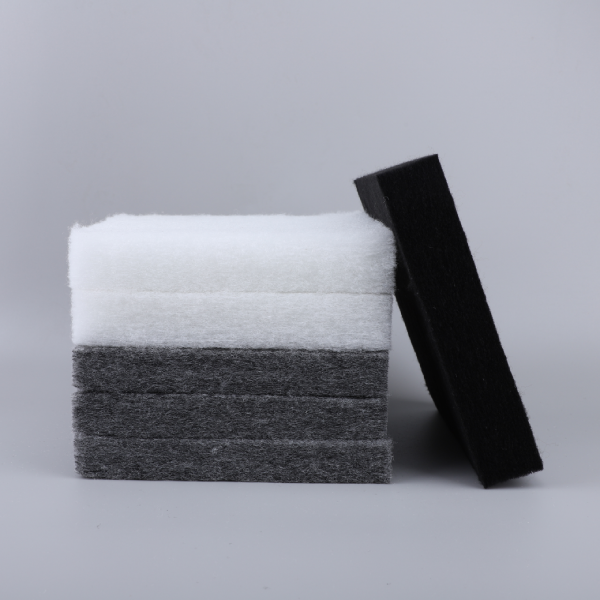
3. Why Are Flame Retardant and Fire Resistant Not the Same?
During procurement, many buyers use Flame Retardant and Fire Resistant interchangeably.
However, these terms do not describe exactly the same performance.
Flame Retardant refers to a material's ability to reduce flame spread and comply with applicable building fire performance requirements.
Fire Resistant is more commonly used to describe how a material or building assembly withstands fire exposure over a specified period and is typically evaluated as part of a complete structural system.
Therefore, when sourcing Acoustic Felt, buyers should not simply request “Fire Resistant.” They should confirm the exact fire performance and compliance standard required by the project.
4. What Fire Information Should Buyers Confirm Before an RFQ?
If a project requires Flame Retardant Acoustic Felt, the RFQ should include at least the following information:
Project type (Commercial, Office, Hotel, Public Building, etc.)
Installation location (Wall or Ceiling)
Whether the material will be used as an interior finishing material
Required fire rating or testing standard
Whether third-party fire test reports are required
Sample quantity and estimated bulk order quantity
Providing this information helps suppliers recommend a more appropriate material solution instead of quoting based only on the product name.
For long-term projects, buyers should also verify that the fire test report corresponds to the actual material specification to ensure consistency between approved samples and mass production.
5. How Can Suppliers Support Compliant Acoustic Projects?
For acoustic projects that must comply with building fire requirements, the material itself is only one part of the solution.
A qualified supplier should also provide the appropriate material structure, relevant testing documentation, and stable mass production capability based on the intended application.
HuiZhou JinHaoCheng Nonwoven Co., Ltd. can provide customized Acoustic Nonwoven and Flame Retardant Acoustic Felt solutions for commercial buildings and public spaces, with support for OEM, ODM, and stable production specifications.
For every project, the final material specification and fire performance should always be confirmed according to local regulations and engineering requirements rather than the product name alone.
Conclusion
Not every acoustic project requires a flame-retardant material.
The decision to use Flame Retardant Acoustic Felt should be based on the building type, installation location, and fire compliance requirements—not on sound absorption performance alone.
During the RFQ stage, providing the project type, installation location, and required fire standard will help suppliers recommend an acoustic material solution that is better suited to the actual engineering application.