Hot Products
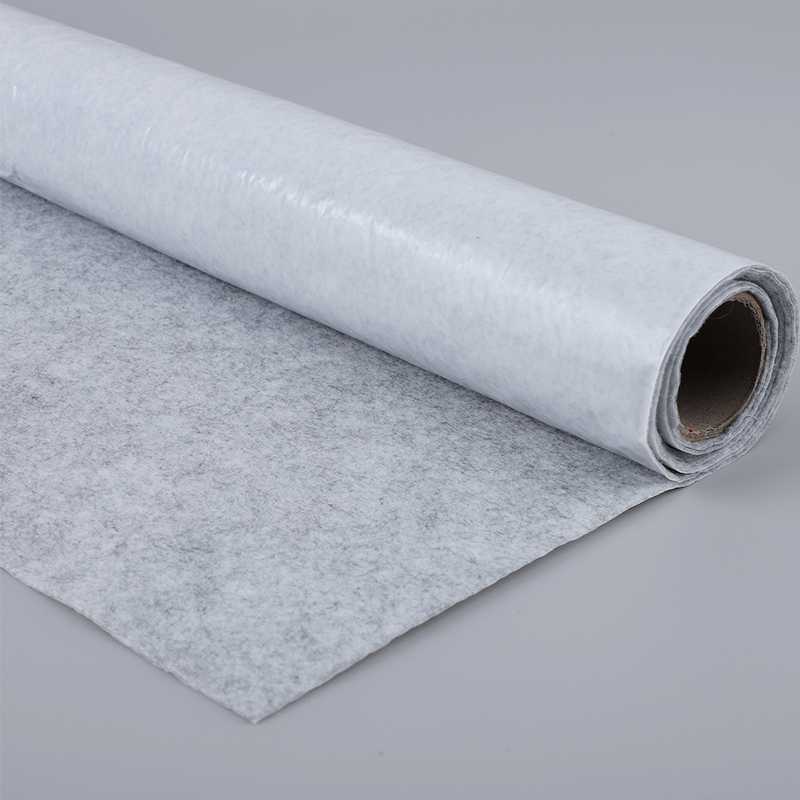
Laminated Nonwoven Fabric
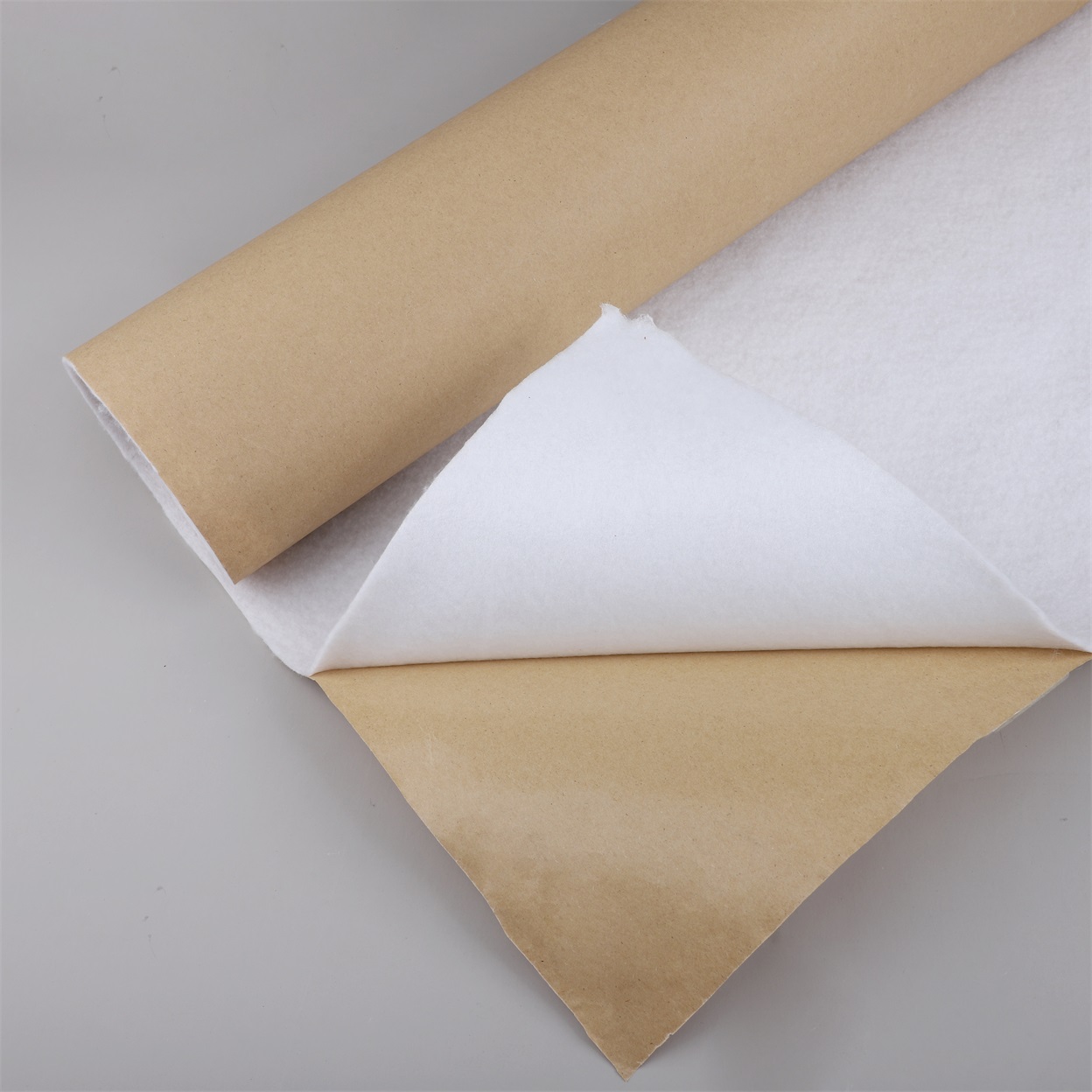
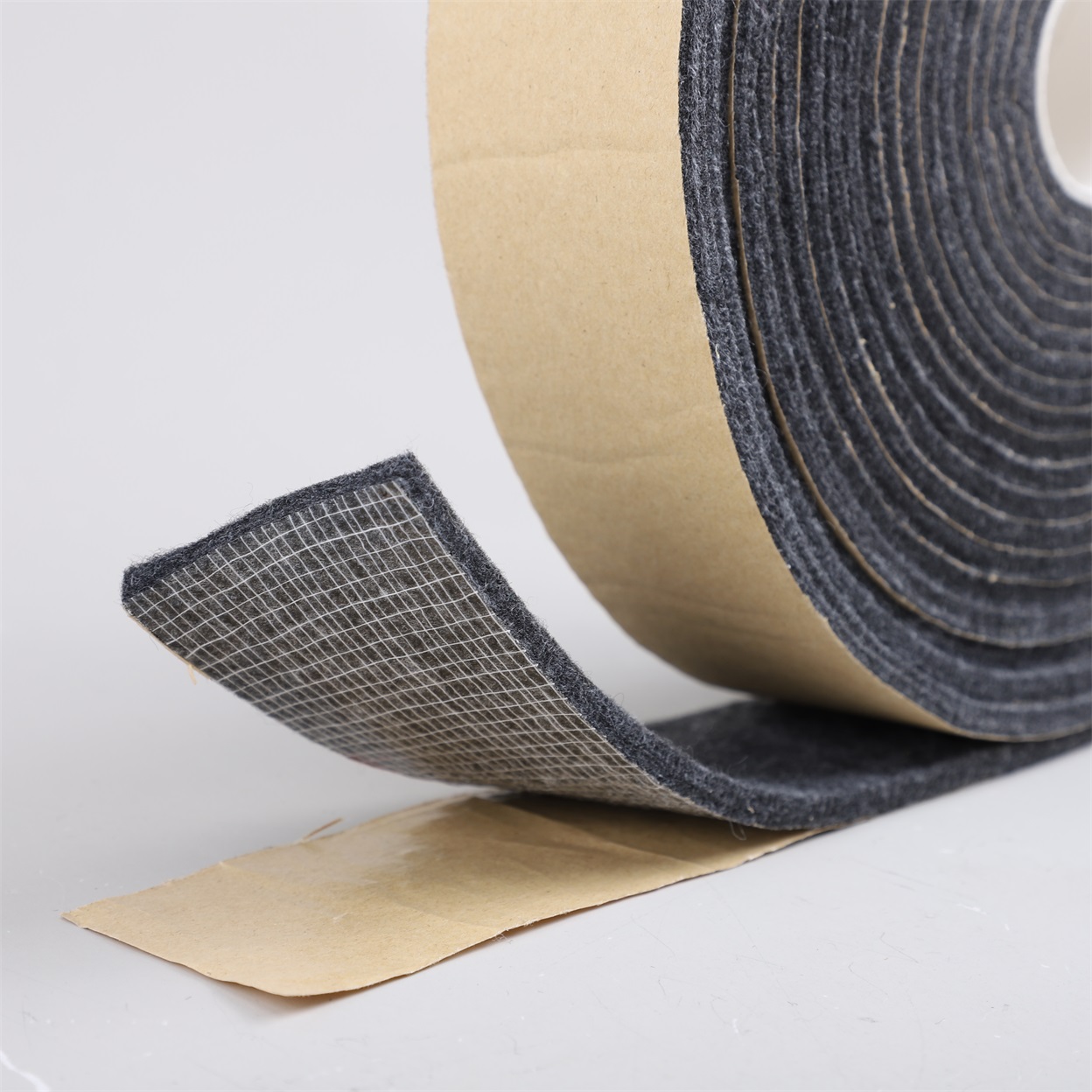
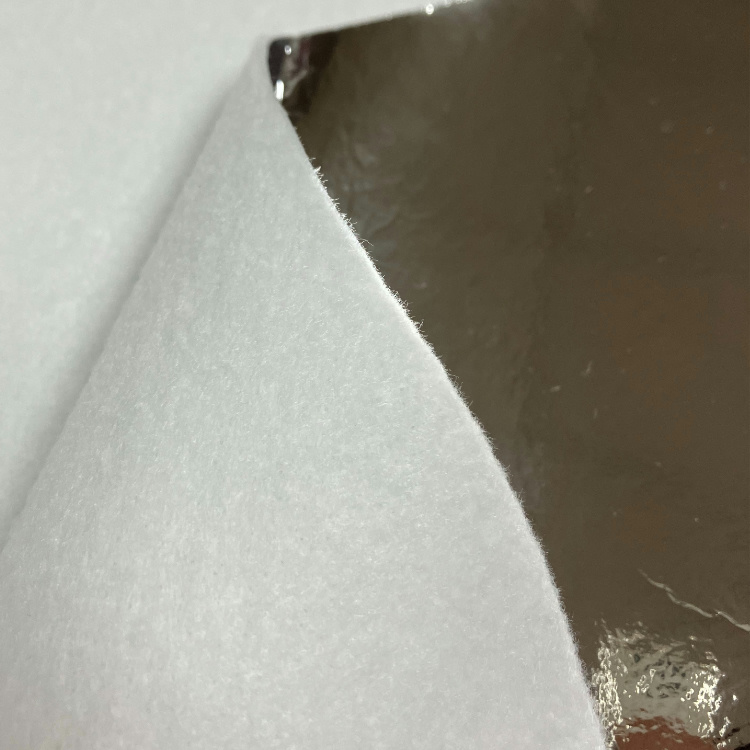
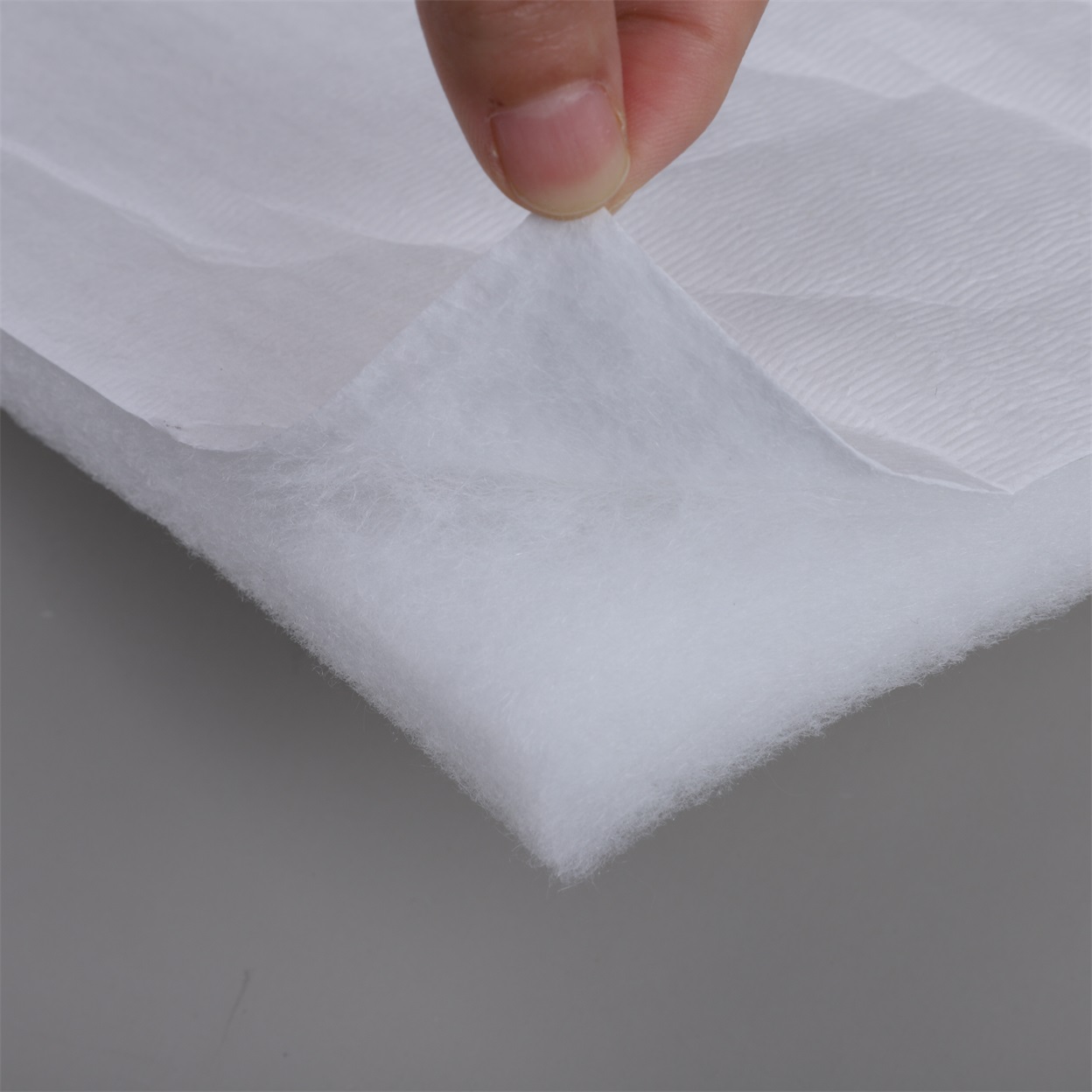
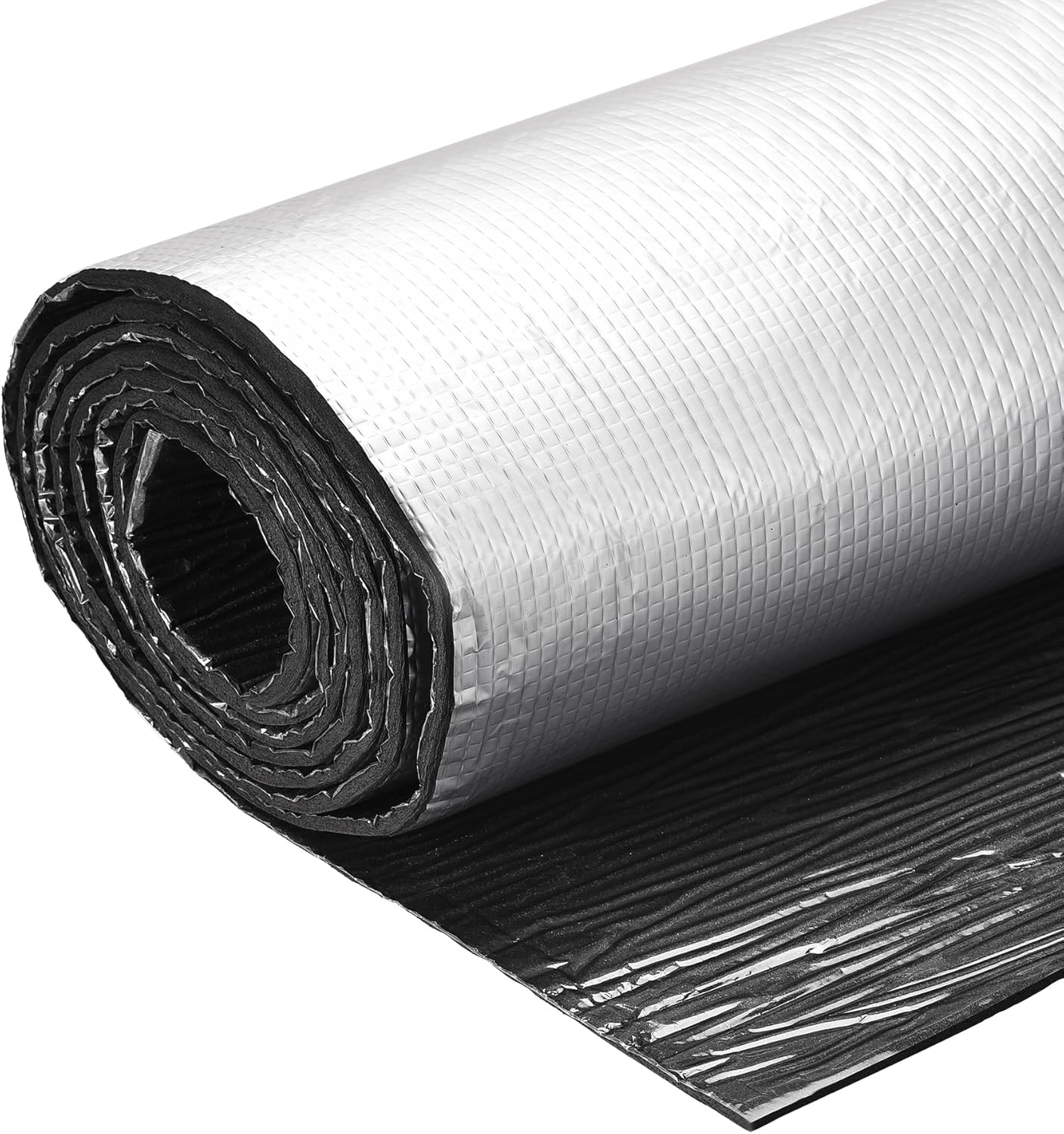
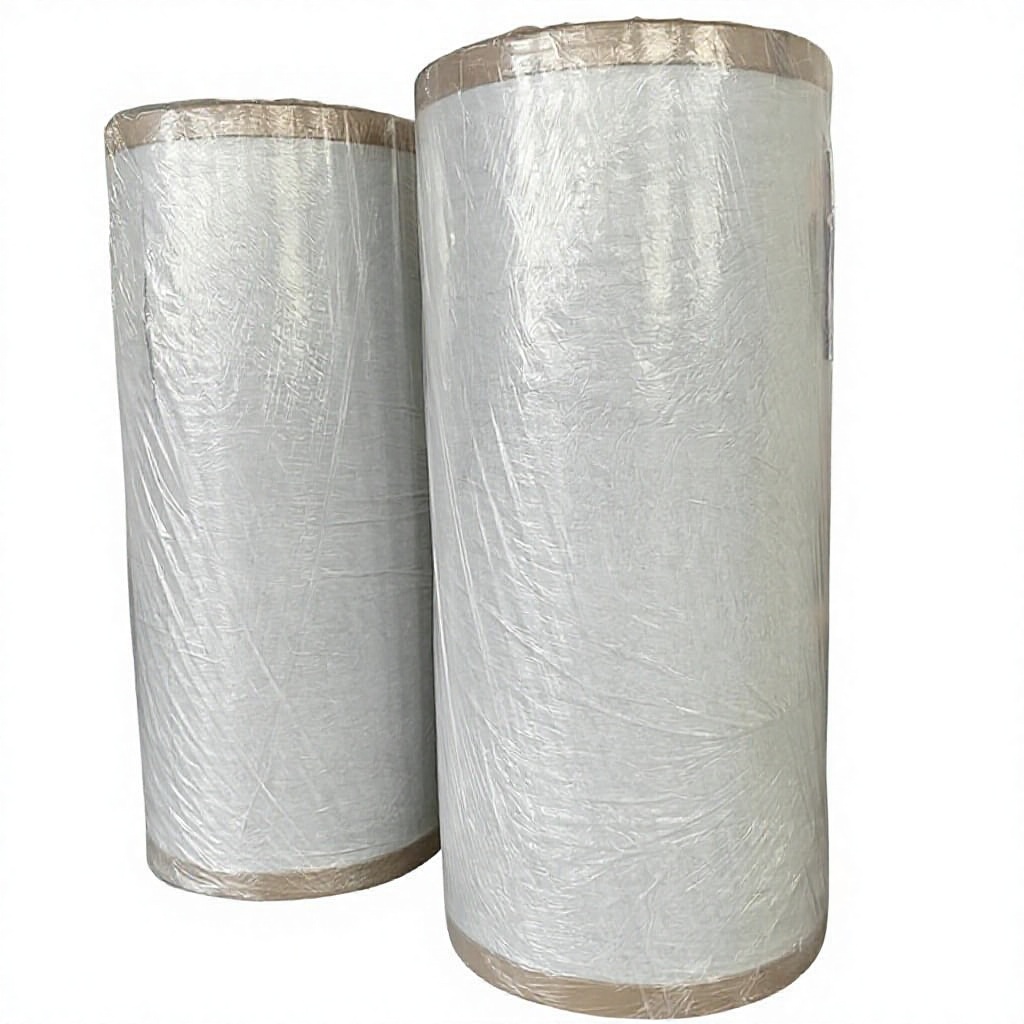
Custom Laminated Nonwoven Fabric Roll for Industrial and Commercial Applications
Custom laminated nonwoven fabric manufacturer in China. Adhesive, thermal, film and multilayer lamination solutions with OEM/ODM customization. Request a quote.
Custom Laminated Nonwoven Fabric Manufacturer
Jinhaocheng is a laminated nonwoven fabric manufacturer in China, providing customized nonwoven lamination and composite material solutions for industrial and commercial applications. By combining nonwoven fabrics with films, paper, aluminum foil, textiles and other compatible materials, we help customers develop composite structures with specific barrier properties, flexibility, strength, insulation and surface characteristics.
Our custom laminated nonwoven fabric solutions may incorporate adhesive bonding, hot-melt lamination, thermal bonding, film lamination and multilayer composite structures, depending on the selected materials and project requirements.
Whether you need needle punched laminated nonwoven fabric, film-laminated nonwoven rolls or custom multilayer composite materials, Jinhaocheng can work with you to evaluate suitable substrates, bonding methods and specifications for your intended application.
Looking for a reliable laminated nonwoven fabric manufacturer and supplier? Contact Jinhaocheng to discuss your requirements, request samples and obtain a quotation.
1. Laminated Nonwoven Fabric Overview
Laminated nonwoven fabric is a composite material made by bonding two or more layers of nonwoven fabric or combining a nonwoven substrate with another compatible material. Depending on the selected materials and construction, the finished product can be designed for moisture resistance, liquid barriers, insulation, cushioning, reinforcement, surface protection or other functional requirements.
Unlike single-layer nonwoven fabric, laminated nonwoven material combines the characteristics of different substrates in one integrated structure. The final performance depends on the base fabric, lamination material, bonding method, layer arrangement and processing conditions.
Jinhaocheng offers customized nonwoven composite material solutions for customers who require specific material combinations, functional properties and production specifications.
Product Specifications
| Specification | Details |
|---|---|
| Product Name | Laminated Nonwoven Fabric |
| Product Type | Laminated Nonwoven Fabric Roll / Composite Nonwoven Material |
| Base Material | Polyester (PET), Polypropylene (PP) and other compatible nonwoven materials |
| Nonwoven Structure | Needle Punched, Thermal Bonded or Other Available Structures |
| Lamination Processes | Adhesive Lamination, Hot-Melt Lamination, Thermal Lamination, Film Lamination and Multilayer Lamination |
| Lamination Materials | PE Film, PP Film, PET Film, Breathable Film, Aluminum Foil, Kraft Paper, PVC Film, Textiles and Other Compatible Substrates |
| Basis Weight | Customized according to the material combination and application |
| Thickness | Customized according to the composite structure and compression requirements |
| Fabric Width | Customizable, subject to production capability |
| Roll Length | Customizable according to customer requirements |
| Color | Available Colors / Custom Inquiry |
| Surface Finish | Subject to the selected materials and lamination process |
| Functional Properties | May include moisture resistance, liquid barriers, breathability, insulation, cushioning, reinforcement or surface protection, depending on construction |
| Application | Industrial, Commercial and Other Application-Specific Uses |
| Customization | OEM / ODM, Subject to Project Evaluation |
| Sample | Available for Discussion |
| Minimum Order Quantity (MOQ) | To Be Confirmed According to Material, Specifications and Order Requirements |
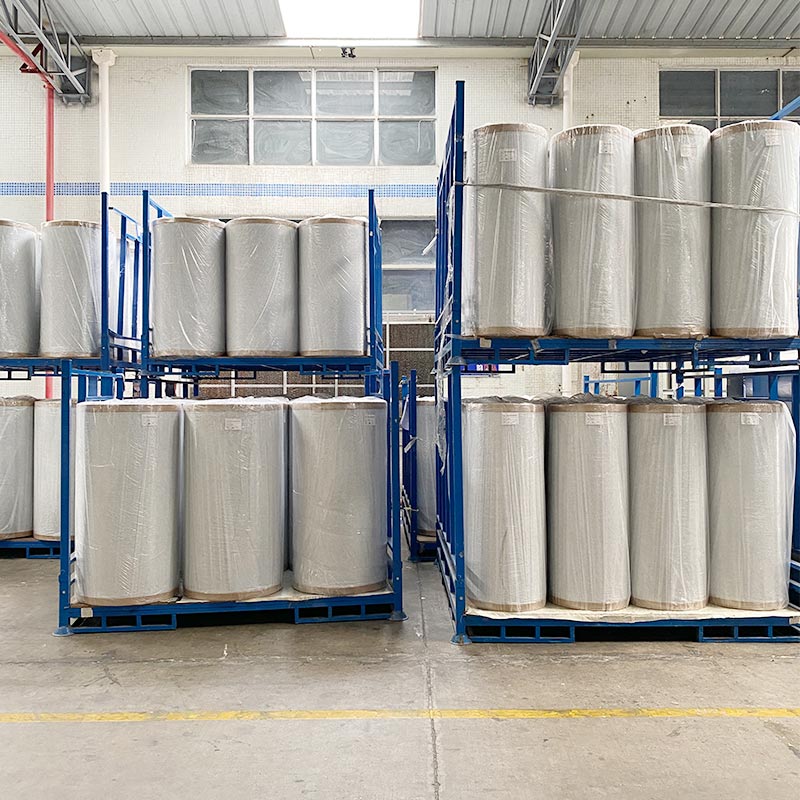
| Packaging | Customized Roll Packaging or Other Agreed Packaging Options |
| Manufacturing Origin | China |
Note: The specifications above are customizable reference options, not fixed specifications for every product. Actual material availability, dimensions, performance, minimum order quantity, sample arrangements and production tolerances must be confirmed for each project.
Key Features and Customization Options
Multiple material combinations: Combine nonwoven fabrics with polymer films, aluminum foil, paper, woven textiles and other compatible substrates.
Flexible composite structures: Develop single-sided, double-sided or multilayer constructions according to project requirements.
Application-specific performance: Select suitable materials to target moisture resistance, breathability, insulation, cushioning, surface protection or reinforcement.
Flexible specifications: Customize basis weight, thickness, width, roll length, color and other agreed parameters.
OEM and ODM support: Discuss customized material development for specific products and manufacturing processes.
Industrial roll supply: Develop material formats suitable for downstream converting, fabrication and manufacturing applications.
Not every laminated nonwoven fabric provides all these properties. For example, an impermeable film may block liquid water while also restricting air and water-vapor transmission. Breathability, flame retardancy, chemical resistance and other specialized properties depend on the actual material construction and appropriate testing.
2. Nonwoven Lamination Processes
Nonwoven lamination involves joining two or more compatible material layers to create a composite structure. The appropriate process depends on the substrates, required bonding strength, flexibility, surface appearance, production conditions and intended application.
Adhesive Lamination
Adhesive lamination uses a suitable bonding agent to join nonwoven fabric with films, paper, textiles or other compatible substrates.
Depending on the adhesive system and application method, the finished material can be designed to balance bonding strength, flexibility, softness and surface characteristics.
Important considerations include adhesive compatibility, bonding coverage, curing conditions, odor requirements and resistance to environmental conditions during use.
Relevant keywords: Adhesive Laminated Nonwoven Fabric, Adhesive Bonded Nonwoven Fabric, Custom Nonwoven Lamination.
Hot-Melt Lamination
Hot-melt lamination uses a thermoplastic adhesive that is heated to bond compatible material layers. It can be suitable for applications requiring a controlled adhesive layer and consistent bonding.
Adhesive selection and application patterns influence the composite's flexibility, bonding strength and surface feel. Breathability depends on the adhesive system, coverage pattern and complete material construction.
Relevant keywords: Hot Melt Laminated Nonwoven Fabric, Hot-Melt Adhesive Bonding, Nonwoven Lamination Manufacturer.
Thermal and Heat Lamination
Thermal lamination uses heat, pressure or a combination of both to join compatible materials. Depending on the construction, the process may use thermoplastic layers, heat-activated bonding materials or other suitable thermal bonding mechanisms.
This approach can reduce or eliminate the need for a separate liquid adhesive in suitable constructions. The feasibility of thermal bonding depends on the melting or activation characteristics of the selected materials.
Relevant keywords: Thermal Laminated Nonwoven Fabric, Heat Laminated Nonwoven Fabric, Thermal Bonded Composite Fabric.
Film Lamination
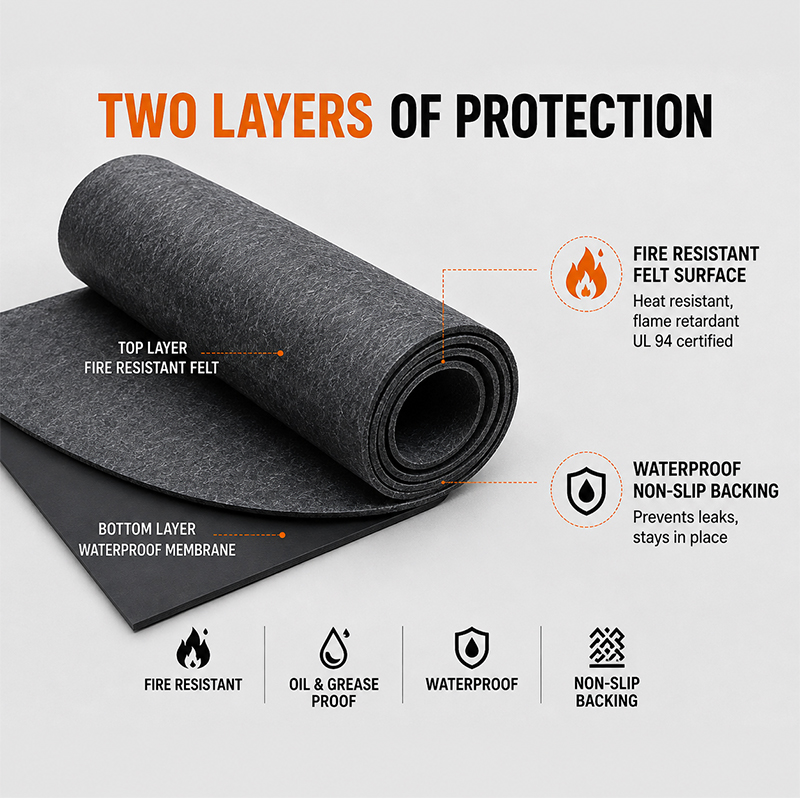
Film lamination combines nonwoven fabric with a polymer film to modify liquid resistance, moisture transmission, surface appearance or other functional properties.
Film options may include PE, PP, PET, PVC or breathable functional films, subject to compatibility and project requirements.
Film selection should consider the desired barrier performance, flexibility, temperature resistance, thickness and intended end use.
Relevant keywords: Film Laminated Nonwoven Fabric, PE Film Laminated Nonwoven Fabric, Nonwoven Film Lamination.
Multilayer Lamination
Multilayer lamination combines three or more material layers to achieve a specific combination of functions. For example, a composite structure may incorporate a nonwoven surface layer, a barrier film and a reinforcing or insulating layer.
Layer sequence, bonding method and substrate compatibility all affect the finished product's performance. Each construction should be developed around the customer's application and technical specifications.
Relevant keywords: Multilayer Laminated Nonwoven Fabric, Multilayer Composite Nonwoven Fabric, Custom Nonwoven Composite Materials.
Needle Punched and Thermal-Bonded Composite Structures
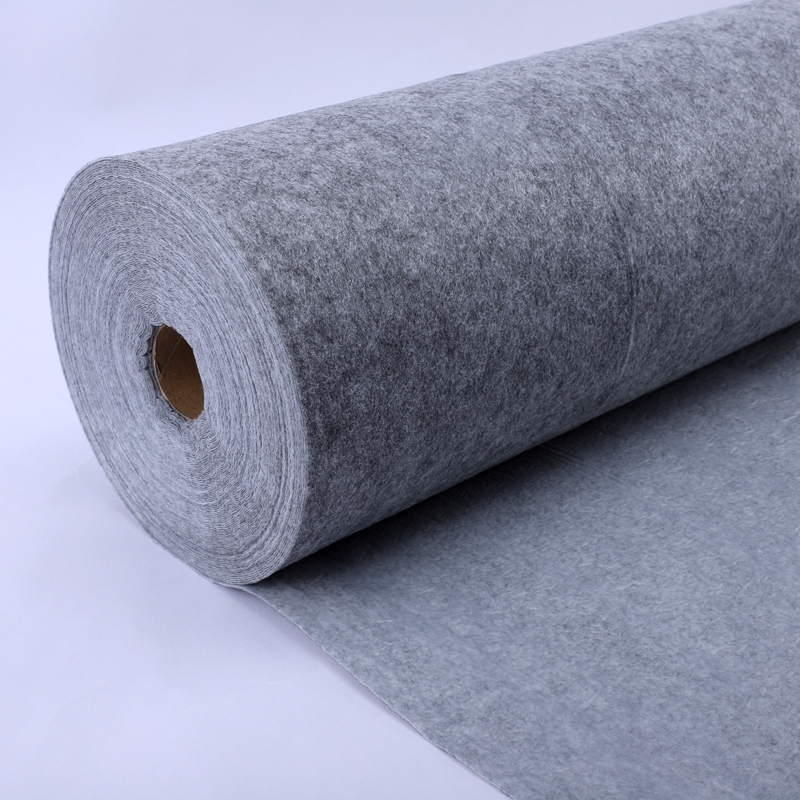
Needle punched nonwoven fabric can be combined with compatible films, textiles or other substrates to create thicker, more structured composite materials for selected industrial applications.
Thermal-bonded nonwoven layers can also be incorporated into composite constructions when their fiber composition and bonding characteristics are suitable.
The final structure can be tailored according to the required thickness, density, surface feel, flexibility and functional performance.
Relevant keywords: Needle Punched Laminated Nonwoven Fabric, Thermal Bonded and Needle Punched Composite Fabric.
3. Laminated Material Combinations
Jinhaocheng can discuss a range of substrate combinations for custom laminated nonwoven fabric projects. The final combination depends on material compatibility, required performance, production feasibility and target cost.
Nonwoven Fabric + PE Film
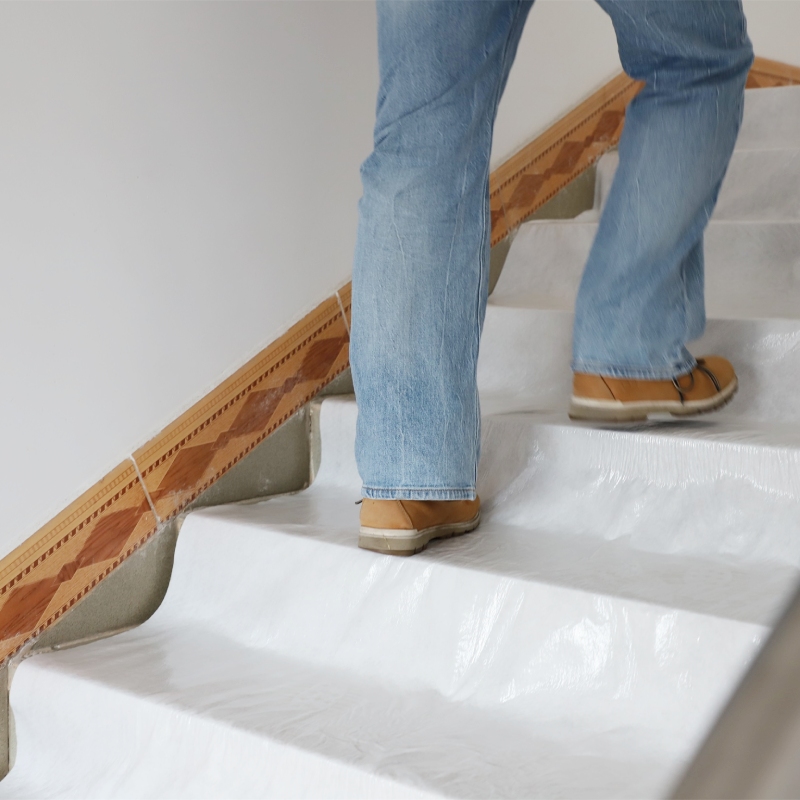
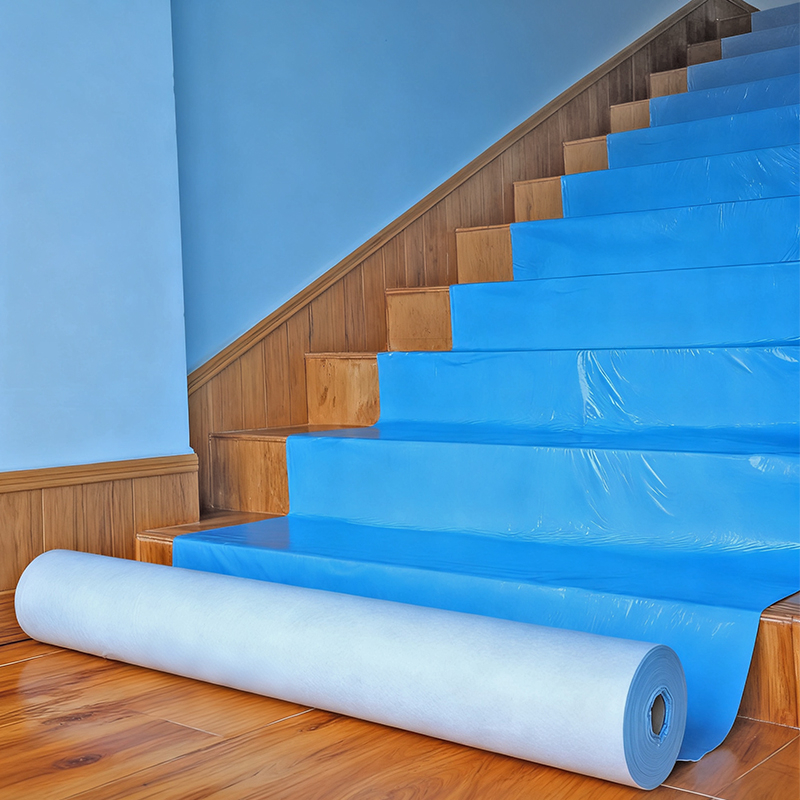
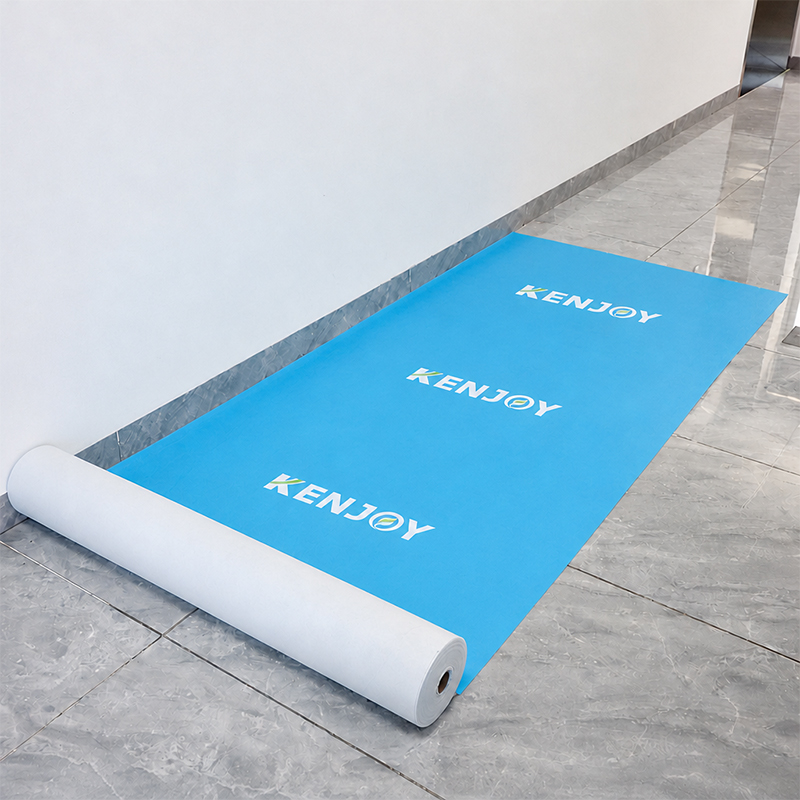
PE film is commonly selected when a composite requires a moisture or liquid barrier. Depending on the film grade and construction, PE-laminated nonwoven fabric may be suitable for protective coverings, packaging components, surface protection and selected industrial applications.
Nonwoven Fabric + Breathable Film
Breathable films can allow water vapor to pass through while limiting liquid-water penetration under specified test conditions. These materials may be considered for applications where moisture management and liquid protection are both important.
Performance depends on the film structure, bonding method and test conditions.
Nonwoven Fabric + Aluminum Foil
Aluminum foil can provide a reflective surface and an additional barrier against light, moisture or gases, depending on foil integrity and the complete composite structure.
Foil-laminated nonwoven materials may be considered for selected insulation facings, protective coverings and industrial composite applications. Thermal performance depends on the overall construction and installation conditions.
Nonwoven Fabric + Kraft Paper
Paper-laminated nonwoven materials combine a fibrous nonwoven layer with a paper surface. Depending on the selected grades, this construction may be useful for packaging, protective interlayers, reinforcement and other industrial applications.
Nonwoven Fabric + PVC Film
PVC film can provide a different surface appearance, flexibility and resistance profile compared with other polymer films. Its suitability depends on the specific PVC formulation, substrate compatibility, environmental requirements and intended application.
Nonwoven Fabric + Other Nonwoven or Textile Layers
Two or more nonwoven layers can be combined to create a composite with different surface characteristics, thickness or functional properties. Compatible woven fabrics, scrims and other textile materials may also be considered for reinforcement or specialized constructions.
For projects requiring specific layer arrangements, customers can provide a drawing, sample or description of the desired material structure for technical evaluation.
4. Custom Composite Material Solutions
As a custom laminated nonwoven fabric supplier, Jinhaocheng works with customers to identify suitable material combinations and specifications for their applications.
Rather than offering only one standard laminated construction, we can discuss project requirements involving different base fabrics, bonding methods, functional layers and finished formats.
Customization Parameters
Base material: Polyester (PET), polypropylene (PP), viscose blends and other compatible nonwoven substrates, depending on product requirements.
Nonwoven structure: Needle punched, thermally bonded or other suitable nonwoven structures, subject to production capability.
Lamination material: PE film, PP film, PET film, breathable film, aluminum foil, kraft paper, PVC film, textile layers or other compatible materials.
Bonding process: Adhesive lamination, hot-melt bonding, thermal lamination or other technically suitable methods.
Basis weight: Customized according to the substrate, added layers and target finished weight.
Thickness: Adjusted according to the material combination, compression and application requirements.
Width and roll length: Specified according to the converting process and customer's production needs.
Color and surface appearance: Discuss options such as natural, white, black or other colors where available.
Functional requirements: Evaluate moisture resistance, breathability, flexibility, cushioning, insulation, reinforcement and other project-specific properties.
Actual specifications, minimum order quantities, available materials and production tolerances should be confirmed for each project.
Potential Applications
Depending on the material structure and validated performance, laminated nonwoven composites may be considered for:
Industrial protective coverings and surface protection
Packaging materials and protective interlayers
Building and construction materials
Thermal insulation facings and reflective composite layers
Automotive interior and trim components
Mattress, upholstery and furniture components
Agricultural and horticultural materials
Selected medical and hygiene material components
Filtration support layers and industrial technical materials
Customized OEM composite products
These are potential application areas, not a claim that every construction is suitable for every industry. Medical, food-contact, flame-retardant and other regulated applications require appropriate material selection, testing and documentation.
5. OEM & ODM Laminated Nonwoven Fabric Manufacturing
Jinhaocheng supports business customers seeking customized nonwoven materials for their own products, manufacturing processes and supply chains.
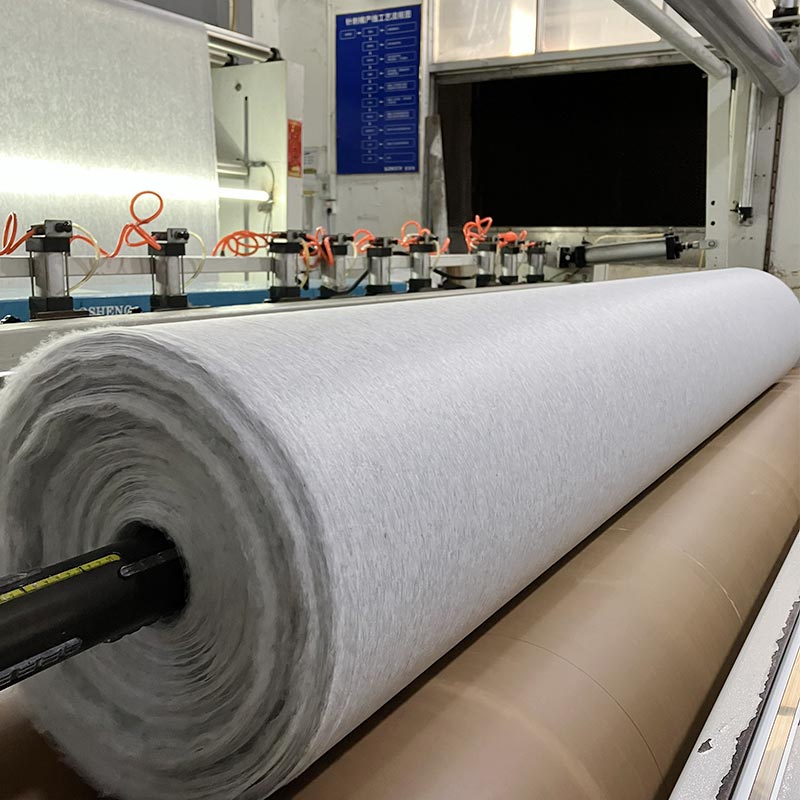
Huizhou Jinhaocheng Nonwovens Co., Ltd. was established in 2005 and operates a manufacturing facility in Huizhou, Guangdong, China. Our company has a 26,000 m² facility, 15 large automatic nonwoven production lines and annual output exceeding 10,000 tons, based on our company production information.
Our experience in nonwoven material manufacturing provides a foundation for discussing customized composite material projects, from base-material selection to agreed production specifications.
Why Work with Jinhaocheng?
Established manufacturing experience: Nonwoven production experience dating back to 2005.
Multiple nonwoven production lines: A manufacturing setup supporting a range of nonwoven material requirements.
Customized material development: Discuss substrate selection, layer structure, weight, thickness and finished dimensions.
OEM and ODM cooperation: Work toward material specifications suitable for your product and production process.
Export experience: Experience supplying customers in international markets.
Quality and compliance support: Relevant certificates and test documentation can be discussed according to the product, factory scope and intended application.
From Sample Evaluation to Bulk Orders
Share your requirements. Tell us the application, target performance, material combination and expected order volume.
Review the construction. Discuss compatible substrates, bonding methods, layer sequence and dimensional specifications.
Evaluate samples. Where feasible, arrange sample development or sample evaluation before bulk production.
Confirm specifications. Agree on the material structure, quality requirements, tolerances, packaging and order details.
Proceed with production. Manufacturing and delivery arrangements are confirmed according to the approved specifications and order terms.
For repeat orders, maintaining an agreed material specification and inspection plan helps support product consistency.
Request a Quote for Custom Laminated Nonwoven Fabric
Looking for a laminated nonwoven fabric manufacturer in China?
Whether you need adhesive laminated nonwoven fabric, film-laminated nonwoven rolls, needle punched composite materials or a multilayer nonwoven construction, Jinhaocheng can discuss a solution based on your application and technical requirements.
To help us evaluate your project, please provide:
Required base fabric and lamination material
Intended application and required performance
Target basis weight and thickness
Required width, roll length and order quantity
Any reference sample, drawing or technical specification
Applicable testing or compliance requirements