What Is Fiber Needle Punched Felt? Properties, Applications & Buying Guide
For importers, wholesalers, distributors, and industrial material buyers, understanding what fiber needle punched felt is can make a significant difference when selecting a suitable nonwoven material.
Many buyers initially compare products based on price, GSM, or thickness. However, the actual performance of needle punched felt can also depend on the fiber material, density, absorbency, abrasion resistance, flame-retardant requirements, and production consistency.
So, what exactly is fiber needle punched felt?
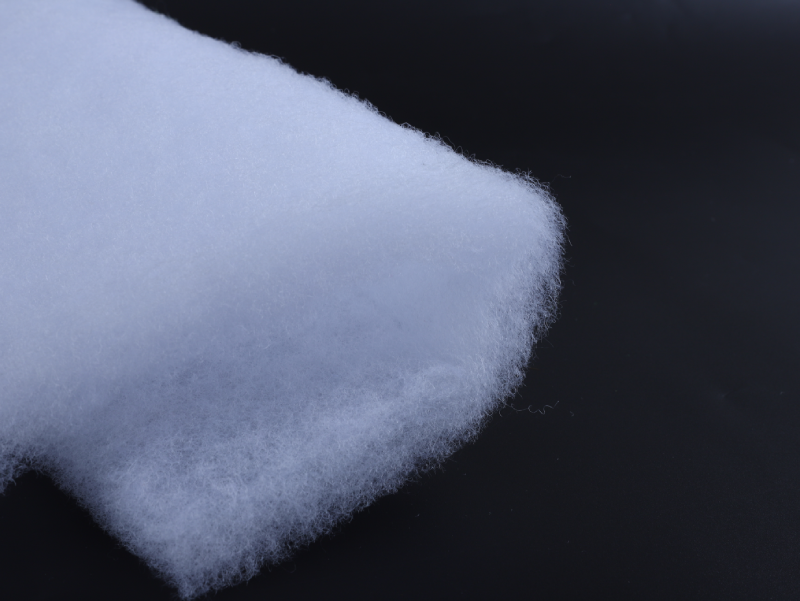
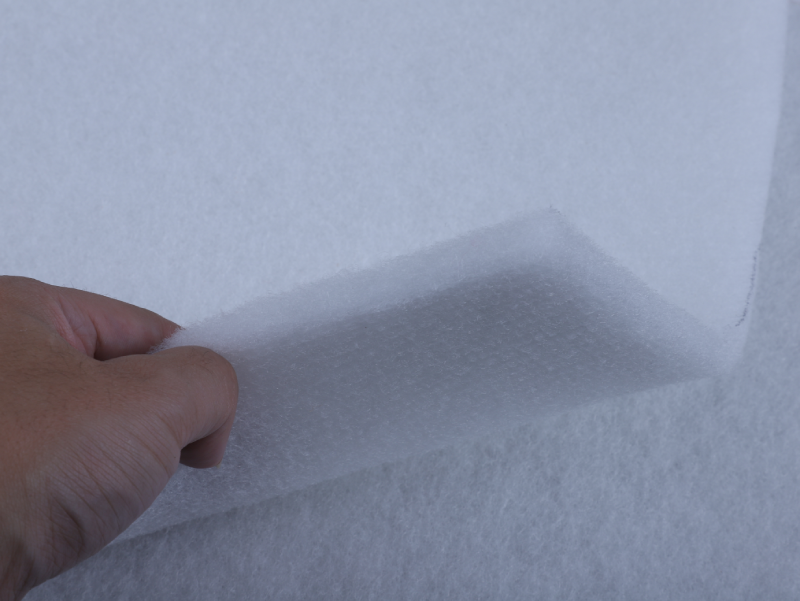
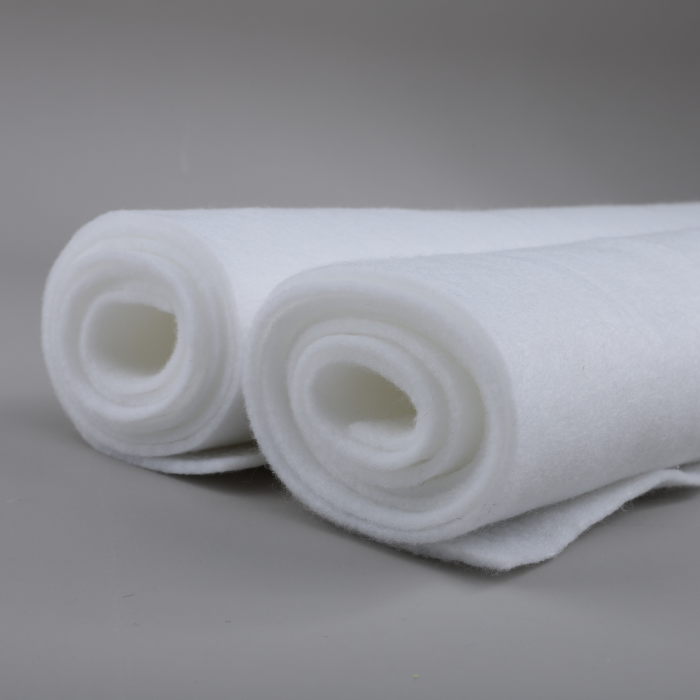
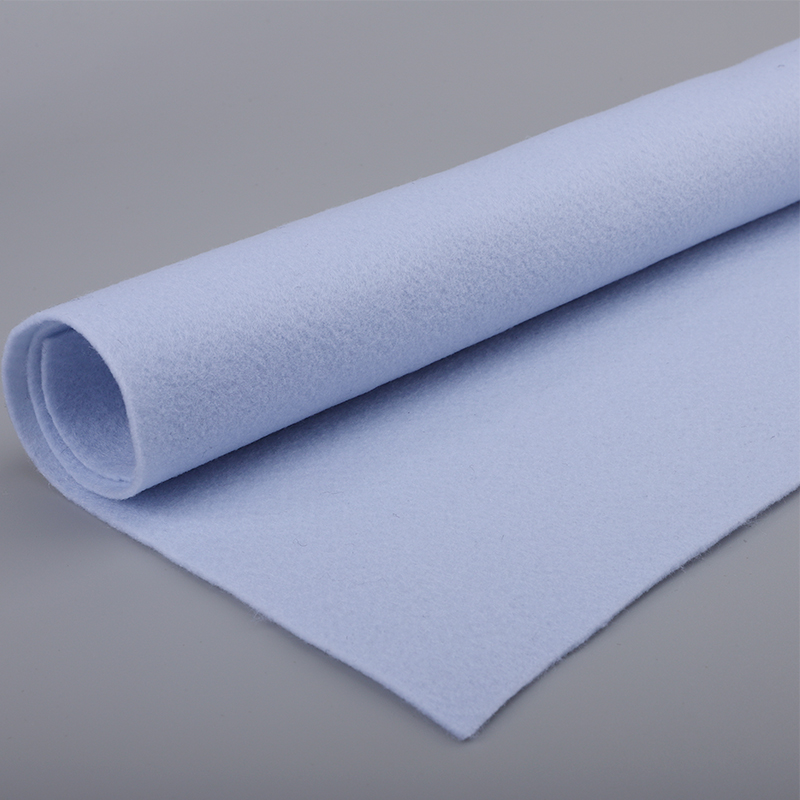
Fiber needle punched felt is a type of nonwoven material produced by mechanically entangling fibers through a needle punching process. Unlike traditional woven fabrics, it does not rely on conventional warp and weft yarns. Instead, specially designed needles repeatedly penetrate the fiber web, causing the fibers to interlock and form a stable felt-like structure.
Depending on the intended application, manufacturers can adjust the fiber type, GSM, thickness, density, color, hardness, and finishing process to create different grades of needle punched nonwoven felt.
For buyers sourcing this material in bulk, understanding these differences is essential before comparing suppliers.
What Is Fiber Needle Punched Felt?
Fiber needle punched felt is a nonwoven material made by mechanically interlocking fibers through repeated needle penetration.
During production, fibers are prepared and formed into a web before entering the needle punching stage. Barbed needles repeatedly pass through the fiber web, causing individual fibers to become entangled with one another.
This creates a three-dimensional fiber structure with specific thickness, flexibility, density, and mechanical strength.
Unlike a single fixed product specification, needle punched felt can be manufactured in a wide range of grades.
Lightweight materials can be used for lightweight covering and separation applications.
Medium-weight grades are commonly used for floor protection, painting, renovation, and general industrial applications.
Heavier grades can be developed for applications requiring greater thickness, cushioning, durability, or structural support.
This flexibility is one reason why buyers should provide specific application requirements when contacting a needle punched felt manufacturer, rather than simply asking for a generic “needle felt.”
What Materials Are Used to Make Needle Punched Felt?
Different applications require different fiber materials.
Common synthetic fibers used for needle punched nonwoven felt include polyester and polypropylene, while other specialty fibers may be selected according to the required performance.
Polyester Needle Punched Felt
Polyester is a widely used fiber for needle punched nonwoven materials.
It can provide a combination of strength, abrasion resistance, dimensional stability, and flexibility, making polyester needle felt suitable for applications such as floor protection, automotive components, industrial materials, and protective products.
For buyers purchasing repeatedly, stable polyester fiber quality can also contribute to more consistent product performance between production batches.
Polypropylene Needle Punched Felt
Polypropylene fibers are lightweight and can also be used to produce specific grades of needle punched nonwoven material.
The choice between polyester, polypropylene, or other fibers should be based on the intended application, required performance, GSM, thickness, durability, cost target, and market requirements.
Therefore, when requesting a quotation, buyers should provide more information than simply the product name.
Fiber type, GSM, thickness, width, application, and required performance can help a manufacturer recommend a more suitable specification.
What Are the Main Properties of Fiber Needle Punched Felt?
The performance of needle punched felt varies according to its fiber composition, structure, GSM, thickness, density, and finishing process.
For professional buyers, several properties are particularly important.
1. Water Absorption and Liquid Absorbency
Absorbency is an important feature for certain grades of needle punched nonwoven felt.
The interconnected fiber structure creates spaces within the material that can absorb and temporarily retain certain amounts of water or other liquids.
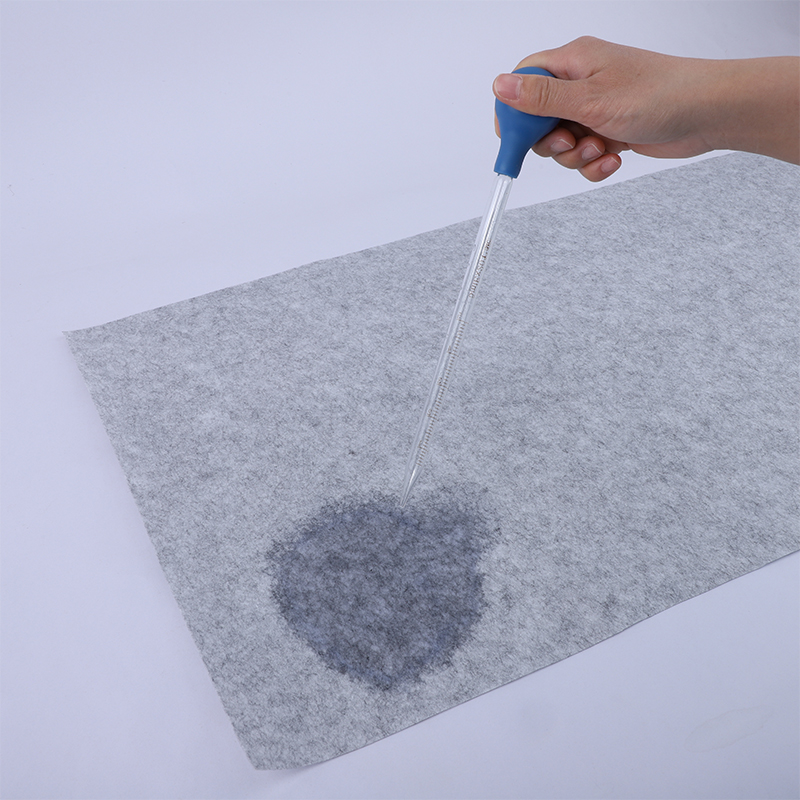
This makes absorbent needle felt suitable for applications such as:
Floor protection
Painting projects
Cleaning materials
Liquid absorption
Industrial spill control
Renovation protection
For products such as Painter Felt and Painter Cover Fleece, absorbency can help capture paint, water, and other liquid materials during construction and renovation.
However, actual absorption performance depends on the fiber type, GSM, thickness, density, and product structure.
If the application also requires protection against liquid penetration, buyers can consider a PE-backed needle punched felt structure.
The fleece layer can provide absorption, while the PE backing can act as an additional barrier underneath.
2. Flame Retardant Performance
Flame retardancy is another important consideration for certain industrial, automotive, construction, and specialty applications.
However, standard needle punched felt should not automatically be considered flame retardant.
Flame-retardant performance depends on the selected fiber materials, additives, and finishing or treatment processes.
When a project requires fire or flame resistance, buyers should clearly specify the required performance level and applicable testing standard before placing an order.
Depending on the product and application, relevant requirements may include standards such as UL94.
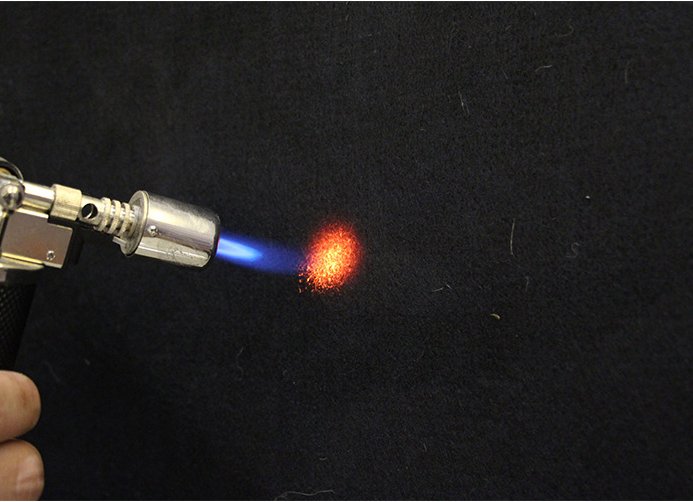
Potential applications for flame-retardant needle punched materials include:
Automotive interiors
Construction materials
Industrial protection
Equipment components
Specialized engineering applications
For buyers with specific fire-safety requirements, working directly with a manufacturer allows the material structure and finishing process to be discussed according to the project requirements.
3. Flexibility and Cushioning
The interconnected fiber structure gives needle punched felt a certain degree of flexibility and cushioning.
This makes it suitable for protecting surfaces and components from minor friction, contact, and impact during handling or installation.
For floor protection applications, the right combination of GSM and thickness can provide a soft protective layer over hardwood, tile, marble, and other finished surfaces.
4. Abrasion Resistance
In construction and industrial environments, protective materials may experience repeated foot traffic, equipment movement, folding, rolling, and handling.
Abrasion resistance is therefore an important consideration for applications requiring longer service periods.
By adjusting fiber selection, GSM, density, and needle punching parameters, manufacturers can develop different grades for different durability requirements.
For long-term projects, buyers should select the product according to the actual working environment rather than simply choosing the lowest-cost material.
5. Customizable GSM and Thickness
One of the major advantages of needle punched nonwoven materials is their flexibility in specification.
Depending on the application, buyers can request customized:
GSM
Thickness
Width
Roll length
Color
Fiber composition
Hardness
PE backing
Packaging
Flame-retardant treatment
This flexibility is particularly useful for importers, wholesalers, distributors, and private-label brands.
Instead of purchasing a fixed specification, buyers can develop products according to the requirements of their own markets.
Where Is Fiber Needle Punched Felt Used?
Because its structure and specifications can be customized, needle punched felt is used across multiple industries.
Construction and Renovation
Construction and renovation are important application areas for needle punched protective materials.
Needle felt can be converted into Floor Protection Roll, Painter Felt, and Painter Cover Fleece for protecting hardwood, tile, marble, carpet, and other finished surfaces during construction.
For painting, wall renovation, and multi-room remodeling projects, absorbent needle felt can help contain paint, water, and other liquids.
Where additional liquid protection is required, PE-backed structures can provide an extra barrier between the protective material and the finished floor.
This is one of the key application areas for a floor protection roll manufacturer and painter felt manufacturer.
Painting and Renovation
Painter Felt and Painter Cover Fleece are commonly used during painting, decoration, and renovation projects.
Different GSM and thickness options can be developed according to the level of protection required.
For applications involving paint or other liquids, buyers can also consider PE-backed products that combine an absorbent fleece layer with a liquid-resistant backing.
Automotive Applications
Needle punched nonwoven materials can be used in automotive interiors, trunk liners, seat back components, sound insulation, and other interior applications.
Automotive projects may require more precise control over:
GSM
Thickness
Abrasion resistance
Dimensional stability
Flame-retardant performance
Material consistency
For these applications, production capability and quality control are particularly important when selecting an OEM needle punched felt factory.
Industrial Applications
Needle punched felt can also be customized for industrial protection, cushioning, separation, absorption, insulation, and other functional applications.
Where the working environment involves fire-safety requirements, flame-retardant grades can be developed according to the specified performance requirements.
For industrial buyers, stable raw materials, repeatable specifications, and reliable batch consistency are often more important than simply finding the lowest initial price.
What Specifications Should Buyers Check When Sourcing Needle Punched Felt?
For importers, wholesalers, and distributors, asking for “needle punched felt” alone is usually not enough to receive an accurate quotation.
The following specifications should be confirmed before sourcing.
GSM
GSM is one of the most commonly used specifications for needle punched felt.
It affects the material's weight, thickness, density, coverage, durability, and cost.
There is no single “best” GSM for every application.
Floor protection, automotive components, industrial materials, and absorbent products may all require different GSM ranges.
Thickness
Thickness affects cushioning, handling, surface coverage, and the overall feel of the material.
Even products with the same GSM may have different thicknesses because of differences in fiber structure and manufacturing parameters.
Therefore, buyers should specify both GSM and thickness when the application requires precise product control.
Absorbency Requirements
If the material is intended for painting, cleaning, spill absorption, or liquid handling, buyers should specify the required absorbency performance.
If liquid penetration toward the surface underneath must also be reduced, a PE-backed construction may be more appropriate.
Flame-Retardant Requirements
For automotive, construction, and industrial applications, buyers should confirm whether flame-retardant performance is required.
Instead of simply asking for “fire-resistant felt,” it is better to specify the applicable testing standard and target performance level.
This allows the manufacturer to evaluate the appropriate fiber and finishing system.
Width, Roll Length, and Packaging
For importers and wholesalers, roll dimensions can affect container loading, warehousing, transportation, and retail presentation.
Width, roll length, roll diameter, packaging, labels, and private-label requirements can all be discussed during OEM production.
Why Does the Manufacturer Matter When Buying Needle Punched Felt?
Two products may look almost identical in photographs while performing differently in actual use.
This can result from differences in:
Raw material quality
Fiber composition
GSM control
Thickness control
Needle punching density
Finishing process
Slitting accuracy
Packaging
Quality inspection
For buyers purchasing several tons or full-container quantities, these differences can directly affect the consistency of their finished products and customer experience.
Working directly with an experienced needle punched felt manufacturer gives buyers better opportunities to confirm raw materials, specifications, production requirements, and quality-control procedures.
This is particularly important for long-term wholesale and OEM cooperation.
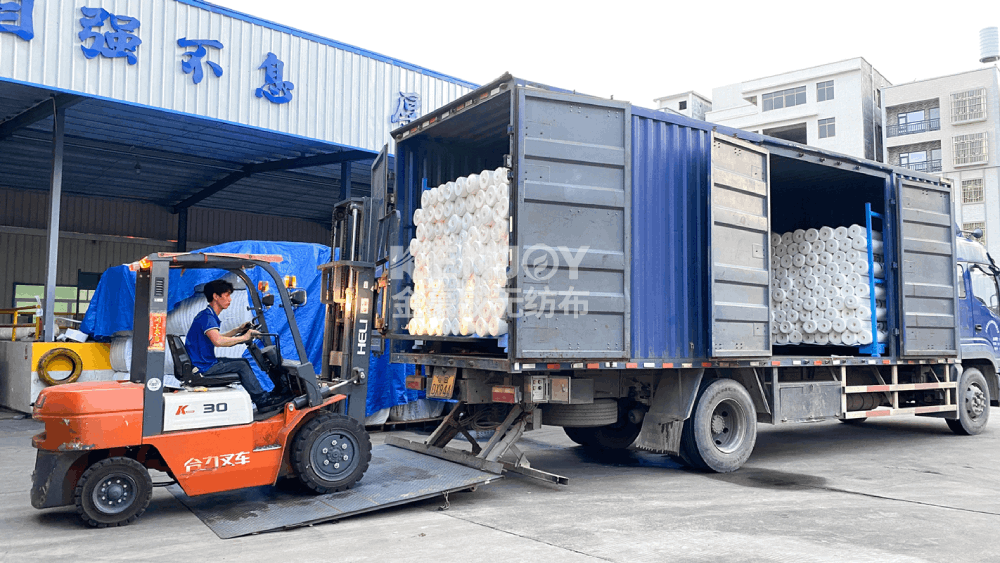
Why Choose Jinhaocheng as Your Needle Punched Felt Manufacturer?
HUIZHOU JINHAOCHENG NONWOVENS CO., LTD. is a professional nonwoven manufacturer based in Guangdong, China, with manufacturing experience dating back to 2005.
The company operates a production facility of approximately 26,000 square meters, equipped with 15 automated production lines and an annual production capacity exceeding 10,000 tons.
As a needle punched nonwoven felt manufacturer, Jinhaocheng supplies standard needle punched materials while also supporting OEM, ODM, and customized product development.
Depending on the application, buyers can discuss customized:
GSM
Thickness
Width
Color
Fiber composition
PE backing
Flame-retardant requirements
Packaging
This allows importers, wholesalers, and distributors to develop products according to their target markets instead of being limited to a fixed specification.
For floor protection and painting applications, Jinhaocheng also supplies Floor Protection Roll, Painter Felt, and Painter Cover Fleece, providing different nonwoven solutions for construction and renovation projects.
The company maintains certifications and compliance capabilities including OEKO-TEX STANDARD 100, ISO9001, ISO13485, ISO14001, ISO45001, IATF16949, GRS, and BSCI, along with requirements related to UL94, REACH, RoHS, and MSDS depending on the product and customer application.
By managing raw material selection, production, quality control, and finished-product processing within an integrated manufacturing system, Jinhaocheng is positioned to support customers looking for a reliable needle punched felt factory in China.
From Needle Punched Felt to Customized Nonwoven Solutions
Fiber needle punched felt is not a single standardized material.
Its final performance can vary significantly according to fiber type, GSM, thickness, density, and finishing treatment.
Depending on the formulation and manufacturing process, needle punched felt can be developed with different levels of absorbency, cushioning, abrasion resistance, and flame-retardant performance for specific applications.
For buyers sourcing materials for floor protection, painting, automotive, construction, or industrial applications, the most suitable product should be selected according to the actual working environment and technical requirements.
If you are looking for an experienced needle punched felt manufacturer, nonwoven felt manufacturer China, or custom nonwoven felt manufacturer, Jinhaocheng can provide OEM, ODM, and customized solutions.
Contact Jinhaocheng for customized needle punched felt and nonwoven material solutions.