Introduction: Floor Protection - The Most Underestimated Critical Step in Renovation
When you invest thousands of dollars in home renovation, the last thing on your mind is often protecting your existing floors. However, statistics show that floor damage during renovation is one of the most frequently reported unexpected expenses by homeowners, with average repair costs ranging from $1,200 to $3,000. Professional contractors know this well: Proper floor protection is not an expense; it's an investment. Choosing the right floor protection film can prevent scratches, stains, dents, and chemical damage, saving you significant time, money, and stress.
The floor protection market offers various options, from basic plastic sheeting to professional-grade multi-layer systems. This guide will demystify the selection process to ensure your floors emerge unscathed from the renovation storm.
Chapter 1: A Comprehensive Analysis of Floor Protection Film Types
1.1 Polyethylene Plastic Sheeting
Characteristics: The most economical and common choice, typically 0.3-2.0 mils thick
Advantages: Excellent waterproofing, lightweight, low cost
Disadvantages: Prone to tearing, poor slip resistance, may slide on floors
Best Use Cases: Short-term waterproof protection, dust control
Pro Tip: Choose versions with non-slip coatings; avoid using alone in walking areas
1.2 Non-Woven Floor Protection Film
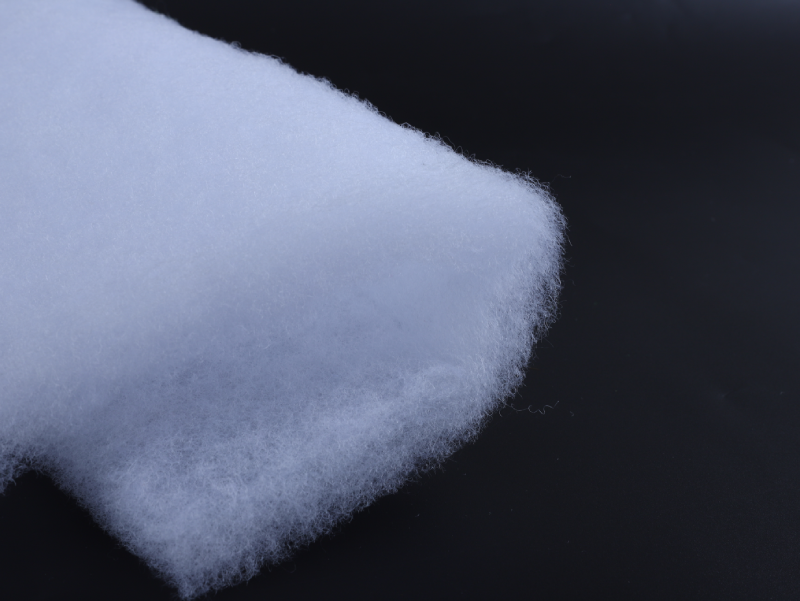
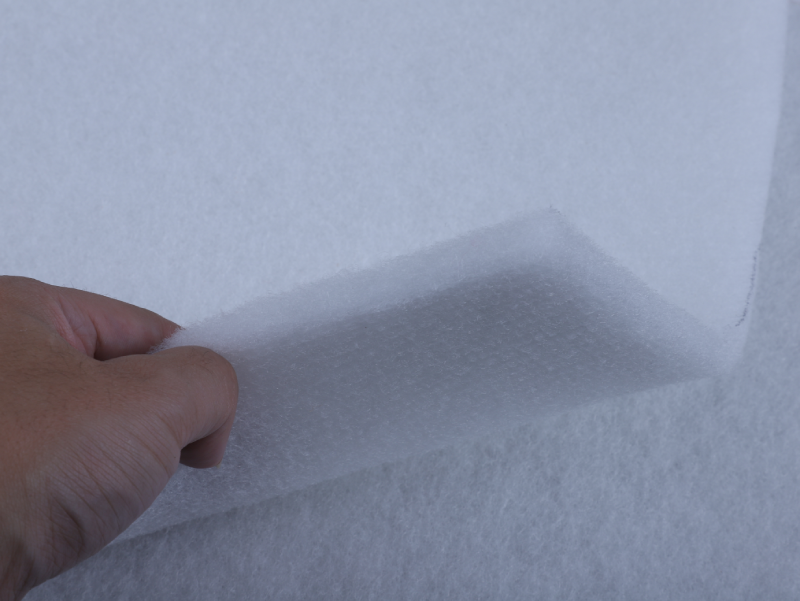
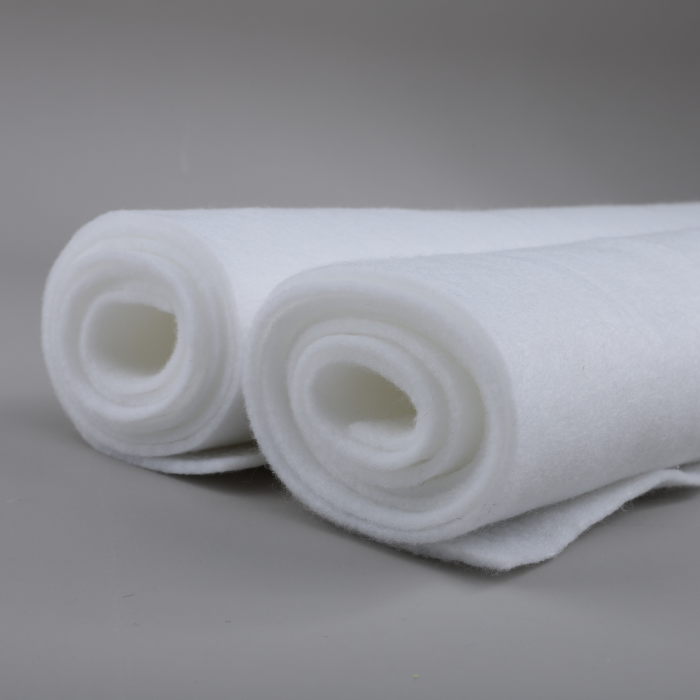
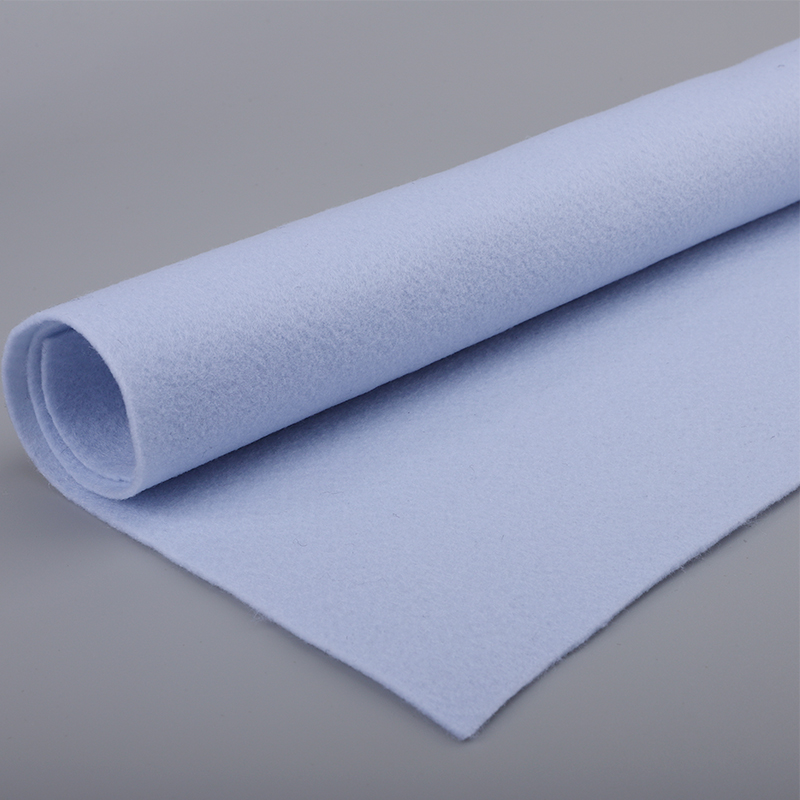
Characteristics: Made from synthetic fibers bonded mechanically, thermally, or chemically
Advantages: Excellent slip resistance, breathable, absorbs minor spills, comfortable to walk on
Disadvantages: Limited waterproofing, more expensive than polyethylene
Best Use Cases: Medium-risk renovations, areas requiring frequent foot traffic
Pro Tip: Look for products with higher grammage (≥90gsm) for better protection
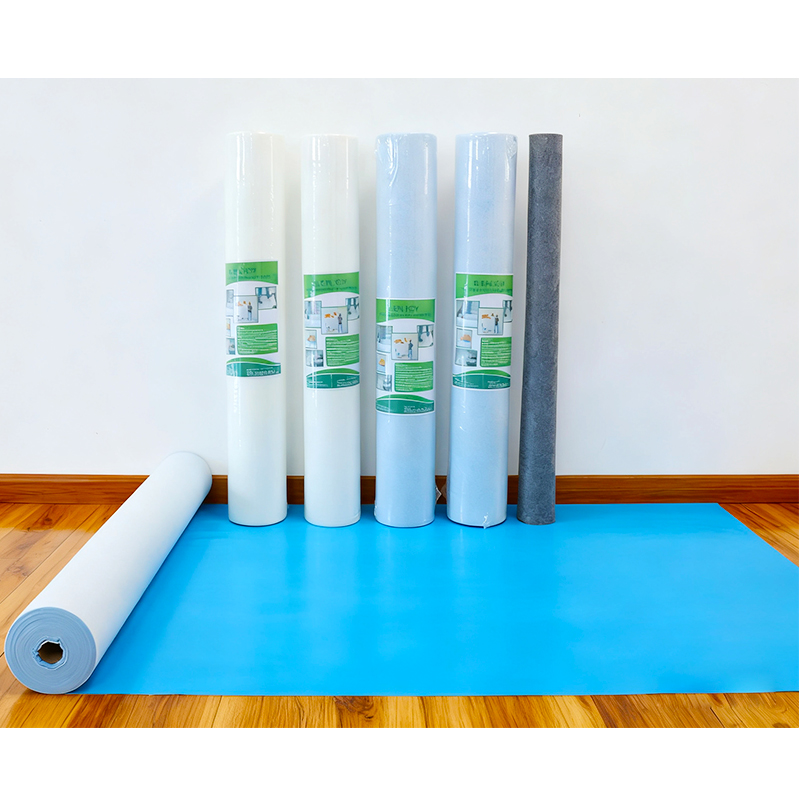
1.3 Composite Protection Film (Multi-layer Structure)
Characteristics: Combines advantages of multiple materials, typically three-layer structure
Typical Structure: Top wear-resistant layer, middle absorbent layer, bottom non-slip layer
Advantages: Comprehensive protection, high durability, suitable for high-risk projects
Disadvantages: Higher price, may be more difficult to install
Best Use Cases: Heavy renovations, commercial projects, long-term protection
Pro Tip: Check the thickness of the middle layer, which determines impact resistance
1.4 Canvas and Heavy-Duty Protective Covers
Characteristics: Traditional protective materials, extremely durable
Advantages: Nearly tear-proof, reusable dozens of times
Disadvantages: Expensive, bulky, may not be waterproof
Best Use Cases: Areas with high risk of tool drops, stair protection
Pro Tip: Choose canvas with waterproof coating for wet work areas
Chapter 2: Key Selection Factors: Considerations Beyond Price
2.1 Thickness and Density: Core Indicators of Protective Capability
Thickness isn't everything, but it's almost everything. However, thickness standards vary for different materials:
Polyethylene: Measured in mils (1 mil = 0.001 inch). Lightweight: 1-2 mils; Medium-duty: 3-4 mils; Professional-grade: 6 mils+
Non-woven: Measured in grammage (gsm). Standard: 70-90gsm; Premium: 100-130gsm; Professional: 150gsm+
Composite film: Measure total thickness, ideal range 1.5-3.0mm
Professional Advice: For projects lasting over one week, choose at least 3-mil polyethylene or 100gsm non-woven.
2.2 Slip Resistance: Dual Assurance of Safety and Protection
Poor slip resistance is a major cause of accidents and floor damage. Assessment methods:
Surface treatment: Textured surfaces are better than smooth surfaces
Bottom layer technology: Rubberized dot matrix bottom > Full coating > No treatment
Practical testing: Request samples before purchase, test slip resistance on your floor type
2.3 Wear and Tear Resistance & Puncture Resistance
What must floor protection film withstand?
Tool drops: Hammers, screwdrivers, etc.
Equipment movement: Ladders, carts, scaffold wheels
Sharp objects: Nails, screws, tool edges
Key Questions: Ask suppliers about puncture resistance rating (ASTM D1709 standard) and abrasion cycles (Taber test).
2.4 Chemical Resistance
Common threats during renovation:
Paints and coatings: Latex paint, oil-based paint, stains
Solvents: Thinners, cleaners, adhesive removers
Construction materials: Drywall mud, cement, caulk
Important Note: Polyethylene has good resistance to most chemicals, but some solvents may degrade it. Non-woven may absorb liquids and require timely cleanup.
Chapter 3: Customized Protection Solutions Based on Floor Type
3.1 Hardwood Floors: The Most Vulnerable Surface
Hardwood floors are susceptible to:
Recommended Protection Plan:
Base layer: Non-woven protection film (prevents micro-scratches)
Middle layer: Medium-density foam (3-5mm, absorbs impact)
Top layer: Thick polyethylene (6 mils+, liquid protection)
Edges: Low-tack painter's tape (3M blue tape)
3.2 Laminate and Engineered Wood Floors
Slightly more durable than hardwood, but still need protection:
Recommended Protection Plan:
Slip-resistant non-woven protection film (100-130gsm)
Add rigid protective boards (plywood) in key areas
Extra sealing at seams (using specialized floor protection tape)
3.3 Tile and Stone
Main threats:
Recommended Protection Plan:
Cushioned protection film (with middle foam layer)
Heavy-duty canvas for tool-intensive areas
Avoid materials that may stain in direct contact with light-colored grout
3.4 Carpet
Unique challenges:
Recommended Protection Plan:
Professional carpet protection film (usually plastic-coated fabric)
Rigid boards to distribute weight of heavy equipment
Frequent cleaning of film surface to prevent particle embedding
Chapter 4: Selection Based on Renovation Project Phase
4.1 Demolition and Structural Work Phase (Highest Risk)
Characteristics: Heavy object drops, sharp debris,A large amount of dust,Recommendations:
Composite protection film (≥2mm total thickness)
Or 6-mil polyethylene + separate 1/4-inch plywood layer
Professional heavy-duty canvas for tool-intensive areas
4.2 Electrical, Plumbing, HVAC Installation
Characteristics: Medium-weight tools,A small amount of liquid, frequent walking
Recommendations:
Slip-resistant non-woven protection film (120gsm+)
Supplement with rigid boards in key areas
Use protection film channel systems to create safe pathways
4.3 Drywall and Plastering Phase
Characteristics: Dust generation, small mud splatters, cart movement
Recommendations:
Non-woven protection film (absorbs minor moisture)
Or 4-6 mil polyethylene (easy-clean surface)
Edge sealing to prevent dust penetration
4.4 Painting and Finishing Phase
Characteristics: Liquid splatters, frequent color changes, detail work
Recommendations:
Disposable plastic sheeting near walls
Non-woven protection film for walking areas
Low-tack tape for protecting edges and trim
Chapter 5: Environmental and Health Safety Considerations
5.1 Volatile Organic Compounds (VOCs)
Some plastic protection films may emit VOCs, especially in warm environments:
Choose products labeled "low-VOC" or "odor-free"
Look for products certified by GREENGUARD or FloorScore
Maintain ventilation during use in living spaces
5.2 Recyclability and Sustainability
Polyethylene: Usually recyclable (LDPE #4), but needs cleaning
Non-woven: Some products use recycled polyester; some manufacturers offer take-back programs
Composite film: May be difficult to separate for recycling; choose brands with full recyclability
5.3 Anti-Mold and Antimicrobial Treatments
For long-term projects or humid environments:
Ask about antimicrobial treatments (especially for non-woven products)
In humid climates, regularly check under the protection film
Consider breathable materials to prevent moisture buildup
Chapter 6: Professional Installation Tips and Common Mistakes
6.1 Correct Installation Steps
Thoroughly clean the floor: Any particles can cause scratches under the film
Plan the pathway: Start from the farthest point, work toward the exit
Overlap principle: Minimum 6-inch edge overlap
Taping technique: Tape only the film edges, not the floor
Seam reinforcement: Use heavy-duty tape in high-traffic areas
Regular inspection: Check daily for damage and displacement

6.2 Common Mistakes and How to Avoid Them
Mistake 1: Using tape directly on the floor
Solution: Use only low-tack tape, test a small area first
Mistake 2: Film too thin for actual use
Solution: Use multiple layers or upgrade material in high-risk areas
Mistake 3: Neglecting edges and corners
Solution: Use specialized corner protectors or extra folded protection
Mistake 4: Film displacement exposing areas
Solution: Ensure sufficient overlap and edge securing
Chapter 7: Cost-Benefit Analysis: Saving Money or Wasting Money?
7.1 Price Range (per 100 square feet)
Basic polyethylene sheeting: $5-$15
Standard non-woven protection film: $20-$40
Professional composite protection film: $50-$120
Heavy-duty canvas/reusable systems: $100-$300 (but reusable)
7.2 Hidden Cost Considerations
Floor repair costs: Hardwood floor repair can reach $8-$12 per square foot
Time costs: Cleaning stains on unprotected floors may take hours
Relationship costs: Contractors may work slower if worried about damage
Health costs: Chemicals seeping into floors may cause long-term issues
7.3 Return on Investment Calculation
Example: 300 square feet of hardwood floor protection
Option A: Basic protection ($50 materials), but 3 floor damages
Repair cost: $900
Total cost: $950
Option B: Professional protection ($250 materials), zero damage
Repair cost: $0
Total cost: $250
Savings: $700 + avoided stress and time
Chapter 8: Product Recommendations and Buying Guide
8.1 Budget Options (Limited-budget Projects)
Ramsond 4-mil Polyethylene Sheeting: Good waterproofing, suitable for dry work
Pro Grade 90gsm Non-Woven Protection Film: Basic slip resistance, suitable for short-term projects
Buying Advice: Local hardware stores, check for damage
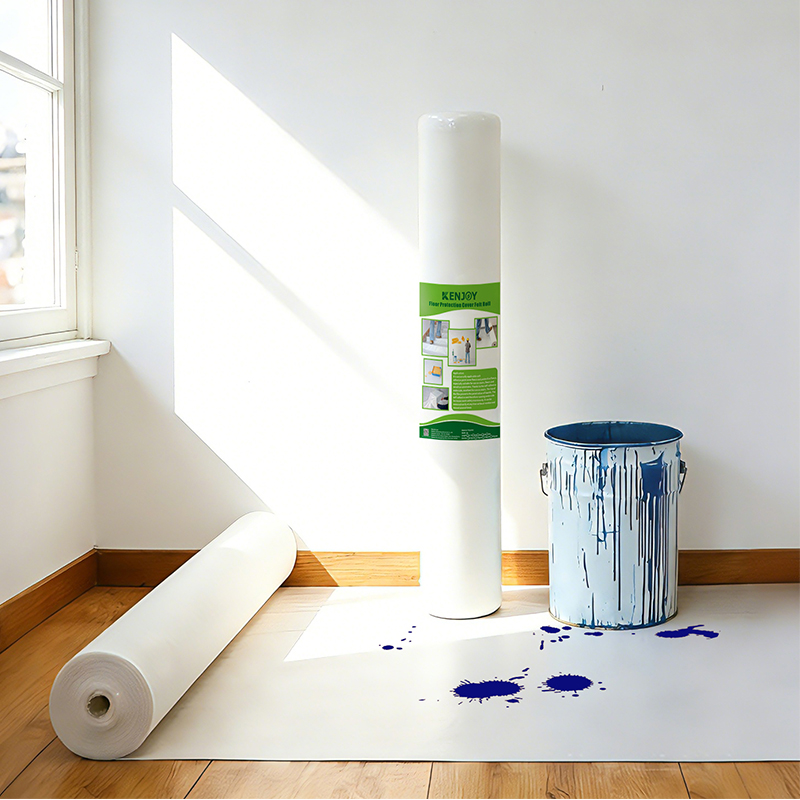
8.2 Mid-Range All-Purpose (Most Residential Projects)
3M Nomad 100 Recyclable Mat: Office standard, good slip resistance
Trimaco Ulti-Mate Multi-Layer Protection Film: Balanced protection and cost
Buying Advice: Online professional suppliers(Huizhou Jinhaocheng Nonwovens), consider bulk discounts
8.3 Professional-Grade Solutions (High-end Floors, Commercial Projects)
Protective Products 2mm Composite Protection System: Ultimate protection, reusable
Suprotex Stair and Turn Specialty Protection: Solutions for complex areas
Buying Advice: Contact manufacturers Huizhou Jinhaocheng Nonwovens directly or authorized distributors
8.4 Purchase Channel Comparison
Local Hardware Stores: Immediate availability, can inspect quality, but limited selection
Professional Renovation Suppliers: Expert advice, high-quality options, may require business account
Online Retailers: Widest selection, competitive pricing, but shipping costs and wait times
Direct from Manufacturers(Huizhou Jinhaocheng Nonwovens): Custom sizes, bulk discounts, but minimum order requirements
Chapter 9: Professional Contractor Inside Tips
9.1 Multi-Layer Strategy
Top contractors never rely on a single protection layer:
Red: No entry/high-risk zone
Yellow: Caution walking/medium-risk
Green: Safe path/protected area
Use colored protection film or tape to create visual indication systems.
9.3 Protection Film "Change Station"
Set up a designated area where workers, before entering protected areas:
Clean shoe soles
Change shoe covers if necessary
Check tools for exposed sharp edges
9.4 Documentation and Responsibility
Photograph floor condition before installation
Record protection film type and installation date
Have all workers sign acknowledging protection protocols
Conclusion: Long-Term Returns of Wise Choices
Choosing the right floor protection film is a multi-factor decision process involving comprehensive assessment of your floor type, project needs, budget, and safety considerations. Remember, the cheapest option is often the most expensive in the long run, while over-protection may unnecessarily consume your budget.
Final Checklist:
Confirm floor type and its special needs
Assess project risk level (tools, chemicals, duration)
Check film specifications (thickness, slip resistance, chemical resistance)
Consider ease of installation and removal
Calculate total cost (materials + potential repair savings)
Verify environmental and safety certifications
Request samples for testing under actual conditions
Floor protection is more than just a physical barrier—it's the first line of defense for your renovation investment, an embodiment of professionalism, and a foundation for building trust with contractors. Armed with knowledge from this guide, you can now make informed choices to ensure your beautiful floors remain pristine after renovation.
Frequently Asked Questions (FAQ)
Q1: Can I reuse floor protection film?
Most polyethylene sheeting is designed for single use. Non-woven protection film can be reused limited times if kept clean. Composite protection film and canvas systems can be reused multiple times (typically 5-20 times, depending on quality and usage intensity).
Q2: How long should protection film remain on the floor?
Remove immediately after project completion. Long-term placement may cause moisture buildup (especially non-woven) or make tape residue more difficult to remove.
Q3: How to prevent film edges from curling up?
Use sufficient low-tack tape to ensure edges are completely bonded. In high-traffic areas, consider heavy-duty tape or film securement strips.
Q4: Does protection film affect radiant floor heating systems?
Most protection films have minimal impact on radiant heating, but very thick multi-layer systems may slightly reduce efficiency. Consult your system manufacturer for specific recommendations.
Q5: What if liquid seeps under the protection film?
Clean immediately. Lift the film, clean the floor, replace the damaged film section. For porous floors (like hardwood), immediate action is crucial.
Q6: Should professional contractors and DIYers choose different products?
Yes. Professional contractors typically need more durable, reusable solutions, while DIYers may be better suited to disposable, easy-to-install products.
About Us: This article was written by floor protection experts with over 15 years of industry experience. We independently tested over 50 floor protection products to provide unbiased, practical advice. Need customized advice for specific floor types? Visit our [Floor Protection Guide Center] for more resources.