
How to Inspect and Remove Self-Adhesive Floor Protection After Use
Self-adhesive floor protection rolls can help cover floors during renovation work, but buyers should look beyond ease of installation and how securely the material stays in place. They also need to consider whether the material can be removed as required after the work is complete and whether the floor surface shows residue or other signs of change.
For renovation companies, project managers, and construction material buyers, self adhesive floor protection removal should be part of product evaluation and project acceptance. Even when the material does not visibly shift during use, removal may reveal localized adhesive residue, uneven adhesion, changes in surface appearance, or other issues that require further inspection.
These issues do not necessarily mean that the protection material itself is solely responsible. The actual result may be affected by the coverage period, ambient temperature, floor surface coating, pre-existing floor conditions, construction contamination, and removal method. Buyers therefore need a clear inspection process, records of actual usage conditions, and agreed acceptance criteria rather than judging the result solely by whether the material can be peeled off.
Why Is Removal Performance Part of Floor Protection Acceptance?
Floor protection is intended not only to cover the floor during construction but also to meet the project's requirements for removal and the condition of the floor afterward. If purchasing decisions focus only on dimensions, appearance, adhesion, and waterproof construction without defining post-use inspection requirements, disagreements may arise at project completion over residue, surface changes, or removal performance.
For example, workers may consider the job complete once the protection has been removed in full. During the final inspection, however, the project manager may find residue around the edges or notice that the surface looks different from its condition before coverage. Without records of the original floor condition, material usage conditions, and removal process, it can be difficult to determine when or how the issue occurred.
Removal acceptance also affects subsequent cleaning, handover, and the allocation of responsibility. If an issue is found but no inspection and reporting procedure has been agreed, workers may immediately use cleaning agents or tools to address it. This could increase the risk of affecting the floor surface.
Buyers should therefore define post-removal acceptance requirements before the project begins. These should cover inspection areas, how abnormalities will be recorded, who is responsible for reporting issues, and what steps should be followed if further assessment is needed. Material suitability should be assessed not only by its performance during construction but also by whether the floor condition after removal meets the agreed project acceptance criteria.
What Factors Can Affect the Removal Performance of Self-Adhesive Materials?
The removal results of self-adhesive protection materials may be influenced by several factors. The presence or absence of residue alone is not enough to determine whether a product is acceptable or unacceptable.
The first factor is the coverage period. The longer the material remains in contact with the floor, the longer that contact continues. However, this does not mean every product will change in the same way as coverage time increases. Buyers should record the actual coverage period and assess it against the supplier's stated conditions of use and the project requirements, rather than applying a universal time limit to all materials.
The second factor is ambient temperature and the working environment. Temperature fluctuations, site humidity, sunlight, ventilation, and heat generated during construction may affect the behavior of the protection material and its adhesive layer. Different products have different constructions and application limits, so buyers should not assume that all self-adhesive protection rolls will perform consistently under the same environmental conditions.
The condition of the floor surface is equally important. Different flooring types, surface coatings, maintenance treatments, and levels of wear may affect how the material contacts the surface. If the floor already has an aging coating, scratches, cleaning-agent residue, or other existing issues, any changes observed after removal must be assessed alongside records of the original condition.
Installation methods, seam treatment, localized pressure, construction contamination, and the removal technique may also influence the outcome. For example, an area that has been under sustained pressure from equipment or heavy objects may behave differently during removal from an area used mainly for normal foot traffic.
Buyers should record these factors as background information for inspection rather than attributing an abnormal result to a single cause based on one observation. For sensitive flooring, specialized coatings, or complex site conditions, the material's suitability and limitations should be confirmed with the supplier in advance.
Why Should Coverage Time, Ambient Temperature, and Floor Condition Be Recorded?
Removal inspections provide more useful information for purchasing acceptance when they are evaluated alongside actual conditions of use. If the only record states "adhesive residue present" or "no residue," without documenting how long the material was used, the site environment, or the original floor condition, it becomes difficult to compare results across projects or product batches.
The coverage period should be recorded using the actual installation and removal dates or times. If different areas of a project are completed in stages, record each area's coverage period separately rather than treating the overall project dates as the actual coverage time for every section of floor protection.
Environmental conditions should include information relevant to material performance, such as the approximate temperature range during construction, significant exposure to sunlight or localized heat sources, and any notable changes in site conditions. Buyers do not need to create a complicated laboratory record for every project, but they should retain enough information to help assess the circumstances surrounding an issue.
The floor condition should also be documented before installation. Site photographs, area identifiers, and brief notes can record the flooring type, visible coating condition, existing scratches, wear, or other abnormalities. If changes are found after removal, the project manager can compare the before-and-after conditions instead of relying on memory.
If a project uses different batches or specifications of floor protection, record the product information, batch identifiers, and areas where each was used. When an issue occurs only in a particular location, these records help buyers investigate whether it may be associated with a specific product batch, work area, or usage condition.
These records cannot independently prove the cause of an issue, but they help create a more complete evidence trail and reduce the risk of attributing all residue or surface changes to the product or the workers without sufficient information.
Why Should a Small-Area Compatibility Assessment Be Conducted Before Full Installation?
For self-adhesive floor protection, conducting a small-area compatibility assessment before full installation can help identify potential issues before the material is applied over a large area or left in place for an extended period.
The test area should be representative of the flooring material and surface condition expected on the actual project. Before the assessment, confirm suitable operating conditions using the supplier's instructions and record the test material, location, and start time. The results should also be evaluated against the planned coverage period and site environment.
Buyers should understand that a small-area test provides reference information only for the conditions under which it was conducted. It cannot guarantee identical results across every area, environment, or construction period. If the project includes different flooring materials, surface coatings, or substantially different environmental conditions, assess them according to the actual risks rather than applying the result from one location to the entire project.
The purpose of this article is not to repeat the full process for testing compatibility between protection materials and wood flooring. For more information on pre-installation adhesion assessment, refer to the existing hardwood floor self-adhesive protection compatibility testing guide. For the current purchasing and project management process, the more important step is to retain the results of the initial assessment and compare them with the actual removal results after construction.
If the actual installation conditions differ significantly from those used during the initial assessment—for example, the coverage period becomes much longer, the temperature changes substantially, or additional contamination occurs in the work area—buyers should not assume that the original assessment fully represents the revised conditions. Where necessary, confirm again whether the material remains suitable for the updated environment.
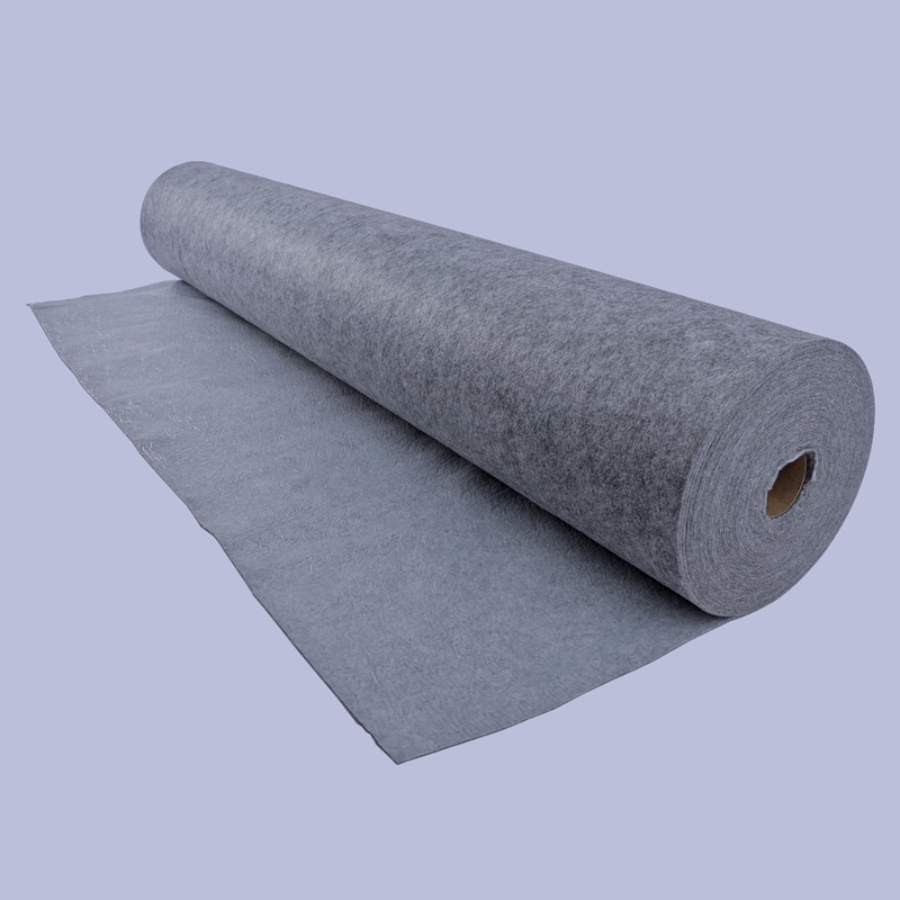
What Areas and Surface Conditions Should Be Checked During Removal?
Removal inspections should not focus solely on whether the roll can be peeled off in one piece. They should also cover the underlying floor surface and locations where localized differences may occur, including seams, edges, corners, and areas that have remained covered for an extended period.
Seams may be affected by overlaps, localized contamination, and repeated foot traffic. During removal, check for residue, localized adhesion irregularities, or changes in surface appearance, and record their exact locations. If adjacent rolls show different removal behavior, record their product batches and actual coverage conditions for further comparison.
Edges and corners often have different installation conditions from the middle of a covered area. The material may experience pulling from different directions, local folding, or additional contact in these locations. During inspection, check for residue, material damage, or changes to the floor surface. If an issue is found, document and assess it before using unapproved cleaning agents or tools.
Areas covered for long periods also deserve closer attention. Some locations may have been subjected to sustained pressure from equipment, furniture, or other objects, or may have experienced environmental conditions that differed from those in surrounding areas. Record these locations separately. Differences between areas can help the project manager determine whether further investigation of the product batch, localized installation conditions, or floor condition is necessary.
In addition to checking for residue, observe whether the floor shows visible color changes, differences in gloss, coating irregularities, or other changes in appearance. These should be recorded as issues requiring assessment rather than automatically classified as damage caused by the protection material. Any final determination should take into account the original floor-condition records, material usage conditions, and professional assessment where necessary.
For each abnormality, record the area identifier, discovery time, photographs, type of issue, and any action taken. This allows subsequent quality checks, supplier feedback, and project handover decisions to be based on specific records rather than general descriptions.
How Should Buyers Respond to Residue, Surface Changes, or Localized Adhesion Problems?
When an abnormality is discovered, the first step is to pause unnecessary further treatment of the affected area and document its current condition. If residue or a surface change has not yet been assessed, immediately scraping, sanding, or applying a strong cleaning agent may complicate the situation and affect the subsequent investigation.
If localized adhesive residue is found, record its location, extent, and appearance. Then check the product information, coverage period, and site conditions for that area. Whether the residue can be cleaned, and which method is appropriate, should be determined based on the flooring material, the nature of the residue, and the relevant product instructions. The same removal method should not automatically be applied to every floor type or every kind of residue.
If the floor shows changes in color, gloss, or coating appearance, compare the affected area with photographs taken before installation. Record whether the change is concentrated around seams, edges, long-term coverage areas, or other specific locations. Where necessary, have a suitably experienced person assess the floor surface rather than drawing a conclusion based only on how the protection material felt during removal.
If localized adhesion problems occur—for example, some areas are difficult to remove, removal behavior differs noticeably across locations, or the material tears abnormally during removal—check whether those areas experienced different coverage periods, temperatures, pressure levels, or construction conditions. Also verify the product specification and batch information to determine whether the inspection scope should be expanded.
When reporting an issue to the supplier, provide the product name, specification, batch, area of use, actual coverage period, relevant environmental conditions, removal method, and photographs of the abnormality. Describe the observation objectively. For example, write "localized residue was found after removal in one area" rather than stating that "the product damaged the floor" before the cause has been established.
The buyer and supplier can then use the available evidence to determine the next steps, such as additional inspection, further assessment, comparison with records from other areas, or discussion of whether the product's conditions of use need to be adjusted. If floor damage or a sensitive coating is involved, avoid unverified treatment methods.
An effective issue-handling process records the facts first, assesses the possible causes second, and determines the appropriate action only after that assessment—not by immediately cleaning away the residue and closing the inspection.
How Should Buyers Record Samples, Site Conditions, and Acceptance Results?
For businesses that purchase floor protection rolls repeatedly, keeping only a sample photograph or purchase order is usually insufficient to trace actual post-use performance. A more practical approach is to maintain a concise removal inspection record linking product information, initial assessment, site conditions, and final acceptance results.
Product information should include the product name, specification, material construction details, supplier, batch, or another identifiable product reference. If a project uses multiple specifications or batches, link each one to its actual area of use so that the affected material can be identified if an issue occurs.
Sample assessment records should retain the test area, original floor condition, assessment date, coverage conditions, and results from the initial small-area evaluation. The purpose is not to turn this article into a comprehensive material testing guide, but to ensure that the project team can retrieve the basis of its initial assessment during the post-use inspection.
Site-condition records should include the actual installation and removal times, coverage duration, relevant environmental information, area of use, and any unusual construction circumstances. If a localized area was exposed to heavy pressure, liquid contamination, or another special condition, record it separately rather than comparing it directly with areas used under different conditions.
Removal acceptance records should include the inspection date, area inspected, removal performance, presence or absence of residue, any visible surface changes, photographs or other evidence, and the final action taken. If the cause of an abnormality has not been confirmed, mark it as requiring further assessment rather than recording an unverified conclusion.
Buyers can also record supplier responses, corrective actions, and items that need confirmation on subsequent orders. Over time, this creates a continuous record of product use across different projects, helping purchasing teams improve specification confirmation, communication about usage conditions, and future acceptance requirements.
For renovation companies, project managers, and purchasing departments, these records do not need to be so complicated that they slow down construction. The key is to maintain consistent information, identifiable locations, photographic evidence for abnormalities, documented actions, and records that can be reviewed during the next purchase.
Conclusion: Include Removal Inspection in Floor Protection Purchasing and Acceptance
Purchasing self-adhesive floor protection should not be considered complete once the material has been installed. After construction, buyers also need to inspect removal performance, floor surface conditions, and any residue or localized adhesion problems. The results should be assessed in the context of the actual usage conditions.
Buyers should define removal acceptance requirements in advance, record coverage time, environmental conditions, and the original floor condition, and pay particular attention to seams, edges, corners, and areas that have remained covered for a long time. When an abnormality occurs, preserve the records and evidence first, then determine the appropriate response based on the material instructions, floor condition, and site circumstances.
When purchasing self-adhesive floor protection rolls, buyers should also inform suppliers about the actual flooring material, expected coverage period, and working environment, and confirm the product's intended conditions of use and limitations. For businesses that require a stable supply of bulk orders, working with a supplier experienced in needle-punched nonwovens and composite materials, and capable of communicating product specifications and usage conditions clearly, can help establish a more consistent purchasing and acceptance process.
HuiZhou JinHaoCheng Nonwovens Co., Ltd. has experience in manufacturing and customizing needle-punched nonwovens and related composite materials and can discuss material construction and specifications based on customers' application requirements. For buyers, the goal is not to assume that every self-adhesive material can be removed without residue under all conditions. It is to reduce uncertainty through initial assessment, usage-condition records, and post-construction acceptance, making issues easier to identify, trace, and address appropriately.




