What Is Pet Filter Cotton Made Of? Materials & Buyer’s Guide
Short Description:
Learn what pet filter cotton is made of, why polyester fiber and low-melt fiber are commonly used, and how raw material quality, fiber ratios, density, GSM, and heat-setting affect filtration and forming performance. A practical guide for importers, wholesalers, distributors, and pet product manufacturers.
What Is Pet Filter Cotton Made Of?
A common question from pet product manufacturers and buyers is: What is pet filter cotton made of?
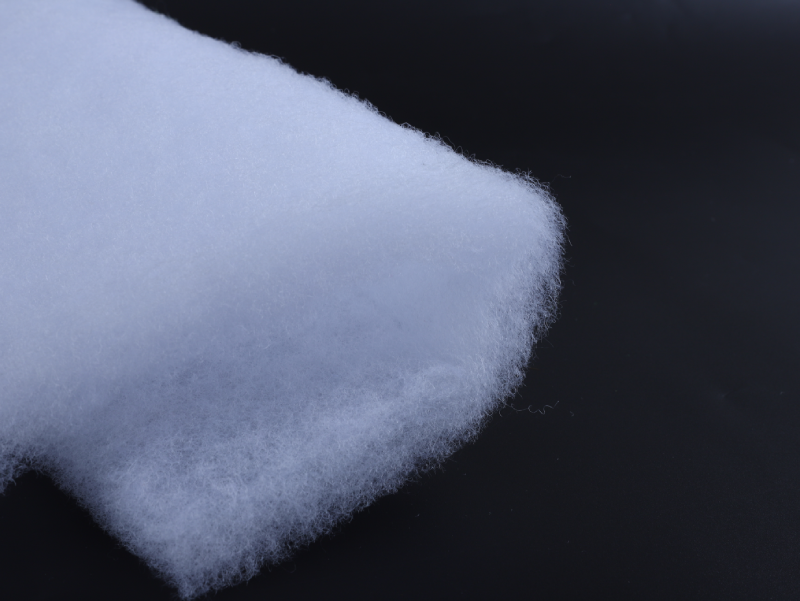
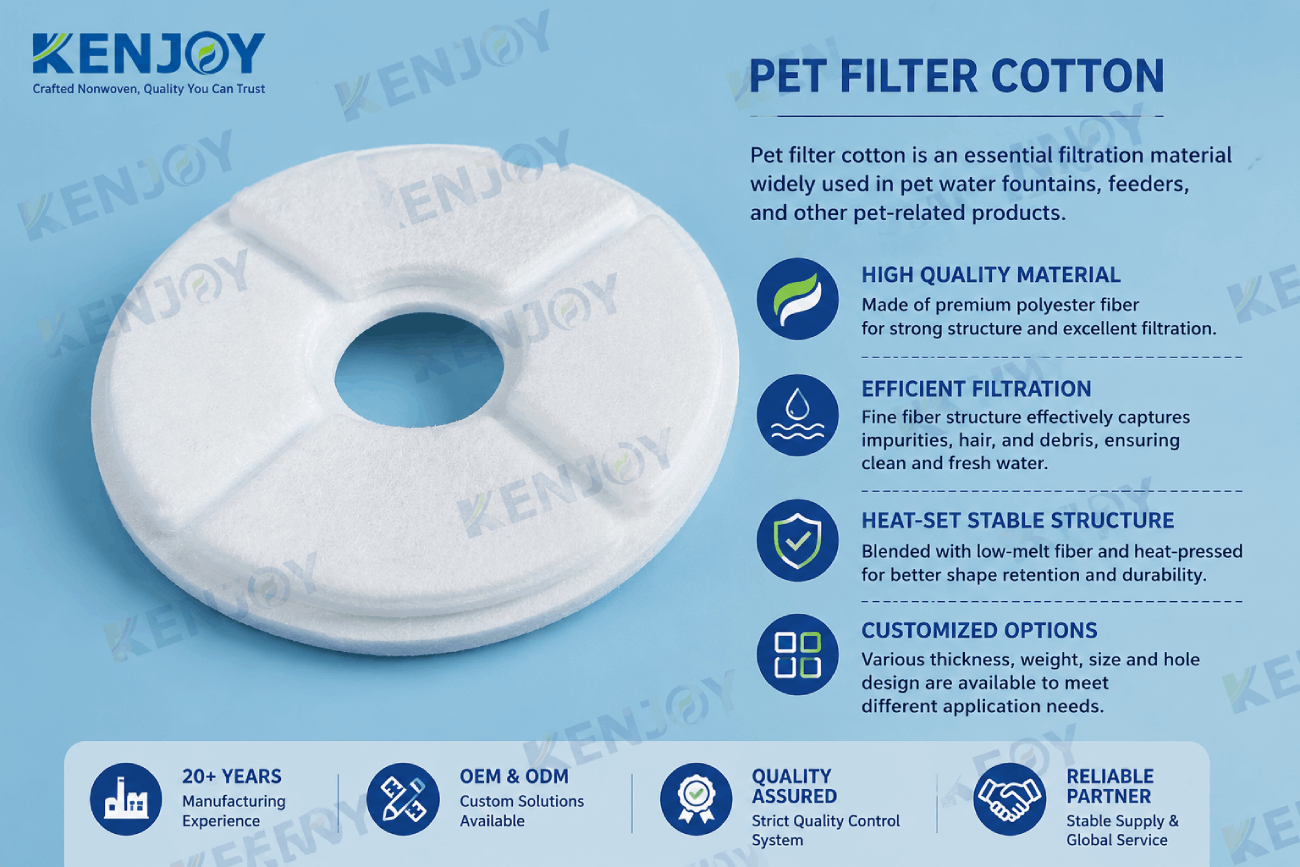
In most applications, pet filter cotton is primarily manufactured from polyester fiber, often combined with a certain percentage of low-melting-point fiber. This combination allows the material to be mechanically consolidated and, when required, thermally bonded or heat-set into a stable structure.
However, knowing the basic raw materials is only the first step.
Many buyers find that samples from different suppliers can look similar but perform very differently during actual testing. Differences may appear in water filtration speed, shape retention, thickness, bonding performance, density, and overall durability.
The reason is that the final performance of pet filter cotton depends not only on the fiber types but also on raw material quality, fiber blending ratios, needle punching parameters, GSM, density, and surface heat treatment.
What Raw Materials Are Used in Pet Filter Cotton?
Polyester Fiber
Polyester fiber is the primary raw material used in many pet filter cotton products.
It provides the basic fiber structure and can offer a useful combination of strength, dimensional stability, durability, and processability.
The quality and source of polyester fiber can also affect the consistency of the finished material.
For buyers purchasing pet filter cotton in bulk, it is therefore important to ask suppliers about the type and quality of polyester fiber being used rather than evaluating the product only by appearance or price.
Low-Melting-Point Fiber
Low-melting-point fiber is often blended with polyester fiber when the product requires additional thermal bonding or heat-setting.
During processing, the low-melting component softens under controlled heat and helps bond the fiber structure together. This can improve the material's shape retention, structural stability, and forming performance.
The appropriate percentage depends on the intended application and required performance.
Why Can Pet Filter Cotton From Different Suppliers Perform Differently?
This is one of the most important issues for buyers sourcing pet filter cotton.
Two products may both be described as polyester filter cotton, yet their actual performance can be significantly different.
Different Raw Material Quality
Even when two manufacturers use polyester fiber, the quality and source of the raw material may not be identical.
For example, differences between virgin polyester fiber and recycled fiber, as well as differences between raw material suppliers, can affect the consistency and physical properties of the finished product.
For applications where filtration performance and product stability are important, buyers should confirm the material specification before placing a large order.
Different Fiber Blending Ratios
The ratio between polyester fiber and low-melting-point fiber is another important factor.
Too much or too little low-melting fiber can affect the final material's bonding characteristics and structural stability.
An experienced custom nonwoven felt manufacturer can adjust the fiber blend according to the customer's application instead of simply using one standard formula for every product.
Different Needle Punching Density
Pet filter cotton can also be produced with different needle punching densities.
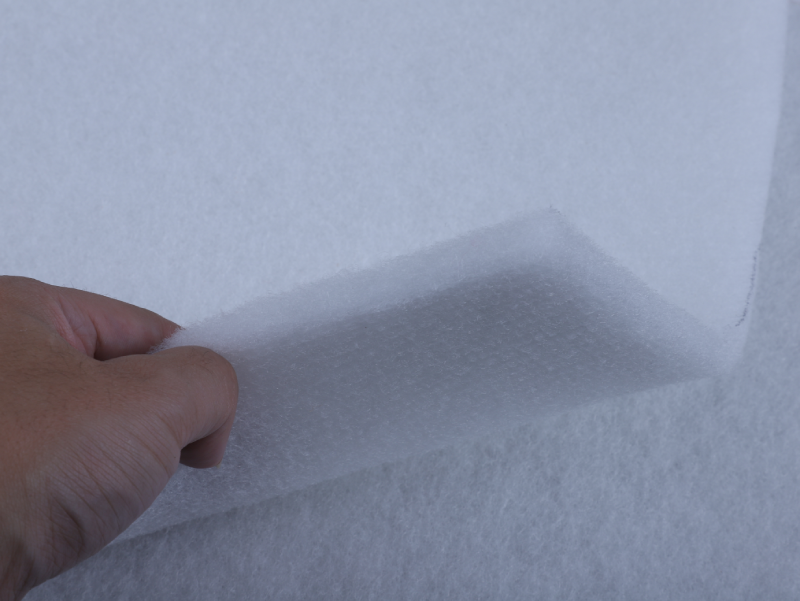
Needle punching controls how the fibers become mechanically entangled and influences the resulting density, thickness, strength, air permeability, and filtration behavior.
Therefore, simply specifying the same GSM does not necessarily mean that two products will have identical performance.
Different GSM and Thickness
GSM is another key specification that buyers should consider.
Different applications may require different combinations of GSM, thickness, density, and fiber structure.
A product that works well for one pet filtration application may not be suitable for another. Instead of choosing a material based solely on price per kilogram, it is better to select the specification according to the actual filtration requirements.
Different Surface Heat Treatment
Surface heat treatment can significantly affect the final structure of pet filter cotton.
Depending on the processing conditions, heat treatment can influence surface smoothness, firmness, dimensional stability, forming performance, and bonding behavior.
This is particularly important when the filter material needs to be shaped or thermally bonded during the customer's downstream production process.
What Performance Problems Can Incorrect Pet Filter Cotton Cause?
When the raw materials or manufacturing parameters are not properly controlled, buyers may encounter several problems during product testing or mass production.
Common issues include:
Slow or inconsistent water filtration:
The fiber structure and density may not be suitable for the required water flow rate.
Poor forming performance:
The material may not maintain the desired shape after forming.
Insufficient fullness:
The finished filter may appear too thin or lack the required three-dimensional structure.
Weak thermal bonding:
If the low-melting fiber ratio or heat-setting process is unsuitable, the material may not bond properly during downstream processing.
Inconsistent thickness or density:
Poor process control can lead to variations between batches, making large-scale production difficult.
For wholesalers and importers, these problems can result in rejected samples, production delays, and additional sourcing costs.
How Should Buyers Choose Pet Filter Cotton?
Before ordering, professional buyers should provide as much information as possible about the intended application.
Important specifications may include:
Material: Polyester fiber, low-melting-point fiber, or a customized blend.
GSM: The required weight per square meter.
Thickness: The target thickness after production and heat treatment.
Density: The required fiber structure and filtration characteristics.
Filtration performance: Required water flow or filtration behavior.
Forming requirements: Whether the material needs to be molded or shaped.
Bonding requirements: Whether heat welding or thermal bonding is required.
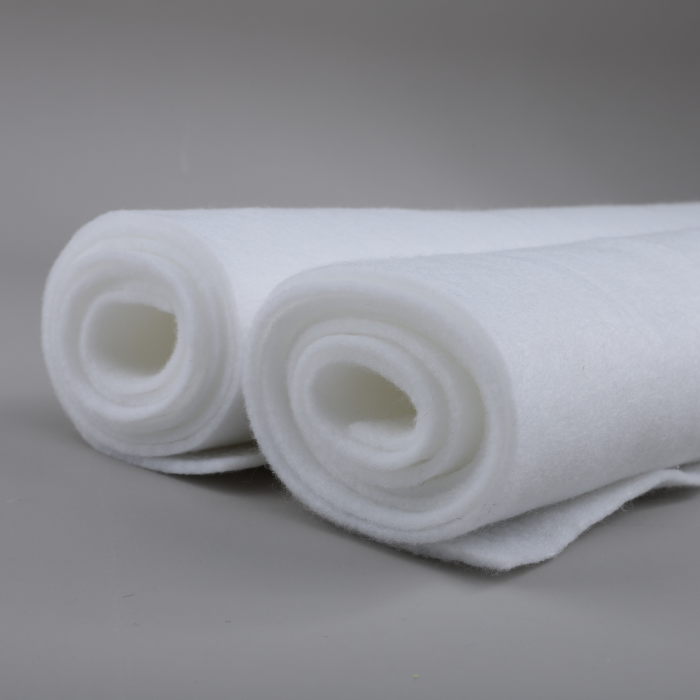
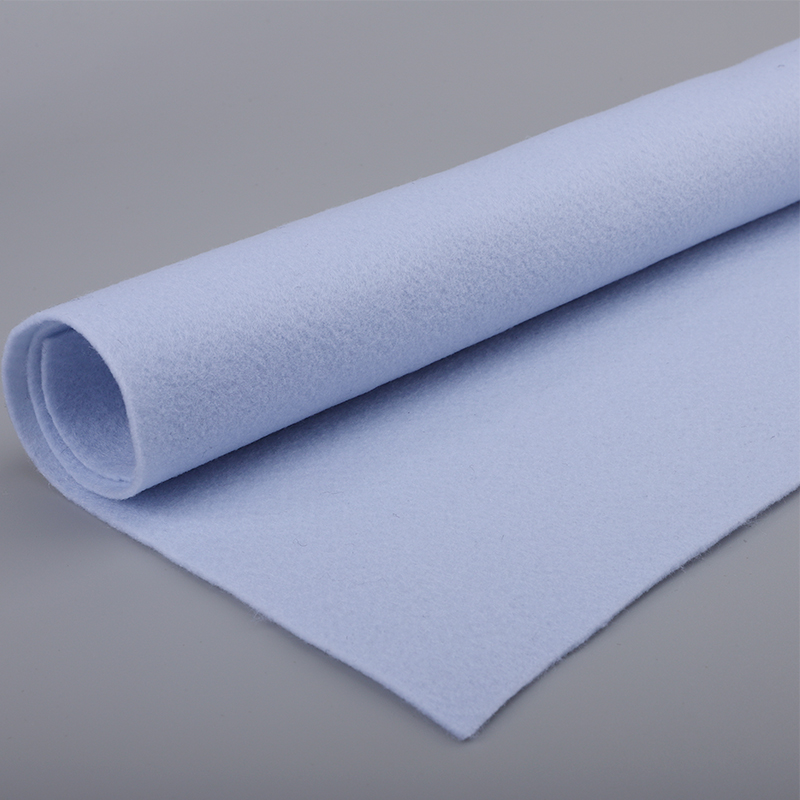
Roll or sheet format: Depending on the customer's downstream production process.
Providing these details allows the manufacturer to recommend a more suitable material instead of supplying a generic filter cotton specification.
Why Work With an Experienced Pet Filter Cotton Manufacturer?
For pet product manufacturers and distributors, stable quality is often more important than simply finding the lowest material price.
An experienced needle punched felt manufacturer can optimize the fiber blend and production parameters according to the customer's application, helping reduce problems during sample testing and mass production.
Kenjoy has more than 20 years of experience in nonwoven material manufacturing and specializes in customized needle punched materials for different industrial and commercial applications.
With an integrated manufacturing approach, our team can work with customers on material selection, fiber blending, GSM, thickness, density, surface treatment, and customized specifications.
Our manufacturing capabilities also support OEM and ODM projects for importers, wholesalers, distributors, and product manufacturers looking for stable long-term supply.
As a nonwoven felt manufacturer China, we focus on consistent production, customized material development, and practical solutions for customers with specific performance requirements.
Custom Pet Filter Cotton for Different Applications
Pet filter cotton is not necessarily a one-size-fits-all product.
Different pet products may require different filtration rates, thicknesses, densities, forming characteristics, or bonding performance.
For this reason, customized production can be a better option for buyers who have already identified specific product requirements.
A professional custom nonwoven felt manufacturer can adjust the material structure based on application testing and customer requirements.
This is especially useful for:
Pet filtration products
Aquarium and water filtration applications
Pet water-related products
Custom molded filter components
Pet product accessories
Other filtration and absorbent applications
The final specification should always be determined according to the actual application and performance testing.
Key Takeaways for Pet Filter Cotton Buyers
So, what is pet filter cotton made of?
In general, polyester fiber is the main raw material, while low-melting-point fiber may be added when thermal bonding or heat-setting is required.
However, raw materials alone do not determine the final product performance.
The actual result is influenced by several factors, including:
Raw material quality → Fiber blending ratio → Needle punching density → GSM → Thickness → Surface heat treatment → Final forming and bonding process
This is why pet filter cotton from different manufacturers can show noticeably different performance even when the basic raw material appears to be the same.
For importers, wholesalers, and pet product manufacturers, choosing an experienced OEM needle punched felt factory can make the sourcing process more predictable and reduce the risk of inconsistent samples or mass-production problems.
If you are looking for customized pet filter cotton with specific requirements for GSM, thickness, density, filtration performance, forming, or thermal bonding, working directly with an experienced manufacturer can provide a more efficient solution for product development and long-term supply.