Is Carbon Fiber Felt Suitable for High Temperature Applications? 5 Key Questions to Ask Before Buying
In high-temperature industrial environments, Carbon Fiber Felt is commonly used for thermal insulation, heat protection, and high-temperature equipment structures. For importers, wholesalers, industrial equipment manufacturers, and engineering companies sourcing high-temperature insulation materials, one common question is:
Is carbon fiber felt really suitable for high temperature applications?
The answer is: yes, but not every type of carbon fiber felt is suitable for the same high-temperature environment.
The actual performance of carbon fiber felt is closely related to its fiber precursor, carbonization level, graphitization level, density, thickness, purity, operating temperature, surrounding atmosphere, and specific application structure.
It is particularly important to understand that high-temperature performance can be very different in vacuum, inert atmospheres, and air. The same carbon fiber felt may perform differently under these conditions.
Therefore, for companies purchasing high temperature felt, carbon fiber felt, carbon felt, or thermal insulation felt on a regular basis, understanding the actual working conditions is more important than simply comparing prices.
What Is Carbon Fiber Felt and Why Can It Be Used in High Temperature Environments?
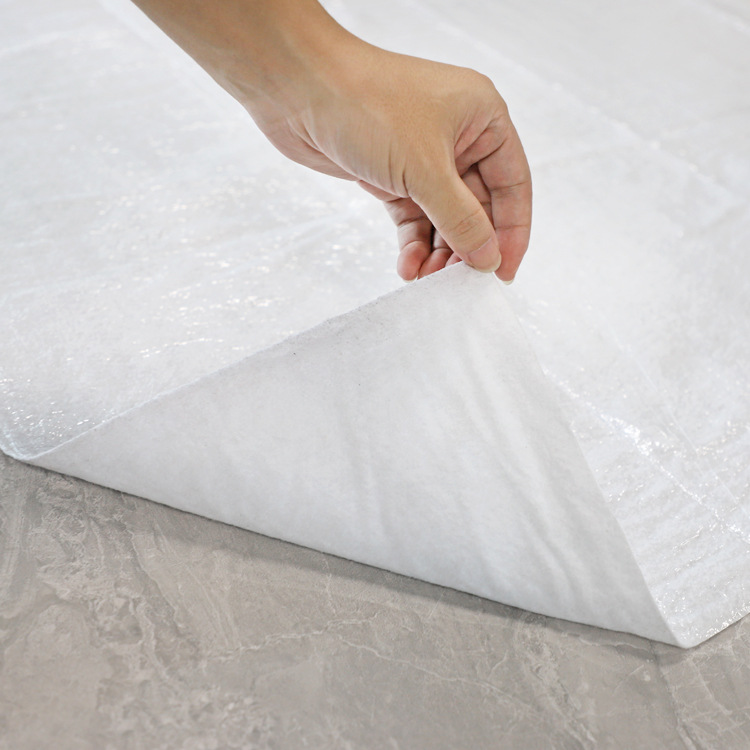
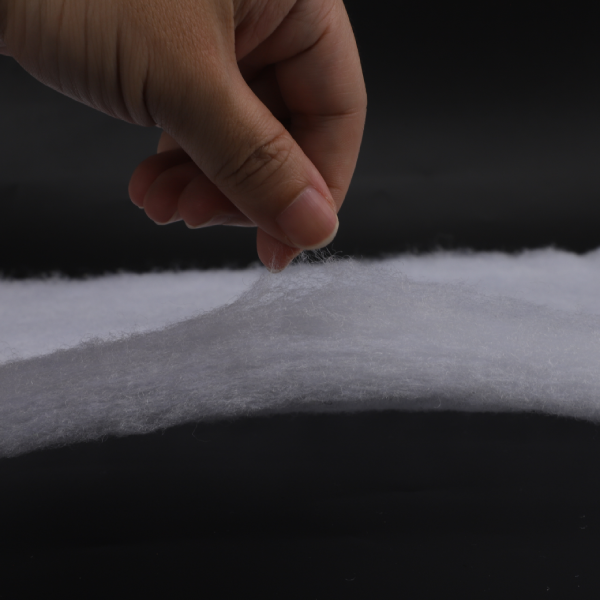
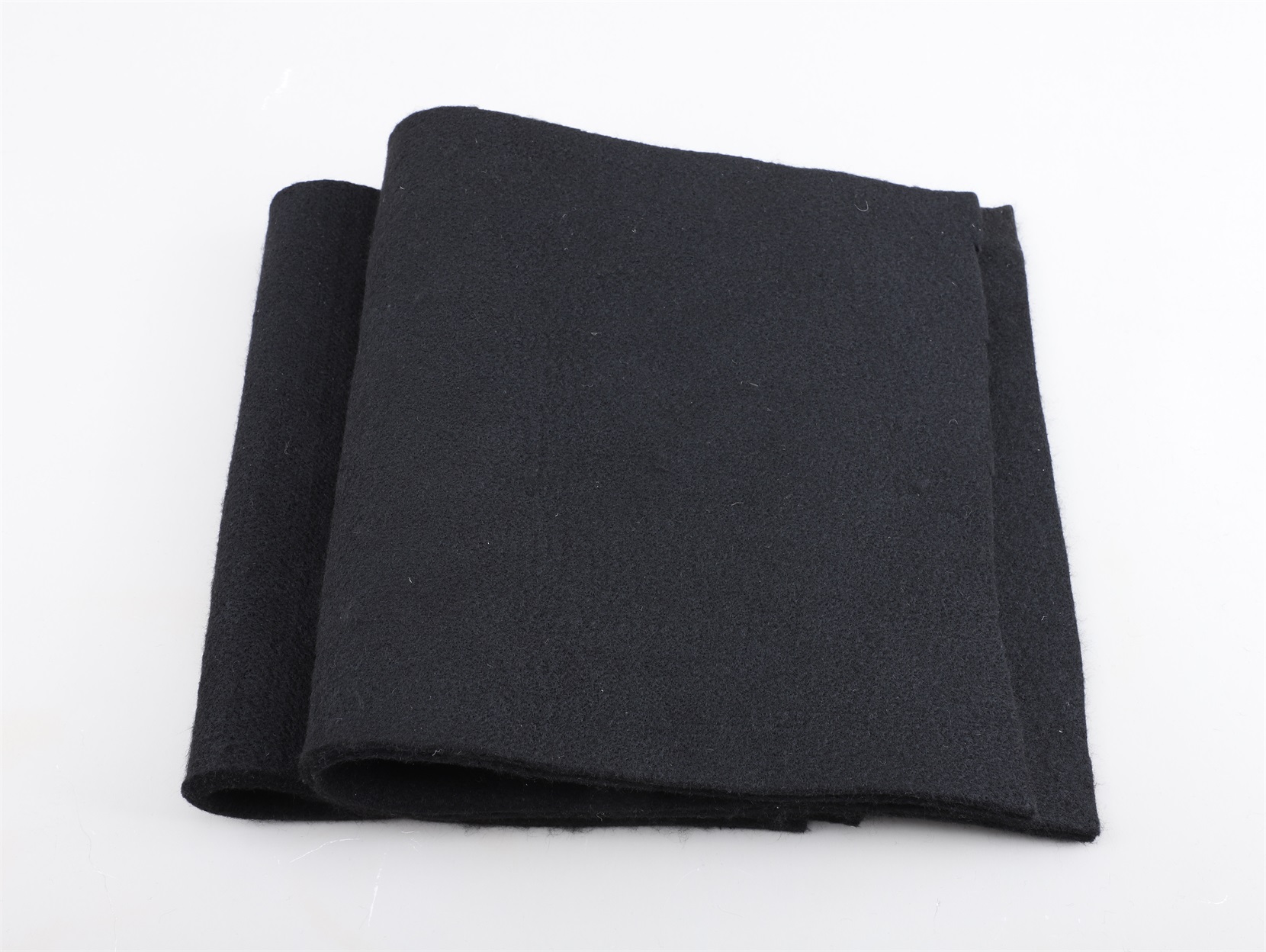
Carbon fiber felt is a flexible felt-like material made from carbon fibers. It generally offers low density, flexibility, ease of processing, and useful high-temperature thermal insulation properties.
Some carbon fiber felts are produced from precursor fiber felts made from materials such as PAN or rayon and then subjected to high-temperature carbonization to form a carbon-based structure. For more demanding high-temperature and high-purity applications, further graphitization may be used to produce Graphite Felt with different performance characteristics.
Carbon fiber felt has an important structural advantage: its internal fiber network contains many pores and spaces. This structure can reduce effective heat transfer and makes the material suitable for thermal management and insulation in high-temperature equipment.
Therefore, carbon fiber felt should not simply be considered a “fireproof” material. It is more accurately understood as a thermal management and insulation material designed for specific high-temperature environments.
Is Carbon Fiber Felt Suitable for High Temperature Applications? Temperature Is Not the Only Factor
One of the most common mistakes buyers make is asking suppliers only:
“What is the maximum temperature this carbon fiber felt can withstand?”
In reality, this question is incomplete.
The actual operating temperature of a high-temperature material needs to be evaluated together with the working environment.
For example, a material operating at around 1000°C in a vacuum or inert atmosphere such as nitrogen or argon may face very different conditions from the same material exposed directly to air.
Therefore, when purchasing high temperature carbon fiber felt, buyers should not confirm only one temperature number. They should also confirm the operating atmosphere, exposure time, whether the material is directly exposed to flame, whether oxygen is present, and whether further graphitization is required.
These conditions determine whether the material is actually suitable for the application.
Why Is Carbon Fiber Felt Commonly Used in Vacuum and Inert Atmospheres?
This is an important consideration when sourcing high-temperature felt.
Carbon materials are sensitive to oxygen at elevated temperatures. Therefore, carbon fiber felt is generally more suitable for vacuum or non-oxidizing environments.
In an oxidizing environment, increasing temperature can increase the risk of oxidation. This means that the operating temperature specified for a vacuum furnace or inert-atmosphere furnace should not automatically be applied to an application exposed to air.
This is why professional carbon felt suppliers often distinguish between:
Vacuum applications
Inert atmosphere applications
Oxidizing atmosphere applications
Different working conditions may require different material structures and protection methods.
For industrial buyers, this distinction is critical.
If a customer simply tells a supplier, “I need high-temperature felt for 1000°C,” without explaining the working environment, the supplier may not have enough information to determine whether the material is actually suitable.
What Is the Difference Between Carbon Fiber Felt and Graphite Felt?
This is one of the most common sources of confusion when purchasing high-temperature insulation materials.
Carbon Felt generally refers to carbonized fiber felt, while Graphite Felt generally refers to material that has undergone further high-temperature graphitization.
Graphitization changes the carbon structure of the material and can provide higher purity, greater thermal stability, and different electrical and thermal characteristics.
Some industry processes place carbonization within approximately the 1000–1600°C range, while graphite felt requires further high-temperature treatment, often above 2000°C. Actual processing temperatures vary according to the raw material and product system.
Therefore, the difference should not simply be understood as “standard” versus “premium.”
A more accurate way to understand the materials is:
Carbon Fiber Felt is suitable for certain high-temperature insulation requirements, while Graphite Felt is more suitable for applications requiring higher thermal stability, higher purity, or more demanding high-temperature conditions.
For ordinary industrial insulation projects without extreme temperature requirements, selecting an overly specified graphite felt may increase costs.
On the other hand, if the project involves extremely high temperatures, vacuum furnaces, or high-purity thermal fields, ordinary carbon felt may not provide the required performance.
The material must therefore be selected according to the actual operating conditions.
Why Is Maximum Temperature Not the Only Parameter When Buying Carbon Fiber Felt?
Professional industrial purchasing should never focus on a single temperature specification.
The ability of high-temperature felt to perform consistently also depends on several other parameters.
1. Operating Environment
First, confirm whether the material will be used in air, vacuum, or an inert atmosphere.
This is one of the fundamental conditions for determining whether carbon fiber felt is suitable for the project.
2. Actual Working Temperature
It is important to distinguish between short-term peak temperature and continuous operating temperature.
A material reaching a certain temperature occasionally does not necessarily mean that it can operate continuously at that temperature.
3. Material Density
Different densities can affect thermal insulation performance, mechanical stability, and the overall structure of the material.
Therefore, two carbon fiber felts with the same thickness but different densities may deliver different performance in actual applications.
4. Thickness
Thickness directly affects the structure of the insulation layer and heat transfer.
For high-temperature furnaces, thermal shielding, and equipment insulation, the appropriate thickness should be selected according to the equipment structure rather than assuming that thicker is always better.
5. Purity and Ash Content
The requirements for ordinary industrial insulation can be very different from those for high-purity semiconductor, crystal-growth, or vacuum thermal-field applications.
Some high-end furnace applications have stricter requirements for ash content, impurities, and volatile substances. Therefore, the required purity level should be confirmed before purchasing.
6. Carbonized or Graphitized
This is one of the important factors determining the potential application range of the material.
If the project requires higher temperatures, higher purity, or more stable thermal-field conditions, buyers should further determine whether graphitized felt is required.
Which High Temperature Applications Are Suitable for Carbon Fiber Felt?
The flexibility and thermal insulation properties of carbon fiber felt allow it to be used in various high-temperature industrial applications.
High Temperature Furnace Insulation
Carbon felt and graphite felt are commonly used as flexible insulation materials in high-temperature furnace thermal management systems. They can be cut, wrapped, and installed according to the furnace structure.
They can be considered for vacuum furnaces, heat-treatment furnaces, crystal-growth equipment, and other high-temperature thermal-field systems.
Semiconductor and Crystal Growth Equipment
For semiconductor, silicon crystal, sapphire, and SiC high-temperature processing equipment, material purity, thermal stability, and dimensional stability can become critical requirements.
These projects may therefore require more than standard industrial carbon felt. The material grade should be selected according to the equipment temperature, atmosphere, and purity requirements.
Optical Fiber Manufacturing Equipment
Some high-temperature optical fiber manufacturing equipment also requires thermal insulation materials to control heat and protect surrounding structures.
For these applications, thickness uniformity, thermal stability, and long-term batch consistency can be particularly important.
Industrial High Temperature Equipment
In industrial furnaces, heat-treatment equipment, and other high-temperature insulation structures, flexible carbon fiber felt can be cut and installed according to the equipment dimensions.
This flexible structure can provide practical advantages for equipment with complex geometries.
High Temperature Heat Protection and Insulation Components
Depending on the specific material and structure, carbon fiber felt can also be processed into insulation pads, thermal shielding layers, and other heat-protection components.
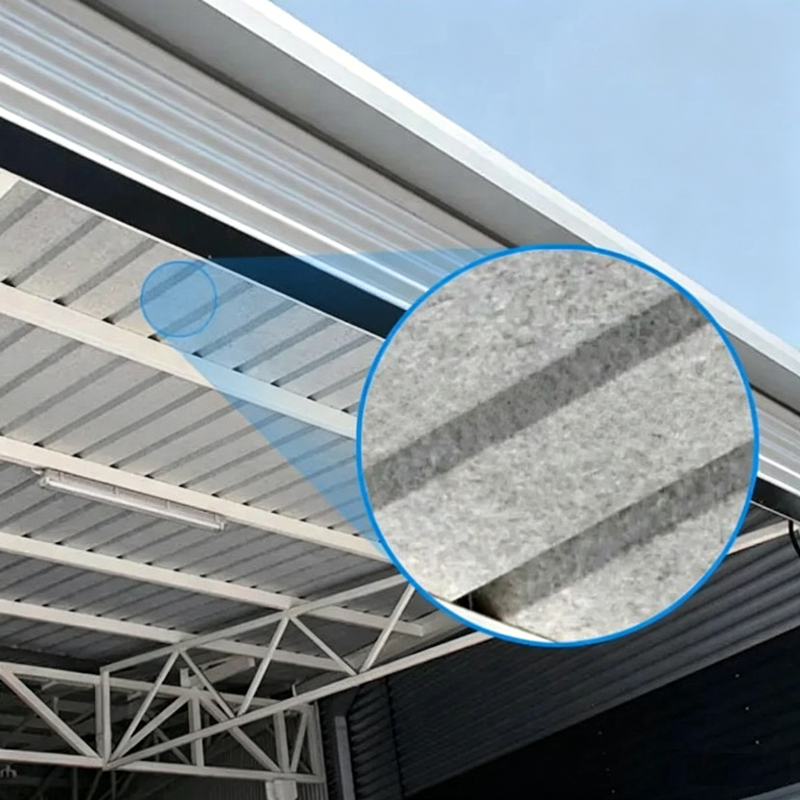
Carbon felt can be considered for thermal shielding, furnace insulation, welding backing, and other thermal management applications depending on the specific product design and working conditions.
When Should You Not Directly Choose Standard Carbon Fiber Felt?
If your project falls into one of the following situations, you should not place an order simply because carbon fiber felt is described as “high-temperature resistant.”
First, if the material will be exposed to high temperatures in air for extended periods, its oxidation stability needs to be carefully evaluated.
Second, if the operating temperature is extremely high and the equipment is a vacuum furnace, crystal-growth furnace, or high-purity thermal-field system, buyers should determine whether graphite felt or a higher-grade purified or graphitized material is more appropriate.
Third, if the material must withstand mechanical loads, density, strength, support structures, and potential composite construction should also be considered.
Fourth, if the project is highly sensitive to ash content, metal impurities, volatile substances, or contamination, standard industrial-grade material may not be suitable.
Therefore, professional high-temperature material sourcing should work backward from the actual operating conditions to determine the material structure, rather than choosing the application based only on the material name.
Why Should High Temperature Insulation Materials Not Be Compared Only by Price per Kilogram?
This is a very practical issue for industrial buyers.
Even when two carbon fiber felts have different prices, the lower-priced product is not automatically the more economical choice.
For example, if one material requires a greater thickness to achieve comparable insulation performance, the final project cost may not actually be lower.
Likewise, if there are significant thickness, density, or dimensional variations between batches, the material may create difficulties during equipment assembly, affect thermal-field stability, or increase maintenance costs.
A more practical purchasing evaluation should therefore consider:
Cost per unit area + actual thermal insulation performance + service life + processing efficiency + batch consistency + total project cost.
For wholesalers and industrial customers importing high-temperature insulation materials over the long term, supplier manufacturing consistency can be just as important as the material itself.
What Questions Should You Ask a Carbon Fiber Felt Manufacturer Before Buying?
Before placing a bulk order, purchasing teams should not ask only about price and MOQ. They should confirm the complete technical specification.
First, confirm:
What is the fiber precursor?
In other words, what type of precursor fiber is used to produce the material?
Next, confirm:
Is the material carbonized or graphitized?
This determines which high-temperature material system the product belongs to.
Then confirm:
What is the recommended operating atmosphere?
The supplier should clearly state whether the material is intended for vacuum, inert atmosphere, or another working environment.
Also confirm:
What is the recommended working temperature?
The supplier should provide the recommended working conditions rather than only giving a “maximum temperature” without explaining the environment.
In addition, buyers should confirm:
GSM, thickness, density, width, ash content, purity, dimensional tolerance, and batch-to-batch consistency.
For customers who need to process the material into finished products, it is also important to confirm whether the material can be customized through cutting, slitting, lamination, die cutting, or other processing methods.
Why Does High Temperature Application Require Stable Needle Punched Felt Manufacturing?
For companies purchasing high-temperature felt in bulk, specification consistency is extremely important.
Even when the raw material is the same, differences in fiber distribution, web formation, needle punching density, thickness, and density control can change the final material structure.
The manufacturing process for needle punched nonwoven materials includes several stages such as fiber opening, blending, carding, web formation, and needle punching. Needle punching parameters directly affect the entanglement of fibers and can further influence material thickness, density, and mechanical properties.
Therefore, for industrial customers purchasing needle punched felt on a long-term basis, choosing a genuine needle punched felt manufacturer with stable manufacturing capabilities can be more valuable than simply finding a trading supplier.
This is particularly important for OEM projects. Once the product enters mass production, stable control of GSM, thickness, width, and material structure directly affects the consistency of the final product.
How Does Jinhaocheng Provide Customized Needle Punched Nonwoven Materials for Industrial Customers?
HUIZHOU JINHAOCHENG NONWOVENS CO., LTD. was established in 2005 and has more than 20 years of experience in nonwoven material R&D and manufacturing. The company operates a production base of approximately 26,000 square meters, with 15 automated needle punching production lines and annual production capacity of more than 10,000 tons, while also providing OEM and ODM customization services.
As a professional needle punched nonwoven felt manufacturer, needle punched felt manufacturer, and nonwoven felt manufacturer China, Jinhaocheng can customize materials according to different industrial application requirements.
Depending on the project, customers can discuss:
Fiber Type
GSM
Thickness
Density
Width
Roll Length
Color
Cutting Size
as well as other material structures and functional requirements.
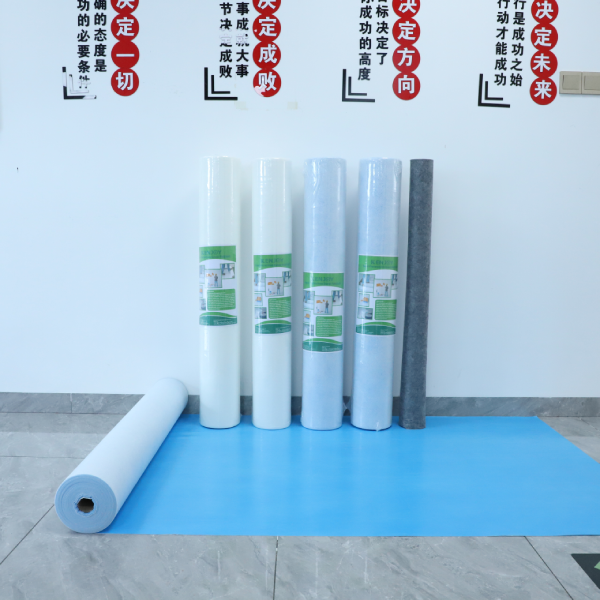
The company also provides needle punching, lamination, slitting, and subsequent processing capabilities for customized product development.
For importers, wholesalers, industrial material distributors, and brands requiring OEM products, working with a manufacturer that can support material development through mass production can help reduce supply-chain steps while improving specification control and batch consistency.
The specific high-temperature performance of carbon fiber felt should still be confirmed according to the actual material system, operating temperature, surrounding atmosphere, and customer application requirements, rather than being judged only by a manufacturer's name or a single specification.
How Can You Determine Which High Temperature Felt Your Project Actually Needs?
If your application involves general high-temperature insulation and the operating environment and temperature requirements are clearly defined, Carbon Fiber Felt may be considered.
If the project involves higher temperatures, higher purity requirements, vacuum furnaces, or crystal-growth systems, Graphite Felt and different purification or graphitization grades should be evaluated further.
If the application involves high temperatures in air, oxidation must be carefully considered rather than directly applying temperature data from vacuum or inert-atmosphere applications.
If the customer needs welding protection, thermal protection, or general industrial insulation, other types of heat resistant felt, fire resistant felt, or flame retardant felt may also need to be evaluated according to the specific application.
The final question should not be:
“Which material has the highest temperature resistance?”
It should be:
“Which material can operate reliably in my actual working environment at a reasonable cost?”
Conclusion: Carbon Fiber Felt Is Suitable for High Temperature Applications, but Correct Material Selection Matters More Than Maximum Temperature
In conclusion, carbon fiber felt is suitable for many high-temperature applications, particularly thermal insulation, thermal management, and high-temperature equipment applications in vacuum or inert atmospheres.
However, carbon fiber felt is not a “universal material” for every high-temperature environment.
Before purchasing, buyers should consider:
Operating temperature, working atmosphere, carbonization or graphitization level, density, thickness, purity, ash content, dimensions, and batch-to-batch consistency.
For general industrial projects, the right specification of Carbon Fiber Felt may already meet the application requirements. For more extreme high-temperature and high-purity applications, Graphite Felt may need to be considered.
If you are looking for a reliable needle punched felt manufacturer, needle punched nonwoven felt manufacturer, or nonwoven felt manufacturer China and need customized materials developed according to your industrial application, Jinhaocheng can provide OEM and ODM nonwoven material solutions based on requirements such as GSM, thickness, width, density, material composition, and application conditions.