How Long Can Floor Protection Stay on the Floor? How Construction Time, Environment, and Material Quality Affect Service Life
During renovation, painting, and commercial remodeling projects, many contractors face a very practical question:
How long can floor protection stay on the floor?
Can it be used for a few days, several weeks, or throughout the entire renovation project without being replaced?
For painting contractors, renovation companies, construction teams, and importers, wholesalers, and distributors responsible for material purchasing, this is not simply a question of “how many days.”
The actual service time of Floor Protection Material can be affected by material quality, site humidity, traffic levels, floor type, liquid contamination, and the overall construction period.
The same Floor Protection Material may remain in good condition for a relatively long time in a dry residential project with low traffic. However, on a busy construction site with frequent foot traffic, high humidity, and regular exposure to water or paint, the material may need to be inspected more frequently or replaced earlier.
Therefore, instead of simply asking “How long can floor protection stay on?”, professional buyers should also ask:
What factors determine its service time?
When should the material be replaced?
How can users determine whether it can continue to be used?
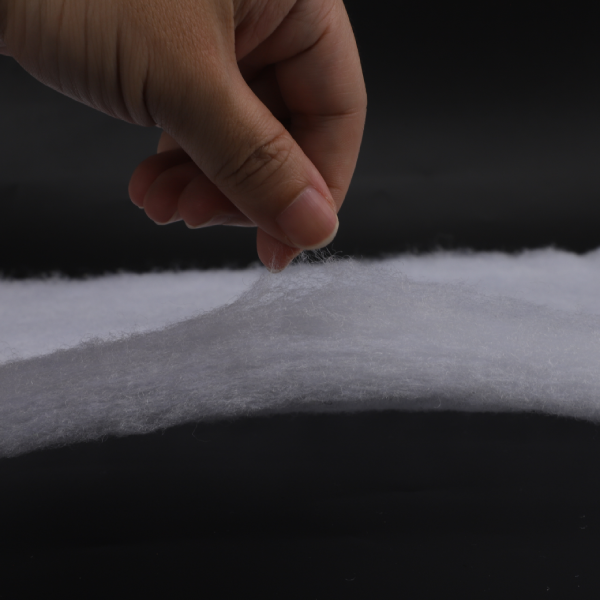
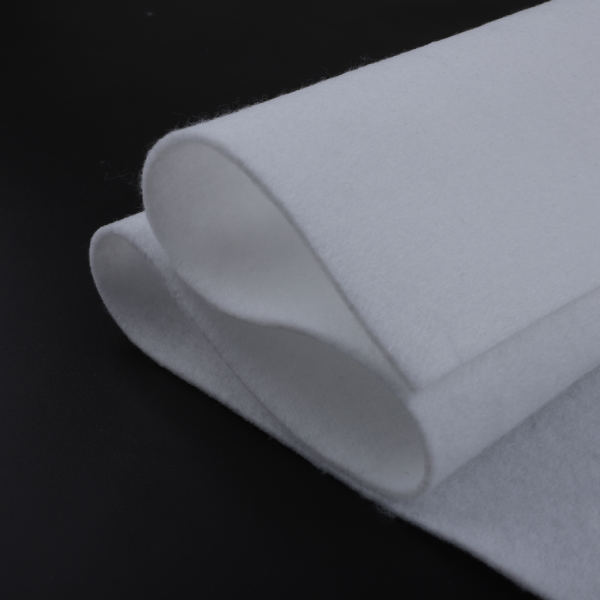
For temporary renovation protection, painting projects, and commercial remodeling, suitable Temporary Floor Protection can be selected according to the project duration. Under appropriate conditions, some high-quality reusable floor protection materials can remain in service for several weeks of construction.
Why Is There No Fixed Number of Days for Floor Protection Material?
Many contractors want a simple answer, such as “floor protection can be used for 14 days” or “it can stay on the floor for 30 days.”
In reality, a fixed number cannot apply to every project.
The actual service life of floor protection usually depends on several key conditions:
Material Quality
Humidity
Traffic
Surface Type
In addition, paint, water, dust, gravel, dropped tools, and construction equipment can further affect the condition of the material.
For example, the same Floor Protection Roll may experience relatively low mechanical wear in a residential project with limited foot traffic and a mainly wall-painting application.
In a hotel, office, shopping mall, or large commercial renovation project, however, the protection material may be exposed to frequent movement from workers, ladders, toolboxes, and construction materials every day.
Therefore, when evaluating how long can floor protection stay on, buyers should not look only at the number of days. The actual construction environment must also be considered.
Factor 1: How Does Material Quality Affect Floor Protection Service Time?
Material quality is the foundation of service life.
Different floor protection materials can vary significantly in GSM, thickness, density, fiber structure, surface stability, waterproof construction, and bonding strength.
If the material is too thin or has insufficient structural stability, it may be more likely to develop problems during frequent foot traffic, tool movement, or material transportation, including:
Surface wear
Edge curling
Tearing
Deformation
Localized damage
Delamination
Therefore, for construction projects lasting several weeks, buyers should not select Floor Protection Material based only on price.
Professional buyers should also confirm:
Is the GSM stable?
Is the thickness within the required specification?
Is the needle punched nonwoven structure stable?
Is the PE waterproof layer securely bonded?
Is the composite structure resistant to delamination?
Is batch-to-batch consistency maintained?
For importers, wholesalers, and distributors purchasing on a long-term basis, stable material quality is often more important than a lower quotation for a single order.
Why Does Humidity Affect the Service Time of Temporary Floor Protection?
Site humidity is an important factor that is often overlooked.
In a dry environment, floor protection material can generally maintain a stable condition more easily.
However, in high-humidity environments, during rainy-season construction, in underground areas, or in spaces with poor ventilation, moisture may accumulate underneath the protection material.
If the floor protection remains in place for an extended period while the floor itself still contains moisture, users should pay particular attention to:
Whether the protection material has become damp
Whether the floor is completely dry
Whether water has accumulated underneath the material
Whether there is an unusual odor or other visible sign of moisture
For wood flooring, certain laminate flooring, and other surfaces that are sensitive to moisture, contractors should especially confirm that the floor is sufficiently dry before installation.
Therefore, Temporary Floor Protection does not mean that the material can be installed and then left completely unchecked.
For longer construction periods, the condition of both the protection material and the floor should still be inspected regularly.
Does Higher Traffic Make Floor Protection Material Wear Faster?
In general, traffic level is one of the important factors affecting the actual service time of floor protection.
If only a small number of workers enter a room each day, the protection material experiences relatively limited friction.
Large renovation projects are different.
Workers may walk across the same area hundreds of times each day. Ladders, toolboxes, paint buckets, carts, and other materials may also be moved across the protected surface.
Long-term, high-frequency traffic may cause:
Surface wear
Localized compression
Edge lifting
Structural thinning
Surface contamination
Localized tearing
Therefore, Traffic Level should be an important consideration when purchasing Temporary Floor Protection.
For high-traffic construction environments, buyers should consider suitable GSM, thickness, and wear-resistant structures rather than simply selecting the lightest material available.
Does the Floor Type Affect How Long Protection Material Can Stay in Place?
Yes.
Different flooring materials have different surface characteristics, so the selection and use of floor protection should also be adjusted accordingly.
For wood flooring, contractors are generally more concerned about scratches, liquid penetration, and moisture.
For tile and marble, the surface may be relatively hard, but gravel, tools, and heavy objects can still cause scratches or localized impact during construction.
For PVC, Vinyl, and Laminate Flooring, attention should be paid to surface friction, liquid exposure, and mechanical damage during construction.
For Carpet, the protection material needs to address liquid contamination as well as compression caused by frequent foot traffic.
Therefore, it should not simply be assumed that:
“This material can stay on the floor for three weeks, so it can stay on every type of floor for three weeks.”
A more practical approach is:
Floor Type → Job Type → Traffic → Humidity → Protection Material → Inspection
In other words, the appropriate service period should be determined according to the specific project.
When Should Floor Protection Material Be Replaced?
For contractors, an even more important question than “How long can it stay on?” is:
When should it be replaced?
When any of the following conditions occur, the protection material should be inspected to determine whether it is still suitable for continued use.
If the material has developed obvious tears, replacement should be considered.
If the waterproof layer is damaged and liquids may directly reach the floor, the material should be addressed or replaced promptly.
If the material has absorbed a significant amount of paint, water, oil, or other liquids and is approaching its absorption capacity, it should not simply be left in service indefinitely.
If the surface is heavily worn and can no longer provide basic protection, replacement is also necessary.
If the edges are severely curled, moving, or interfering with worker traffic, the material should be repositioned or replaced.
If there is obvious moisture, standing water, or another abnormal condition underneath the protection material, the area should be inspected promptly.
Therefore, professional contractors should not decide whether to replace protection material based only on how many days it has been installed.
Material Condition + Jobsite Condition provides a more practical basis for making the decision.
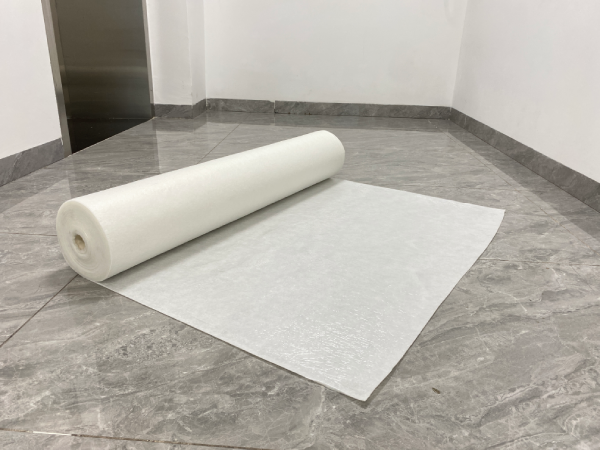
How Should You Choose Floor Protection Roll for Projects Lasting Several Weeks?
For complete home renovations, office remodeling, hotel refurbishment, commercial space renovation, and similar projects, construction may continue for several weeks.
These projects are generally not suitable for a purchasing strategy based only on short-term, one-time coverage.
Buyers should consider:
Construction duration
Daily traffic volume
Paint and liquid contamination risks
Floor type
Material handling frequency
Whether repeated use is required
Storage and transportation requirements
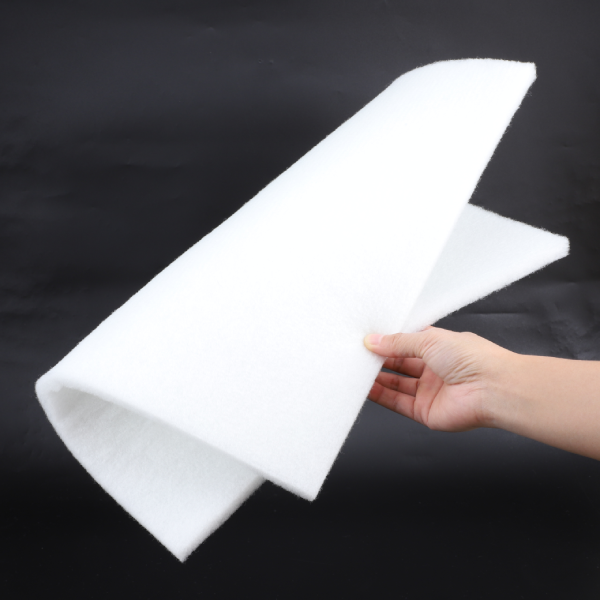
When a large area needs continuous coverage, Floor Protection Roll is often more convenient than using a large number of small protective mats.
Roll material can be installed continuously across hallways, rooms, stairs, and large floor areas, while also making transportation, rolling, and storage easier.
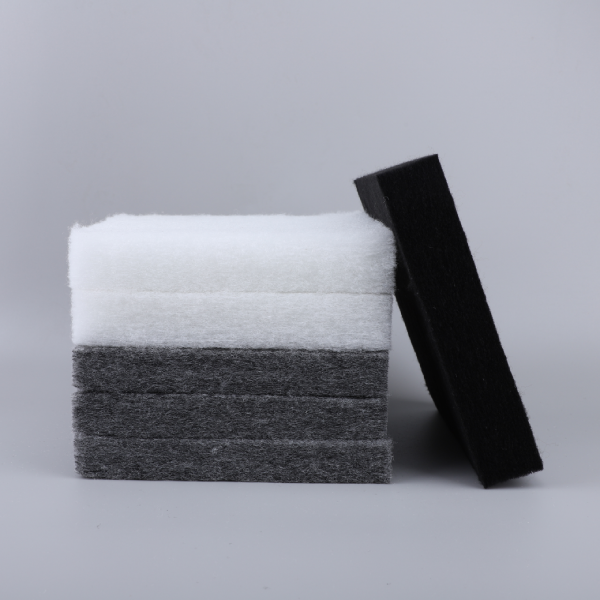
For bulk buyers, the product can also be customized according to actual project requirements, including:
GSM
Thickness
Width
Roll Length
PE Backing
Color
Composite Structure
This allows the material to better match the actual construction period instead of forcing every project to use exactly the same standard specification.
Can Temporary Floor Protection Be Used for Several Weeks?
For temporary renovation protection, the answer depends on the product structure and construction environment.
High-quality Temporary Floor Protection can be used for short- to medium-term renovation, painting, and construction projects.
Under suitable construction conditions, some reusable Floor Protection Material can remain in service for several weeks of construction.
However, it is important to emphasize:
“Can be used for several weeks” does not mean that it can remain installed for several weeks without inspection on every construction site.
If the site has significant exposure to water, paint, mud, gravel, or frequent mechanical traffic, the actual service time may be considerably shorter.
By contrast, if the environment is dry, traffic is limited, and contamination risks are relatively low, the material may remain in good condition for longer.
Therefore, professional buyers should understand “several weeks” as a reasonable project-duration range, rather than an absolute guaranteed number of days.
Why Is Reusable Floor Protection More Suitable for Long Construction Projects?
For projects with longer construction periods, reusable protection material provides another practical purchasing option.
If the material remains structurally sound after one project, it can be:
Used on the construction site → Cleaned → Dried → Rolled → Stored → Reused on the next project
This can be particularly valuable for renovation contractors and professional construction teams.
These companies are not working on only one project. They may handle multiple construction projects continuously.
Instead of purchasing disposable protection materials for every project, Reusable Floor Protection allows buyers to move from simply comparing “price per roll” to considering:
Cost Per Project
or:
Cost Per Use
Of course, whether a material can actually be reused depends on its condition, contamination level, cleaning method, and the specific construction environment.
Therefore, when purchasing reusable floor protection, buyers should ask more than:
“Is it reusable?”
They should also ask:
“How many times can it realistically be reused under the intended application?”
Why Does Material Quality Determine the Long-Term Value of Floor Protection?
For importers, wholesalers, and distributors, material service time affects not only the end-user experience but also product positioning in the market.
If protection material quickly develops:
Tearing
Delamination
Severe deformation
Waterproof layer failure
Surface wear
during construction, end customers may consider the product inconsistent or unreliable.
In contrast, if the material can maintain a stable structure under reasonable construction conditions and support repeated use, distributors can position the product more clearly as:
Reusable Floor Protection
Temporary Floor Protection
Professional Floor Protection Roll
Therefore, for long-term purchasing, buyers should compare more than:
Price per Roll
They should also consider:
Service Life + Reusability + Protection Performance + Cost Per Use
How Does Jinhaocheng Provide Floor Protection Solutions for Different Construction Periods?
HUIZHOU JINHAOCHENG NONWOVENS CO., LTD. has long focused on the development and manufacturing of needle punched nonwoven materials and floor protection products.
The company operates an approximately 26,000㎡ manufacturing facility equipped with 15 automated needle punching production lines, providing stable production capacity for different construction applications.
As a professional needle punched nonwoven felt manufacturer and floor protection roll manufacturer, we can adjust material specifications according to the customer's actual application requirements, including:
GSM
Thickness
Width
Roll Length
Fiber Structure
PE Backing
Composite Structure
For importers, wholesalers, distributors, and brand customers requiring Temporary Floor Protection, different specifications can be developed according to the target market and construction environment.
For example, lightweight structures may be suitable for short-term residential renovation projects, while projects lasting several weeks with frequent worker traffic can be developed with suitable thickness, GSM, and composite structures according to the actual requirements.
At the same time, Jinhaocheng supports OEM/ODM customization, helping customers develop their own Floor Protection Roll, Painter Felt, Protective Fleece, and related products.
How Can Buyers Determine How Long Floor Protection Material Can Stay on the Floor?
If you are an importer, wholesaler, distributor, or construction material buyer, you can confirm the following points with your supplier before purchasing:
First, what fiber and material structure is used?
Second, what are the actual GSM and thickness tolerances?
Third, does the product have a PE waterproof backing?
Fourth, how strong is the bonding between the composite layers?
Fifth, is the product suitable for low-, medium-, or high-traffic construction environments?
Sixth, what construction period does the manufacturer recommend?
Seventh, under what conditions can the material be reused?
Eighth, if the project lasts several weeks, can the manufacturer provide stable batch-to-batch supply?
These questions provide more purchasing value than simply asking:
“How long can floor protection stay on?”
The actual service time is not determined by one fixed number. It is the combined result of material quality + construction environment + usage intensity + floor type + product structure.
Conclusion: How Long Floor Protection Can Stay on Depends on the Construction Environment
For contractors, “How long can floor protection stay on?” is a very practical question.
However, no protection material can guarantee exactly the same service time in every construction environment.
Material Quality determines basic durability.
Humidity can affect the condition of both the material and the floor.
Traffic affects surface wear and structural stability.
Surface Type affects how the product should be used.
Therefore, when selecting Temporary Floor Protection, professional users should choose suitable specifications according to the actual construction period, traffic level, humidity, liquid contamination risks, and floor type.
For short-term to several-week renovation and painting projects, a suitable Floor Protection Roll can provide reliable temporary protection. For long-term construction teams, reusable protection materials can also help reduce long-term usage costs.
If you are looking for a floor protection roll manufacturer, painter felt manufacturer, needle punched nonwoven felt manufacturer, or nonwoven felt manufacturer China, Jinhaocheng can provide customized Floor Protection Solutions according to your construction environment, target market, and product specifications.