Why Do Professional Painters Use Protective Fleece Instead of Plastic Sheets? A Professional Floor Protection Solution for Painting Projects
For painting contractors, renovation companies, construction teams, and paint material distributors, floor protection may seem like a simple preparation step before painting, but it can directly affect construction efficiency, finished-floor protection, and job-site safety.
During wall painting, ceiling work, interior renovation, and commercial remodeling, floors can face multiple risks at the same time:
Paint spills and splashes;
Dropped tools;
Frequent worker traffic and friction;
Protective materials moving under foot traffic;
Water and other liquids penetrating the floor;
Plastic sheets becoming slippery when exposed to liquids.
Therefore, professional painters need more than a simple covering material. They need a floor protection solution that can address practical job-site problems such as paint spills, dropped tools, slippery surfaces, and worker safety.
This is why more professional projects are using paint protection fleece, paint cover rolls, and other professional floor protection for painters.
Compared with relying only on plastic sheets, professional protective fleece can combine an absorbent top layer, waterproof backing, anti-slip bottom, and reusable construction to provide more comprehensive protection during painting and renovation work.
Why Do Painting Projects Need Professional Floor Protection?
One of the main characteristics of painting projects is that they involve liquids and frequent movement of materials throughout the work area.
Paint buckets, rollers, brushes, spray equipment, and tools are constantly being moved around the job site. Even when workers are careful, it is difficult to completely eliminate paint drips, water spills, and other liquid contamination.
At the same time, finished wood flooring, tiles, marble, PVC flooring, laminate flooring, and carpets can be particularly vulnerable to stains and scratches during renovation.
Once paint enters gaps in the floor surface or a dropped tool causes scratches, additional cleaning and repair work may increase project costs.
For professional painting contractors, the real questions are not simply whether the floor is covered, but:
Can the protection material absorb paint?
Can it reduce the risk of liquid penetration?
Will it stay in place when workers walk over it?
Will the surface become slippery when wet?
Can it be quickly removed and reused after the project?
Therefore, professional floor protection for painters should be designed around the actual job-site environment rather than providing only basic surface coverage.
Why Can't Plastic Sheets Solve Every Problem During Painting Projects?
Plastic sheets offer waterproofing, lightweight handling, and relatively low cost, so they can still be useful for some simple short-term protection applications.
However, for professional painting projects, plastic sheets mainly provide isolation rather than a complete floor protection solution.
When paint falls onto a plastic sheet, it is not absorbed and may continue to spread across the smooth surface.
If water, paint, or other liquids are present in the work area, the smooth plastic surface can also become slippery.
In addition, plastic sheets provide limited cushioning. When tools, ladders, or other construction items are dropped, they cannot provide the same type of cushioning protection as a needle punched felt material with a certain level of thickness.
In areas with multiple workers, plastic sheets may also move, curl, or develop wrinkles because of repeated foot traffic.
Therefore, professional painting projects need to consider more than waterproofing. They may also require:
Liquid absorption
Leakage protection
Cushioning protection
Slip resistance
Abrasion resistance
Job-site safety
This is one of the important differences between paint protection fleece and simple plastic sheets in real painting environments.
How Does Paint Protection Fleece Solve Common Painting Job-Site Problems?
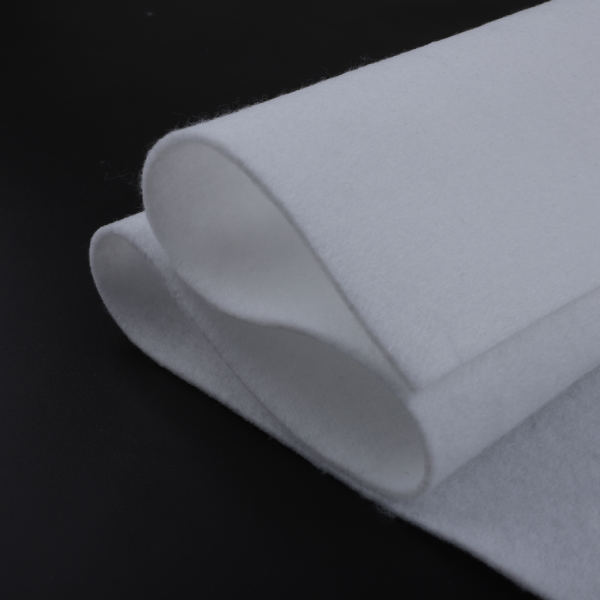
Professional paint protection fleece generally uses a multi-functional composite structure, allowing different layers to perform different protective functions.
A typical structure may include:
Absorbent top layer → Waterproof backing → Anti-slip bottom
Depending on the product design, the material's thickness, GSM, density, width, and other properties can also be adjusted through needle punching and lamination processes.
The absorbent top layer is mainly used to handle paint, water, and other construction liquids.
The waterproof backing helps reduce the risk of liquids continuing to penetrate downward.
The anti-slip bottom helps the protective material remain more stable when workers frequently walk across it.
This structure is not simply about adding more layers. It is about allowing each layer to perform a specific function.
For painting contractors, this type of structure is better aligned with the practical requirements of real construction environments.
Why Is an Absorbent Top Layer Important for Painters?
Paint spills are one of the most common problems during painting work.
When ordinary plastic sheets are used, spilled paint generally remains on the surface and can continue to spread.
The absorbent top layer of paint cover fleece can absorb and temporarily hold a certain amount of paint, water, and other liquids, helping reduce their rapid spread across the surface of the protection material.
For wall painting, wood painting, interior renovation, and commercial remodeling, this absorbency can make it easier for workers to manage accidental spills.
However, absorbency does not mean that the material can hold unlimited amounts of liquid. The appropriate material specification should still be selected according to the amount of paint, coverage area, and required protection time.
For bulk buyers, it is recommended to pay particular attention to GSM, thickness, absorbency, and batch consistency, rather than comparing only the price per roll.
How Does Waterproof Backing Help Protect Wood Floors, Tiles, and Other Finished Surfaces?
Absorbing paint is only the first step.
If the protective material contains only an absorbent layer, liquid may still move downward once the material reaches its absorption capacity.
Therefore, many professional paint cover rolls combine an absorbent layer with a waterproof backing.
The waterproof backing is located underneath the absorbent material and creates an additional liquid barrier, helping reduce the risk of paint, water, and other liquids coming into direct contact with the finished floor.
For wood flooring, tiles, marble, PVC, laminate flooring, and carpets, this structure can provide more complete liquid protection during renovation and painting work.
However, the actual protection performance still depends on material thickness, composite structure, liquid volume, and specific job-site conditions. Buyers should therefore select the appropriate product specification according to the actual application.
Why Is an Anti-Slip Bottom Important for Professional Painting Projects?
Painting job sites often contain water, paint, and other liquids.
If the surface or bottom structure of the protective material is not properly designed, the material may move, curl, or slide.
For work areas with continuous foot traffic, this can affect construction efficiency and may also increase the risk of workers tripping or slipping.
Therefore, professional floor protection for painters should not focus only on absorbency and waterproofing. The stability of the material on the job site should also be considered.
An anti-slip bottom can help the protective material remain more securely positioned on the floor and reduce movement caused by worker traffic, equipment movement, or material wrinkles.
For stairs, hallways, room entrances, and other high-traffic areas, slip resistance deserves particular attention.
When selecting a product, buyers can evaluate whether the bottom structure is suitable for the actual floor surface and working environment.
Why Are Dropped Tools Another Important Risk During Painting Projects?
Many people think that floor protection only needs to prevent paint contamination.
In reality, professional painting sites also face another common problem: dropped tools and equipment movement.
Brushes, scrapers, screwdrivers, toolboxes, and even small pieces of equipment can be accidentally dropped or dragged across the floor.
If the protection material is too thin and consists only of plastic sheets, it mainly provides isolation rather than cushioning.
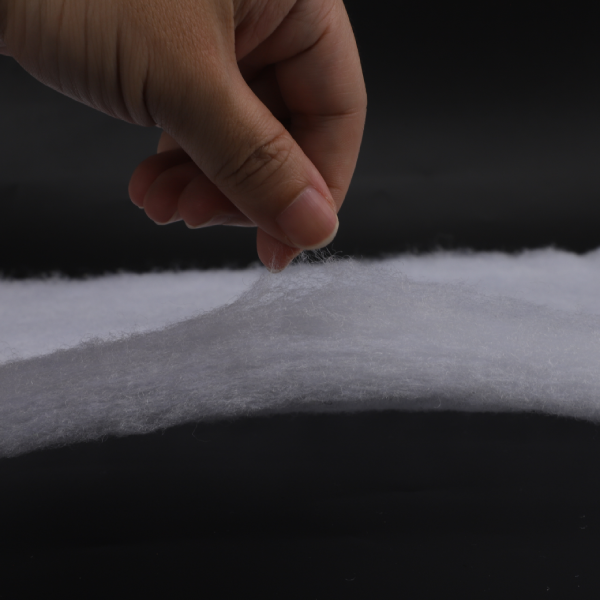
A needle punched felt surface with suitable thickness and density can provide a certain level of flexible cushioning during construction and help reduce the direct impact of tools, equipment, and worker activity on the finished floor.
This is why a professional painter felt manufacturer may need to adjust GSM, thickness, and density according to different applications rather than using exactly the same specification for every painting protection product.
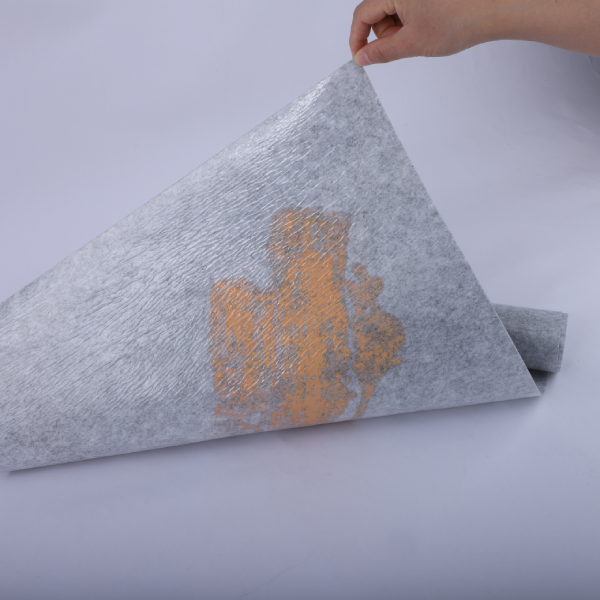
Why Is Protective Fleece More Suitable for Long-Term Painting Projects Than Plastic Sheets?
Short-term painting work and long-term renovation projects do not have exactly the same floor protection requirements.
For a small-area painting job lasting only a few hours, a simple covering material may be sufficient for basic protection.
However, for full-house renovations, offices, hotels, shopping malls, or commercial remodeling projects, construction may continue for several days or longer.
During this time, the protection material may need to withstand:
Frequent worker traffic;
Movement of paint buckets and tools;
Repeated ladder use;
Material transportation;
Liquid spills;
Daily construction activities.
If the protection material moves easily, tears, curls, or becomes completely saturated with liquid, workers may need to spend additional time rearranging the protective layer.
Reusable paint protection fleece can, under suitable product and application conditions, be rolled up, cleaned, stored, and reused. Therefore, reusability is also an important purchasing consideration for professional contractors who need floor protection for repeated or long-term projects.
Why Is a Paint Cover Roll Suitable for Large Painting Projects?
Residential, hotel, office, and commercial renovation projects often require protection over large floor areas.
If many small protective mats are used, workers need to continuously join and reposition them. This increases labor time and creates more seams.
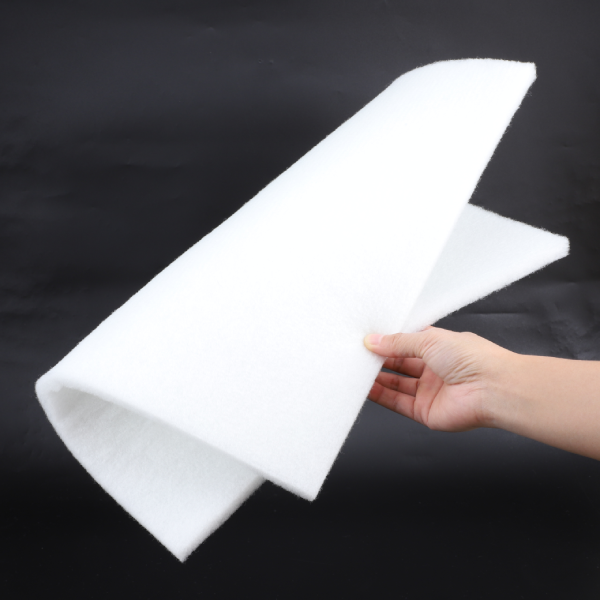
A paint cover roll can be laid directly according to the work area and is more suitable for continuous protection of hallways, rooms, stairs, and large floor surfaces.
Roll-form materials are also convenient for transportation, storage, and job-site management.
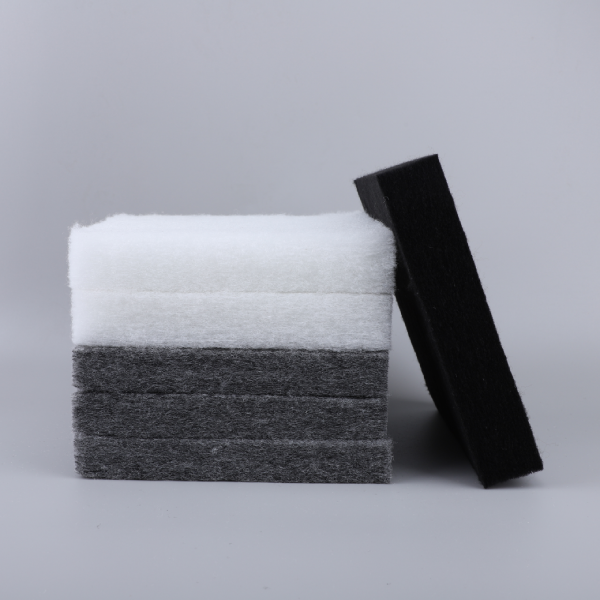
Different project requirements can be matched with customized:
Widths
Roll lengths
GSM
Thicknesses
Colors
Composite structures
For wholesalers, importers, and paint material distributors, roll-form products are also easier to standardize and can be customized through OEM/ODM according to the requirements of different target markets.
What Type of Protective Fleece Should Be Used for Different Painting Projects?
Different projects have different working environments, so not every painting project requires exactly the same protection material.
Residential painting projects generally need to focus on paint spills, regular foot traffic, and finished-floor protection.
Commercial spaces and office renovation projects often involve longer construction periods, so abrasion resistance, material stability, and reusability become more important.
Hotels and large commercial projects often require large-area continuous installation, making the width, roll length, and installation efficiency of the paint cover roll more important.
Stairs and hallways are high-traffic areas, so the stability and slip resistance of the protection material deserve particular attention.
For professional painting sites involving large amounts of paint work, buyers can focus on the absorbency, waterproof backing, and overall structural stability of paint protection fleece.
Therefore, buyers should not ask only:
“How much per roll?”
They should also confirm:
How large is the project area?
How long will the construction last?
Is the main contamination paint or water?
Will there be heavy worker traffic?
Is slip resistance required?
Does the material need to be reusable?
Only by selecting material specifications according to the actual working environment can a more suitable floor protection solution be developed.
What Should Buyers Check When Purchasing Paint Protection Fleece in Bulk?
For importers, wholesalers, distributors, and large painting companies, purchasing paint protection fleece should not be based only on sample price.
First, buyers should confirm the material structure.
For example, determine whether it uses needle punched nonwoven felt, whether it has a waterproof backing, and whether the bottom has an anti-slip structure.
Second, buyers should confirm GSM and thickness.
GSM and thickness affect absorbency, cushioning, abrasion resistance, and product weight.
Third, buyers should confirm dimensional stability.
For automatic cutting, large-area installation, and standardized packaging, consistent width, roll length, and thickness are important.
Fourth, buyers should confirm the stability of the composite structure.
If the absorbent layer and waterproof layer separate easily, the product may develop delamination during rolling, transportation, and repeated use.
Finally, buyers should confirm the supplier's batch consistency.
For long-term customers, good quality in one sample does not necessarily mean that every future production batch will maintain the same performance.
Therefore, when selecting a needle punched nonwoven felt manufacturer, buyers should consider production equipment, raw materials, quality control, and mass-production capabilities at the same time.
Why Do Professional Painters Care About Cost Per Use Instead of Only the Price Per Roll?
For professional construction teams, purchasing floor protection material is not simply a one-time expense.
If a material has a lower purchase price but tears easily, has insufficient absorbency, moves frequently, or cannot be reused after the project, its actual cost may be higher than the initial purchase price suggests.
In contrast, if the product can be properly cleaned, rolled, stored, and reused, the actual cost per project may be easier to control.
Therefore, when comparing different paint cover rolls, professional buyers can consider:
Purchase price per roll
Service life
Number of possible reuses
Cleaning and storage costs
Transportation costs
Construction efficiency
This is why professional painting protection materials should not be compared only by price per square meter.
Why Is Choosing a Professional Painter Felt Manufacturer Important for Long-Term Supply?
For overseas importers, wholesalers, distributors, and brand customers, protective fleece is not simply a finished product. It also depends on stable nonwoven manufacturing capabilities.
A professional painter felt manufacturer needs to control raw materials, needle punching processes, GSM, thickness, density, width, and subsequent lamination or composite processing.
HUIZHOU JINHAOCHENG NONWOVENS CO., LTD has more than 20 years of nonwoven manufacturing experience. Its production base covers approximately 26,000 square meters and is equipped with 15 automated needle punching production lines.
As a professional needle punched nonwoven felt manufacturer and nonwoven felt manufacturer China, Jinhaocheng can adjust GSM, thickness, width, roll length, color, and composite structure according to different application requirements.
For painting protection products, the company can develop paint protection fleece, painter felt, and paint cover rolls according to project requirements.
The company also supports OEM/ODM customization, allowing product specifications, packaging methods, and material structures to be adjusted according to customer and market requirements.
For overseas importers, wholesalers, and brand customers, working directly with a manufacturer with stable production capabilities can make product development and long-term supply management more convenient.
How Should You Choose Floor Protection for Painters?
A suitable floor protection product for professional painting work should not simply solve the problem of “covering the floor.”
A more complete selection approach should include:
Paint Spill Protection: Can it handle paint and other liquid spills?
Absorbency: Can the absorbent top layer meet the actual requirements of the painting project?
Waterproofing: Can it reduce the risk of liquid penetrating downward?
Slip Resistance: Can it remain stable when workers frequently walk across it?
Impact Protection: Can it provide a certain level of cushioning against dropped tools and daily construction activity?
Reusability: Is it suitable for repeated use?
Dimensional Stability: Can it remain stable when installed over large areas?
Batch Consistency: Can each production batch maintain consistent performance for bulk purchasing?
For professional floor protection for painters, these factors are often more important than simply comparing the unit price.
Conclusion: Professional Painters Need More Than Plastic Sheets—They Need a Complete Floor Protection Solution
Painting projects need to deal with paint spills, dropped tools, frequent worker traffic, liquid contamination, and job-site safety at the same time.
Plastic sheets can provide basic coverage and waterproof isolation, but for projects that require absorbency, cushioning, slip resistance, and long-term protection, a single layer of plastic may not meet all requirements.
Professional paint protection fleece can use an absorbent top layer + waterproof backing + anti-slip bottom structure to address different painting job-site challenges and provide more complete floor protection.
Paint cover rolls are suitable for large residential, office, hotel, and commercial renovation projects and can improve installation and job-site management efficiency.
For importers, wholesalers, paint material distributors, and professional painting companies, selecting suitable floor protection for painters requires consideration of absorbency, waterproofing, slip resistance, abrasion resistance, reusability, dimensional stability, and batch consistency.
If you are looking for a reliable painter felt manufacturer, paint protection fleece supplier, floor protection roll manufacturer, or needle punched nonwoven felt manufacturer, Jinhaocheng can provide customized nonwoven and floor protection solutions according to your application, specifications, and target market requirements.