Sound Absorption vs. Sound Insulation: Which Does Your Acoustic Felt Project Need?
For overseas buyers sourcing Acoustic Felt, Sound Absorbing Felt, or Acoustic Insulation Material, one common question is: does the project actually need sound absorption or sound insulation?
These two terms are often used interchangeably, but they do not solve the same acoustic problem.
Sound Absorption mainly helps reduce sound reflections and reverberation within a space, while Sound Insulation mainly helps reduce the transmission of sound from one space to another.
Therefore, before requesting a quotation from a supplier, it is more important to identify which acoustic problem the project has than to simply ask which acoustic felt is the best.
1. What Is the Difference Between Sound Absorption and Sound Insulation?
The main difference between Sound Absorption and Sound Insulation is how they deal with sound.
Sound absorption focuses on what happens when sound reaches a material.
When sound waves reach walls, ceilings, or other hard surfaces, part of the sound is reflected back into the space. If a room contains many hard surfaces, sound may continue to reflect and create a longer reverberation time.
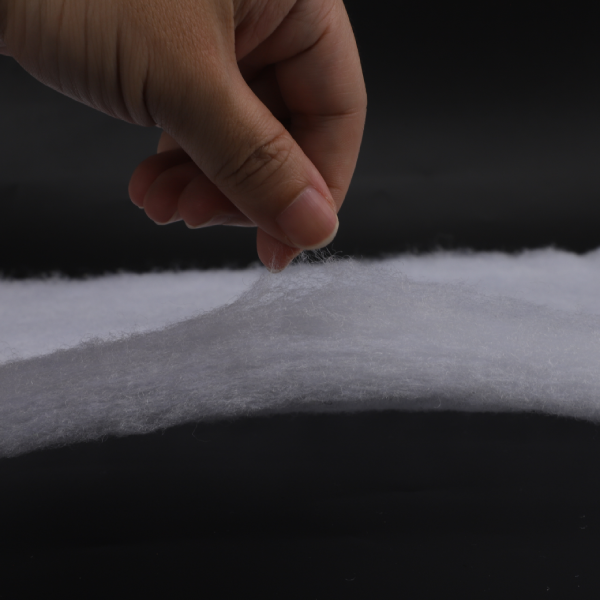
A porous fiber structure such as Sound Absorbing Felt can allow part of the sound energy to enter the material. Through interactions between the fibers and air spaces, some of this sound energy can be dissipated, helping reduce sound reflections.
Sound insulation, however, focuses on whether sound is transmitted from one space to another.
For example, if speech from a meeting room can be heard in an adjacent office, or noise generated by equipment is transmitted to a nearby area, this is a sound transmission problem.
Therefore, Sound Absorption is more concerned with the acoustic environment inside a space, while Sound Insulation is more concerned with sound transmission between different spaces.
This is why buyers should not simply assume that sound absorbing felt and sound insulation material are exactly the same product.
2. Does Your Project Have a Reflection Problem or a Sound Transmission Problem?
Before purchasing acoustic materials, buyers can start with one simple question:
Do I need to reduce sound reflections and reverberation inside a room, or do I need to prevent sound from being transmitted to another space?
If the main problem is excessive speech reflection in a meeting room, high noise levels in an office, noticeable reverberation in a music space, or strong sound reflections from hard interior surfaces, the project is more closely related to a Sound Absorption requirement.
In this situation, materials such as Acoustic Felt, Sound Absorbing Felt, and Acoustic Nonwoven may become part of the acoustic treatment system.
If the main problem is machine noise being transmitted to an adjacent room, obvious sound transmission between rooms, or the need to improve sound isolation between different spaces in a building project, the problem is more closely related to Sound Insulation.
In this case, simply adding a layer of sound absorbing felt may not solve the entire insulation problem on its own.
The buyer needs to consider the complete system, including walls, ceilings, doors, windows, structural layers, and other sound insulation materials.
3. When Is Sound Absorbing Felt the More Relevant Material?
If the main goal of a project is to reduce sound reflections inside a space, Sound Absorbing Felt may be more relevant than simply looking for a material described as “soundproofing.”
For example, offices, meeting rooms, music spaces, commercial interiors, and some entertainment spaces may have problems caused by sound reflections and reverberation.
In these projects, acoustic felt can be installed on walls, ceilings, or other specified areas. Its fiber structure can help absorb part of the sound energy entering the material.
However, buyers should understand one important point:
Sound absorption does not mean blocking all outside noise.
Even if an Acoustic Felt product provides good sound absorption performance, it should not automatically be considered a replacement for a complete building sound insulation system.
If the project goal is to improve acoustic comfort inside a space, reduce echoes, or control reflected sound, sound absorbing materials may be an appropriate direction.
If the project goal is to prevent sound from traveling from one room to another, the complete sound insulation structure needs to be evaluated.
4. When Do You Need Sound Insulation Instead of Sound Absorption?
When sound needs to be prevented from traveling from one space to another, buyers need to consider Sound Insulation.
For example, if compressors, generators, or other equipment in a factory produce noise that is transmitted through walls or equipment structures to nearby areas, using only one sound absorbing material may not automatically solve the entire problem.
The same applies to building projects.
If a meeting room needs to prevent sound from reaching an adjacent office, the focus is not only on whether the wall can absorb sound. The wall structure, material layers, connections, and other building components that affect sound transmission also need to be considered.
Therefore, Acoustic Insulation Material usually needs to be evaluated as part of a specific structure.
For buyers, this means that the product name provided by a supplier should not be the only basis for determining whether a material is suitable for the project.
More importantly, buyers should understand the role of the material within the complete acoustic system.
5. Why Can Acoustic Felt Be Confused With Sound Insulation Material?
One reason for this confusion is that many Acoustic Felt products may be described using terms such as:
Sound Absorbing Felt
Acoustic Felt
Acoustic Insulation Felt
Sound Insulation Material
These terms may be used interchangeably on supplier websites and in different markets.
However, buyers should not determine the final acoustic function of a product based only on its product name.
The same fiber material can have different acoustic performance depending on its thickness, density, structure, installation method, and overall system design.
More importantly, the sound absorption performance of a material and the sound insulation performance of an entire building structure are different levels of evaluation.
Therefore, when purchasing Acoustic Nonwoven or Acoustic Insulation Felt, it is better to tell the supplier:
Where will the material be installed?
What sound problem needs to be solved?
Is the goal to reduce sound reflections inside a space, or to reduce sound transmission to another space?
Will the finished product be used independently, or installed as part of a wall, ceiling, equipment structure, or other composite system?
This information is usually more useful than simply telling a supplier, “I need sound insulation felt.”
6. What Should Buyers Confirm Before Requesting an Acoustic Material Quote?
Before requesting a quotation from an acoustic material supplier, buyers can clarify several basic points.
First, identify the sound problem.
Do you need to reduce sound reflections inside a space, or sound transmission between different spaces?
Second, identify the installation location.
Will the material be used on a wall, ceiling, inside equipment, in automotive components, or in another structure?
Third, identify the role of the material within the system.
Will the material serve as the main sound absorbing layer, or will it function as one layer within a complete acoustic structure?
Fourth, confirm any additional project requirements.
For example, does the project have requirements related to flame retardancy, environmental compliance, dimensions, processing, or other certifications?
Fifth, explain the final application to the supplier.
An experienced Nonwoven Manufacturer China will usually need to understand the final application rather than provide a standard material based only on a product name.
For long-term purchasing projects, buyers should also confirm whether the supplier can maintain stable product structure and consistent specifications between production batches.
7. How Can JHC Support Acoustic Nonwoven Material Projects?
For overseas buyers looking for Acoustic Nonwoven, Sound Absorbing Felt, or Acoustic Insulation Felt, the production process and further processing capabilities of the material supplier are also important.HuiZhou JinHaoCheng Nonwoven Co., Ltd. has production capabilities for needle punched nonwoven and thermal bonding processes and can provide different nonwoven structures according to specific product requirements, with support for OEM, ODM, and Custom Nonwoven Products.
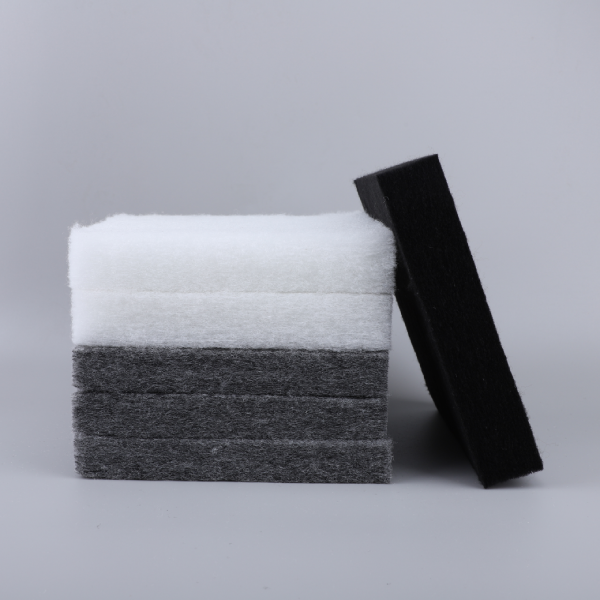
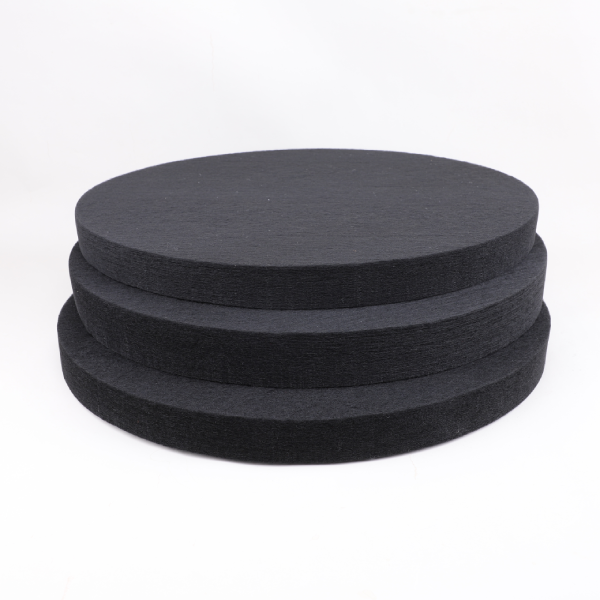
For thermal bonded acoustic applications, JHC has introduced the Thermal Bonded Acoustic Insulation Felt Board, which can be used as one material solution for acoustic material projects.
The actual product specifications and structure should still be confirmed according to the final application, installation method, and project requirements rather than simply based on the terms “sound absorbing felt” or “sound insulation felt.”
Conclusion
For overseas buyers sourcing acoustic materials, Sound Absorption and Sound Insulation are not the same purchasing requirement.
If the project mainly needs to reduce sound reflections, echoes, and reverberation inside a space, the buyer should focus on Sound Absorption and evaluate materials such as Sound Absorbing Felt, Acoustic Felt, or Acoustic Nonwoven.
If the project mainly needs to reduce sound transmission from one space to another, the buyer needs to evaluate the complete structure from a Sound Insulation perspective rather than simply treating sound absorbing felt as a complete sound insulation system.
Therefore, before requesting a quotation from a supplier, the most important question is not:
“Which acoustic felt is the best?”
It is:
“Does my project need sound absorption or sound insulation?”
Identifying this first can help buyers reduce material selection errors and make subsequent quotation, sampling, and project evaluation more accurate.