How to Choose a Welding Floor Protection Mat? A Complete Comparison of Different Welding Floor Protection Mat Types
During welding, cutting, grinding, and metalworking operations, the floor is often one of the most overlooked but vulnerable areas. Welding sparks, molten metal particles, slag, oil, and dragged tools can cause permanent damage to wood flooring, epoxy floors, ceramic tiles, concrete surfaces, and industrial workshop floors.
For this reason, more importers, wholesalers, and industrial protection product brands are looking for professional Welding Floor Protection Mats to provide safer and more durable floor protection solutions for different working environments.
However, there are many types of welding protection mats on the market, including needle punched fire resistant felt, fiberglass welding blankets, silicone welding mats, PVC protective mats, and composite flame-retardant floor mats. What are the differences between them? What should buyers focus on when purchasing?
This article compares different types of materials, application scenarios, GSM, thickness, flame-retardant performance, and OEM customization options to help buyers choose the right welding floor protection material.
Why Do Welding Areas Need Professional Floor Protection Mats?
Many construction sites still perform welding directly on exposed floors or use ordinary felt, cardboard, or plastic sheets as temporary protection.
Although these solutions may have a lower initial cost, they can create several problems during actual construction.
Welding sparks can directly burn wood flooring or PVC surfaces. Molten metal particles can penetrate ordinary materials and leave permanent burn marks. Oil and welding slag can increase subsequent cleaning costs, while frequently dragging equipment across the floor can cause scratches and surface wear.
The purpose of a professional welding floor protection mat is not simply to isolate sparks. More importantly, it creates a stable protective layer during construction to help reduce the risks of thermal damage, mechanical damage, and contamination.
For industries such as construction, shipbuilding, automotive repair, steel structure installation, and industrial equipment maintenance, choosing the right protective mat can improve worksite protection while helping reduce floor repair costs.
What Are the Common Types of Welding Floor Protection Mats?
Different welding environments require different materials. There is no single protection mat that is suitable for every working condition.
Needle Punched Fire Resistant Felt
This is one of the commonly used materials for industrial welding floor protection.
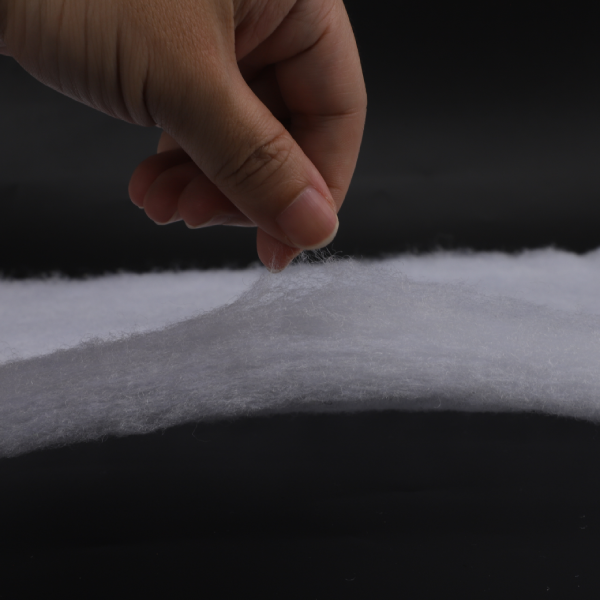
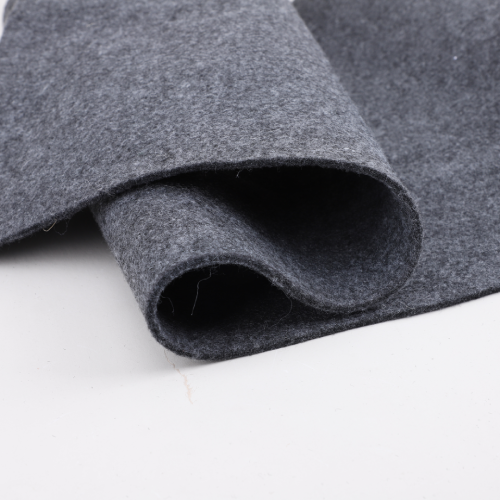
Needle punched fire resistant felt is manufactured through a needle punching process that creates a stable three-dimensional fiber network. Flame-retardant fiber systems can be incorporated according to different application requirements, allowing the material to combine flexibility, abrasion resistance, and flame-retardant performance.
This type of material is suitable for:
Factory welding areas; construction sites; equipment maintenance; steel structure processing; temporary floor protection.
For importers, one of the main advantages of needle punched fire resistant felt is that GSM, thickness, width, color, and flame-retardant grade can be customized, making it suitable for OEM product development.
Fiberglass Welding Blanket
Fiberglass welding blankets offer good high-temperature resistance and are commonly used for welding shielding, equipment covering, and localized fire protection.
However, compared with needle punched felt, fiberglass materials are generally less flexible. Repeated folding may also cause fiber breakage, and they may not be as suitable for delicate surfaces such as wood flooring.
Therefore, fiberglass materials are often more suitable as welding blanket material rather than floor protection mats that need to be frequently installed and moved.
Silicone Welding Mat
Silicone welding mats provide resistance to oil and water as well as a certain level of high-temperature resistance. Their surfaces are also relatively easy to clean, making them suitable for some automotive repair applications.
However, for large-area industrial construction, silicone materials can have a higher cost and size limitations, making them less suitable as large-width roll materials.
Composite Flame Retardant Floor Mat
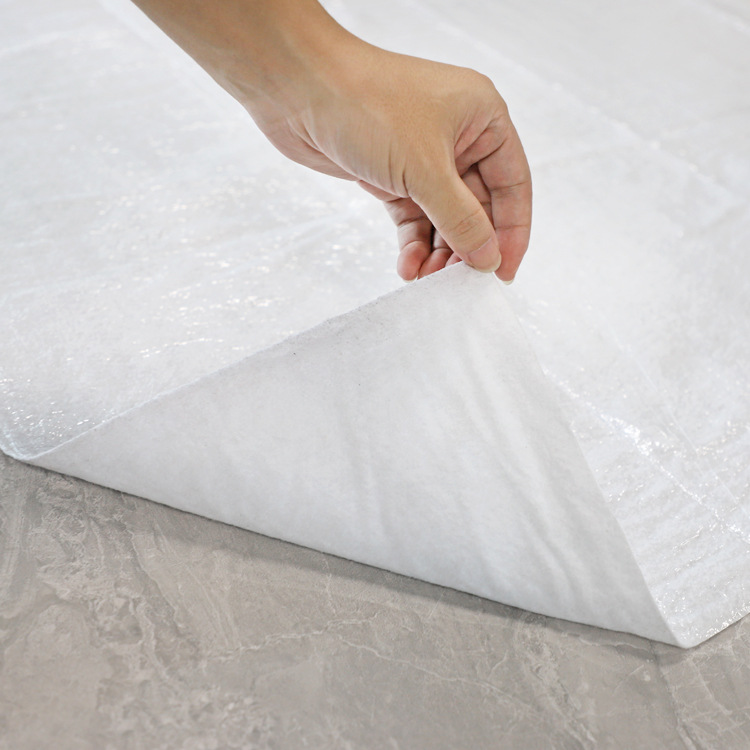
A composite structure usually adds a waterproof, oil-resistant, or anti-slip backing to a flame-retardant needle punched felt surface, allowing the product to provide multiple protective functions.
For applications requiring protection for wood flooring, epoxy floors, or commercial construction sites, this structure can help absorb welding slag and oil on the upper surface while reducing liquid penetration from below.
How Should You Choose a Welding Floor Protection Mat for Different Floor Types?
Different flooring materials have different protection requirements.
Wood Flooring
Wood flooring is particularly vulnerable to heat damage and scratches. Therefore, a thicker flame retardant felt or composite fire-resistant floor mat can be considered to provide cushioning while reducing direct contact between sparks and the wood surface.
Epoxy Flooring
Epoxy floors can be damaged by welding slag and high-temperature particles. A welding protection mat with a wear-resistant surface and stable structure can help protect the floor during construction and reduce damage caused by repeated movement.
Ceramic Tile
Ceramic tiles generally have good heat resistance, but welding slag can accumulate in the gaps between tiles. Therefore, a needle punched flame-retardant mat that is easy to roll, move, and clean can be a practical option.
Concrete Floors
For steel construction and large industrial worksites, concrete floors require greater attention to anti-slip performance, abrasion resistance, and repeated use. Therefore, medium- to high-GSM needle punched nonwoven felt can offer a practical and economical solution.
How Should GSM, Thickness, and Density Be Selected?
Many buyers ask:
What GSM welding floor mat should I choose?
In reality, there is no universal specification.
The material specification should be determined by the working environment rather than simply choosing the thickest or heaviest product.
Light-duty welding protection usually focuses more on flexibility and portability. Medium-weight materials can be suitable for daily industrial maintenance and construction applications, while higher-GSM materials may be more appropriate for frequent welding and heavy-duty equipment areas.
The same principle applies to thickness.
Increasing thickness can improve cushioning performance, but if the material density is insufficient, the overall structure may still be unstable.
Therefore, a professional needle punched felt manufacturer normally considers GSM, thickness, density, and needle punching density together instead of simply increasing the material weight.
Why Is Needle Punched Fire Resistant Felt Suitable for Welding Floor Protection Mats?
Compared with ordinary felt, needle punched fire resistant felt can be more suitable for welding floor protection because of its material structure.
The needle punching process mechanically entangles the fibers to create a stable structure. Because it does not depend on a traditional woven construction, the material can provide good flexibility and dimensional stability.
At the same time, manufacturers can adjust the flame-retardant fiber composition according to different application requirements to develop different flame-retardant grades, such as rapid self-extinguishing, delayed combustion, or higher-level flame-retardant solutions.
For customers requiring long-term bulk purchasing, the needle punched structure also provides flexibility for OEM customization, including different colors, dimensions, roll lengths, and retail packaging.
Therefore, this material is not only suitable for industrial construction but can also serve as an important material for brands developing their own welding protection product lines.
What Parameters Should Buyers Confirm When Purchasing Welding Floor Protection Mats?
Many purchasing problems do not come from the product itself but from incomplete specification confirmation.
Buyers should confirm the following technical information when requesting quotations.
First, confirm the Fiber Type, such as flame-retardant polyester, blended flame-retardant fibers, wool, or other flame-resistant fibers.
Next, confirm GSM, Thickness, and Density, rather than looking only at thickness.
Then confirm the Flame Retardant Grade and clarify the relevant testing requirements and application environment.
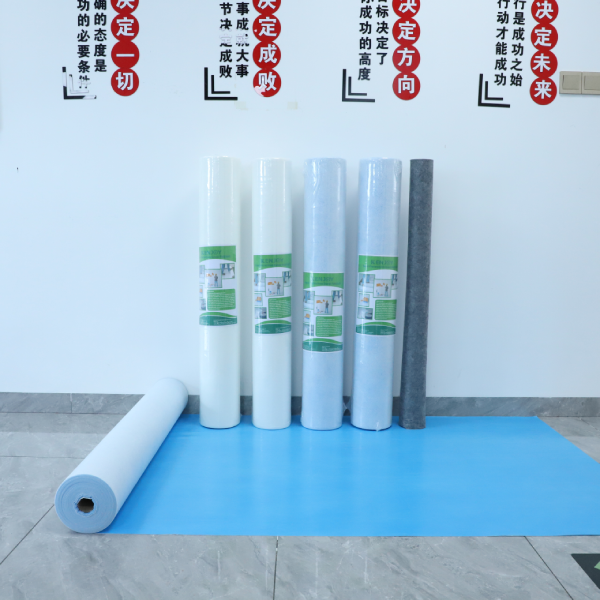
For roll products, buyers should also confirm Width, Roll Length, Cut Size, and Packaging to facilitate subsequent storage and sales.
For branded products, buyers should also confirm whether Private Label, Logo Printing, and OEM/ODM services are available.
A complete product specification provides a stronger basis for consistent bulk production than simply asking a supplier to “produce according to the sample.”
Why Are OEM Welding Floor Protection Mats Important for Wholesalers?
More overseas brands are now purchasing custom welding floor protection mats instead of selling only standard products.
This is because different countries and industries have different requirements for dimensions, packaging, and flame-retardant grades.
For example, some customers require wide rolls for construction projects, while others need retail-sized packages. Some brands may also want to develop their own welding protection product series.
Therefore, a genuine fire resistant felt manufacturer should be able to provide:
Material customization; GSM and thickness customization; flame-retardant grade customization; roll and sheet specifications; color and packaging customization; OEM and ODM services.
For long-term customers, this manufacturing capability can provide a stronger competitive advantage than simply purchasing generic products through trading channels.
How Does Jinhaocheng Provide Customized Welding Floor Protection Mats?
HUIZHOU JINHAOCHENG NONWOVENS CO., LTD. has more than 20 years of experience in needle punched nonwoven R&D and manufacturing. With a production base of approximately 26,000 m² and 15 automated needle punching production lines, we provide stable production capacity for large-volume needle punched nonwoven felt.
As a professional needle punched felt manufacturer, fire resistant felt manufacturer, and nonwoven felt manufacturer in China, we can develop customized flame-retardant needle punched materials according to different welding applications.
Customization options include:
Fiber Composition, GSM, Thickness, Density, Width, Roll Length, Flame Retardant Level, Color, Cut Size, OEM Packaging, and Private Label.
Whether customers need welding floor protection mats, welding fire mats, welding blankets, or industrial fire-resistant materials, we can develop suitable material solutions according to the actual application requirements.
Conclusion: There Is No Single Best Welding Floor Protection Mat—Only the Right Specification for Each Application
When purchasing a welding floor protection mat, the most important factor is not simply choosing the thickest or most expensive product. The key is selecting the right material type for the working environment.
If the project focuses on long-term floor protection, flexibility, and bulk customization, needle punched fire resistant felt can be a highly practical solution with a balanced combination of properties. If the application places greater emphasis on localized high-temperature shielding, other welding protection materials can be evaluated according to the specific working conditions.
For importers, wholesalers, and industrial brands, establishing clear standards for GSM, thickness, flame-retardant grade, and dimensions, while working with a reliable fire resistant felt manufacturer, can help ensure product quality and stable long-term supply.