Why Is Needle Punched Fire Resistant Felt Used for Industrial Equipment Insulation? A Complete Guide to High-Temperature Thermal Protection
Industrial equipment operates under continuous high-temperature conditions in many manufacturing environments. From boilers and industrial furnaces to pipelines, valves, heat treatment systems, and metallurgical equipment, thermal insulation materials are expected to do more than reduce heat loss—they also help improve energy efficiency, protect operators, and support overall equipment safety.
A common question raised by engineers and industrial equipment manufacturers is:
Why do industrial insulation systems increasingly use needle punched fire resistant felt instead of ordinary insulation materials?
The answer is not simply higher temperature resistance.
An effective industrial insulation material also needs to balance flame retardancy, thermal insulation, flexibility, dimensional stability, abrasion resistance, and customization capability. This is one of the main reasons why Needle Punched Fire Resistant Felt has become a preferred solution for industrial thermal protection.
As a professional needle punched felt manufacturer and fire resistant felt manufacturer, Jinhaocheng develops customized fire resistant felt solutions according to different equipment temperatures, material structures, and flame-retardant requirements.
Why Is Thermal Insulation Important for Industrial Equipment?
Industrial machinery continuously generates heat during operation.
Without an appropriate insulation layer, excessive heat loss may reduce energy efficiency, increase operating costs, create burn hazards for workers, and accelerate the aging of nearby components.
Different industrial applications also generate different types of thermal exposure, including:
High operating temperatures from industrial boilers
Thermal radiation from heat treatment equipment
Sparks and molten metal around metallurgical machinery
High-temperature pipelines in chemical plants
Localized heat around exhaust and processing systems
Therefore, industrial insulation materials must not only reduce heat transfer but also provide suitable flame-retardant and heat-resistant performance according to the actual operating environment. High-performance needle punched fire resistant felt is widely used in equipment insulation, welding protection, high-temperature pipeline insulation, and industrial thermal safety applications.
Why Is Needle Punched Fire Resistant Felt Better for Industrial Equipment?
Many conventional insulation materials provide basic thermal insulation, but they may have limitations in flexibility, processing, and installation around complex equipment.
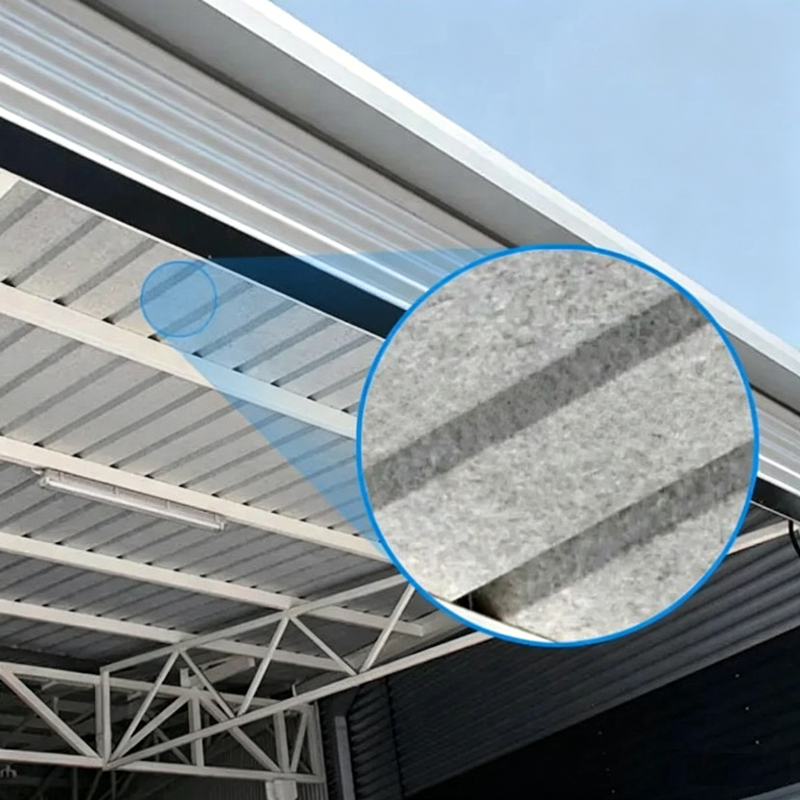
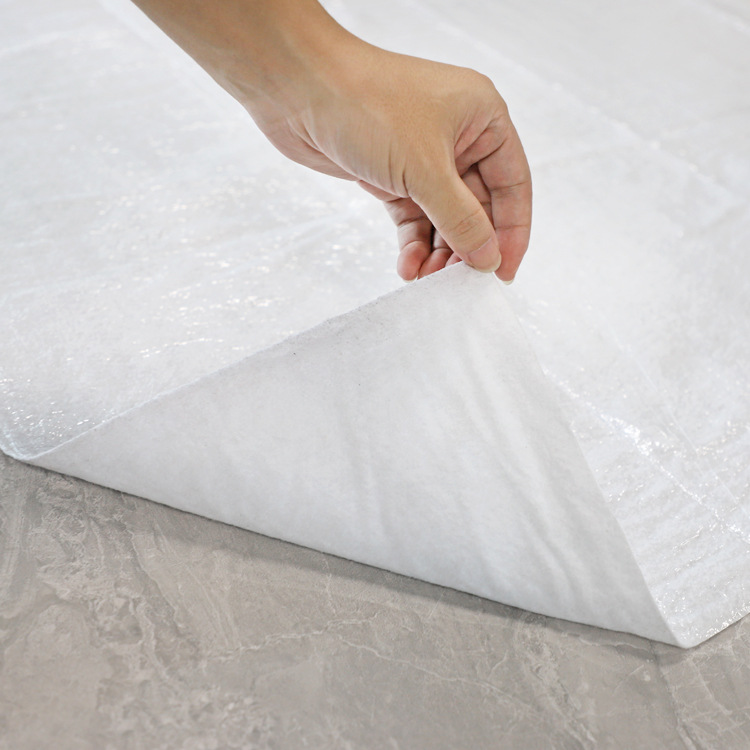
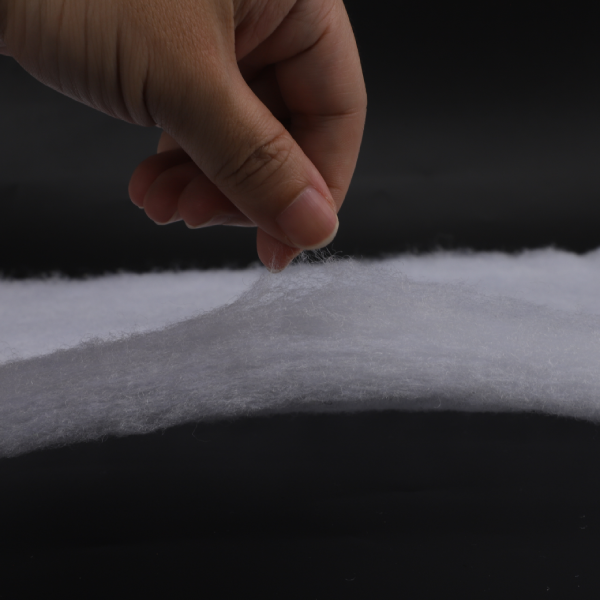
Needle Punched Fire Resistant Felt is manufactured through a mechanical needle punching process that creates a stable three-dimensional nonwoven structure. This provides excellent flexibility while maintaining structural stability and lightweight performance.
Compared with ordinary insulation materials, it is particularly suitable for:
Industrial equipment insulation jackets
Removable thermal insulation covers
Valve and flange insulation
High-temperature equipment lining
Industrial thermal barrier systems
The needle punched structure can also be customized by adjusting GSM, thickness, density, and fiber composition, making it highly suitable for OEM industrial equipment projects.
How Does Needle Punched Fire Resistant Felt Provide Both Thermal Insulation and Flame Retardancy?
Many customers use the terms thermal insulation and fire resistance interchangeably, but they describe different material functions.
Thermal insulation is designed to reduce heat transfer and improve energy efficiency.
Flame retardancy focuses on how a material behaves when exposed to fire, including burning rate, self-extinguishing performance, and flame propagation.
Needle punched fire resistant felt can be developed with different flame-retardant levels according to the selected fiber system, including:
1–5 second self-extinguishing performance
7–15 second self-extinguishing performance
Higher-level flame-retardant structures
Different temperature-resistant material systems
For industrial projects, selecting the appropriate fiber structure according to the equipment's operating conditions is more important than simply choosing the highest temperature rating.
Which Industrial Equipment Commonly Uses Needle Punched Fire Resistant Felt?
Industrial Boilers and Steam Systems
Boilers operate continuously under high temperatures, making external insulation important for both energy efficiency and operator safety.
Needle punched fire resistant felt can be incorporated into boiler insulation systems to reduce heat loss while adapting to complex curved equipment surfaces.
High-Temperature Pipelines and Valves
Industrial pipelines often require removable insulation systems for maintenance purposes.
Because of its flexibility and easy processing, needle punched fire resistant felt is suitable for insulating pipelines, valves, flanges, and irregular equipment components. It is also commonly used inside removable industrial insulation jackets.
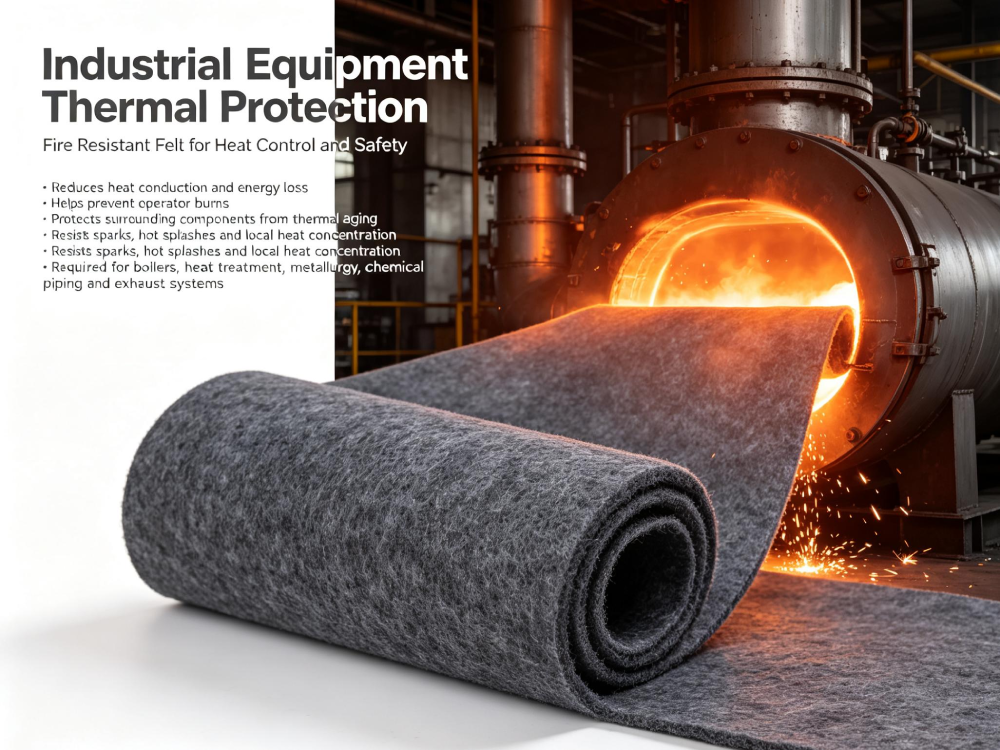
Heat Treatment and Industrial Furnace Equipment
Heat treatment systems are exposed to continuous thermal radiation and elevated temperatures.
Depending on the required operating temperature, different fiber systems such as oxidized PAN, fiberglass, silica-based fibers, or other high-temperature fibers can be used to develop suitable industrial insulation felt.
Welding Equipment and Spark Protection
Welding environments involve both high temperatures and molten metal sparks.
For this reason, welding protection mats typically require excellent flame-retardant performance together with abrasion resistance, making needle punched fire resistant felt an important material for welding protection systems.
Why Is Flexibility Important for Industrial Insulation Materials?
Industrial equipment is rarely made of flat surfaces alone.
Pipelines, elbows, valves, flanges, and other irregular structures require insulation materials that can conform to complex shapes.
If an insulation material is too rigid, installation becomes more difficult and thermal gaps may reduce insulation efficiency.
Needle punched fire resistant felt offers excellent flexibility, allowing it to be cut, folded, and wrapped around complicated equipment geometries. For OEM projects, customized widths, thicknesses, and die-cut components can also improve installation efficiency.
How Do Different Fiber Systems Affect Industrial Thermal Performance?
Industrial needle punched fire resistant felt is not a single material. Different fibers are selected according to the required operating temperature.
For example:
Flame Retardant Polyester Fiber is suitable for medium-temperature flame-retardant insulation applications.
Oxidized PAN Fiber provides excellent thermal stability and flame-retardant performance for higher-temperature environments.
Fiberglass Needle Punched Felt is suitable for higher-temperature pipeline insulation and industrial thermal protection.
Carbon Fiber and Other High-Temperature Fibers are used for specialized industrial thermal insulation systems.
Therefore, when selecting industrial fire resistant felt, customers should first confirm the continuous operating temperature, peak temperature, and application environment, rather than selecting a material based only on its name.
Why Should Industrial Projects Not Compare Materials Only by Temperature Rating?
Many customers begin by asking:
“What is the highest temperature your felt can withstand?”
However, this alone cannot determine whether the material is suitable.
Industrial insulation materials need to balance several factors, including:
Continuous operating temperature
Peak temperature exposure
Thermal radiation or direct flame
Mechanical abrasion
Compression recovery
Installation method
Flame-retardant requirements
Processing performance
For example, two materials may have similar temperature ratings while offering completely different flexibility, weight, dimensional stability, and manufacturing characteristics.
A professional selection process should therefore follow:
Application → Temperature → Flame Retardancy → Material Structure → GSM & Thickness → Processing Method
instead of simply comparing maximum temperature.
Why Is Needle Punched Fire Resistant Felt Ideal for OEM Industrial Equipment Projects?
Industrial equipment manufacturers rarely purchase one standard material for every application.
Instead, insulation materials are typically customized according to equipment structures.
Common customization options include:
GSM
Thickness
Width
Roll length
Color
Fiber composition
Flame-retardant grade
Die-cut dimensions
Irregular cut parts
Composite structures
OEM packaging
The flexibility of the needle punching process allows customized insulation materials to be developed according to individual industrial equipment projects rather than forcing customers to adapt their equipment to standard products.
How Can You Identify a Reliable Industrial Fire Resistant Felt Manufacturer?
For long-term industrial projects, manufacturing capability is often more important than the product itself.
Customers should evaluate whether the manufacturer:
Has its own needle punching production lines
Can consistently control GSM and thickness
Supports different fiber systems
Provides OEM and ODM customization
Offers customized flame-retardant performance
Has stable large-scale production capacity
Can develop materials according to equipment drawings
A professional needle punched felt factory is better positioned to maintain consistency between approved samples and bulk production, reducing quality risks in industrial applications.
How Does Jinhaocheng Provide Industrial Needle Punched Fire Resistant Felt Solutions?
HUIZHOU JINHAOCHENG NONWOVENS CO., LTD has more than 20 years of experience in needle punched nonwoven manufacturing, supported by an approximately 26,000 m² production facility and 15 automated needle punching production lines.
As a professional needle punched fire resistant felt manufacturer, flame retardant felt manufacturer, and nonwoven felt manufacturer China, we support customized development based on different flame-retardant grades, operating temperatures, and fiber systems.
According to industrial equipment requirements, we can provide:
Flame retardant needle punched felt
Heat resistant insulation felt
High-temperature industrial insulation materials
Welding fire resistant felt
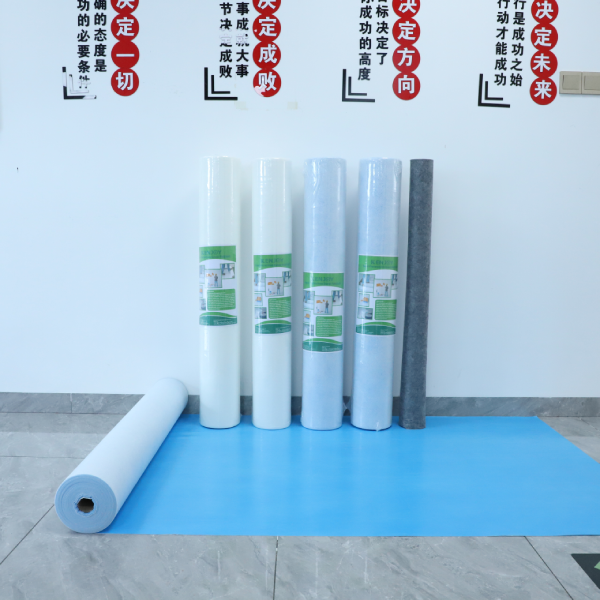
Industrial fire resistant felt rolls
OEM and ODM customized specifications
From material development to mass production, we help customers establish stable insulation solutions tailored to industrial equipment applications.
Conclusion: Industrial Equipment Insulation Requires More Than Heat Resistance
The value of industrial insulation materials goes beyond temperature resistance alone.
An excellent insulation material should achieve a practical balance between flame retardancy, thermal insulation, flexibility, dimensional stability, abrasion resistance, processability, and batch consistency.
For industrial boilers, heat treatment equipment, pipelines, valves, welding systems, and other high-temperature machinery, Needle Punched Fire Resistant Felt has become an increasingly important insulation solution.
If you are looking for a reliable fire resistant felt manufacturer or needle punched felt manufacturer China, working with a manufacturer that offers OEM customization and stable long-term production can provide greater confidence for industrial equipment projects.