Why Does Needle Punched Felt Shed Fibers or Pill in Industrial Use?
In industrial applications, needle punched felt may look stable when first received, but fiber shedding, lint, or pilling can appear after repeated friction, vibration, or contact with other components. This is common in machinery parts, automotive components, die-cut parts, and dust-control structures.
These problems are not caused by one factor alone. Fiber type, fiber entanglement, surface structure, finishing process, and the actual friction conditions all affect the surface stability of needle punched felt. For buyers, understanding these factors before bulk purchasing can help reduce the risk of surface shedding and pilling during actual use.
Why Does Needle Punched Felt Shed Fibers or Lint?
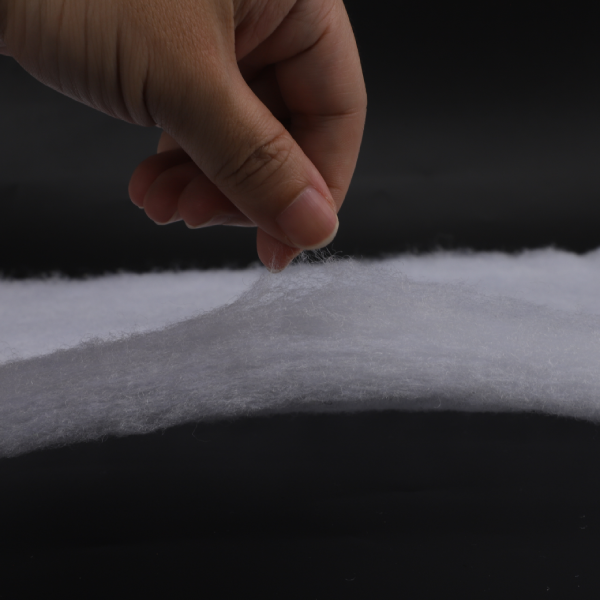
Fiber shedding usually occurs when loose or exposed fibers remain on the felt surface and are not sufficiently secured within the nonwoven structure.
During production, fibers are mechanically entangled through needle punching. However, the same GSM and thickness do not necessarily mean that two needle punched felts will have the same surface stability. Differences in fiber characteristics, fiber entanglement, surface structure, and finishing can result in different shedding performance.
When the felt is exposed to repeated friction, vibration, or contact with another material, loose surface fibers can gradually break away from the surface. This can become a problem when the felt is used inside machinery, automotive components, dust-control parts, or other applications where loose fibers are unacceptable.
Why Do Some Needle Punched Felts Pill More Easily?
Pilling is different from simple fiber shedding. Pilling occurs when loose fibers become entangled into small fiber balls after repeated friction.
This is more likely in applications where the felt is continuously exposed to dynamic friction, such as moving mechanical components, sliding contact areas, automotive interior contact points, dust-control structures, or vibration environments.
A felt may therefore perform well during a simple visual inspection but develop visible pills after repeated contact. This is why evaluating the material only by its initial appearance may not be sufficient for industrial applications.
Which Materials and Surface Conditions Are More Likely to Cause Shedding?
The tendency of needle punched felt to shed can be influenced by fiber length, fiber fineness, surface characteristics, needle-punched structure, and finishing conditions.
The relationship is not simply that more needle punching always produces a better surface. The final surface condition depends on how the fibers are secured within the structure and how the surface is finished.
If surface shedding is an important requirement for the final product, buyers should include the surface stability requirement in the RFQ rather than relying only on specifications such as GSM and thickness.
When Should Buyers Request Singeing, Calendering, or Heat Setting?
Different finishing processes can be considered according to the actual surface and dimensional requirements of the application.
Singeing can be used to remove loose surface fibers and create a cleaner surface. It can be useful when exposed fibers are a concern, but it should not be specified automatically for every application.
Calendering can make the surface smoother and more compact. However, it may also affect the felt's thickness, hand feel, and air permeability, so the final requirements should be confirmed before production.
Heat setting can improve dimensional and structural stability, particularly for synthetic fiber materials used under temperature changes or conditions where dimensional consistency is important.
The key is not to select a finishing process simply because it sounds more advanced. Buyers should define the required surface stability and functional performance, then validate the selected finishing treatment through samples.
How Can Buyers Evaluate Fiber Shedding Risk Through Samples?
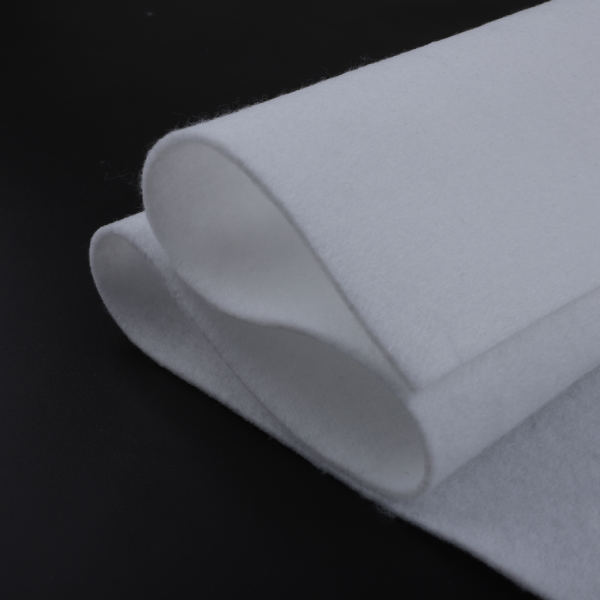
Before bulk production, buyers can use samples to evaluate whether the surface is likely to shed or pill during actual use.
Start with a visual inspection of the surface to identify loose fibers, uneven areas, or other visible surface defects.
Then conduct dry friction testing based on the actual contact material and movement conditions of the application.
For applications involving repeated contact, perform repeated friction testing rather than relying on a single rubbing test.
After testing, check the amount of fiber residue, lint, or visible pilling left on the contact surface.
For critical industrial components, the final step should be component-level validation under conditions that are as close as possible to actual use.
What Should Buyers Include in the RFQ Specification?
If fiber shedding or pilling can affect the final product, the requirement should be clearly included in the purchasing specification.
The RFQ can define the expected fiber shedding performance, pilling requirement, and whether a specific surface treatment is required.
It is also useful to describe the actual friction conditions, contact material, expected service life, visual inspection requirements, and sample approval criteria.
If the product requires die-cutting or other secondary processing, buyers should also confirm whether singeing, calendering, or heat setting is compatible with the final processing requirements.
A clear RFQ helps suppliers understand that surface stability is not simply an appearance requirement, but part of the product's actual industrial performance.
How Can HuiZhou JinHaoCheng Nonwoven Co., Ltd. Support Custom Industrial Needle Punched Felt?
For industrial applications, material selection and surface requirements should be evaluated together with the actual working conditions.
When requesting a quotation, buyers can provide the application location, contact material, friction conditions, expected service life, GSM, thickness, surface requirements, die-cutting requirements, and any required singeing, calendering, or heat-setting treatment.
This information allows the supplier to evaluate the material structure and finishing requirements more accurately and provide samples for validation before bulk production.
Conclusion
Fiber shedding and pilling in needle punched felt are not necessarily caused by a single quality issue. They can result from the combination of fiber characteristics, needle-punched structure, surface condition, finishing process, and actual friction environment.
For industrial applications where surface cleanliness and stability are important, buyers should not evaluate felt only by GSM, thickness, or initial appearance. Defining the actual surface requirement and validating samples under realistic friction conditions can help reduce the risk of shedding and pilling before bulk purchasing.