Why Does Thermal Bonded Wadding Show Fiber Migration After Washing? A Buyer’s Validation Guide
For buyers of bedding, garments, quilts, and other quilted products, thermal bonded wadding may look soft and lofty at the sample stage, but that does not necessarily mean the finished product will remain stable after repeated washing.
Some products may develop fiber migration through the fabric, localized clumping, or changes in the filling structure after washing. This can be particularly noticeable with white or light-colored fabrics and may directly affect the appearance of the finished product.
Therefore, for products that require repeated washing, the key purchasing question is not simply whether the thermal bonded wadding “looks good,” but:
Will the thermal bonded wadding maintain a stable filling structure after actual washing while minimizing visible fiber migration through the fabric?
Why Does Thermal Bonded Wadding Show Fiber Migration After Washing?
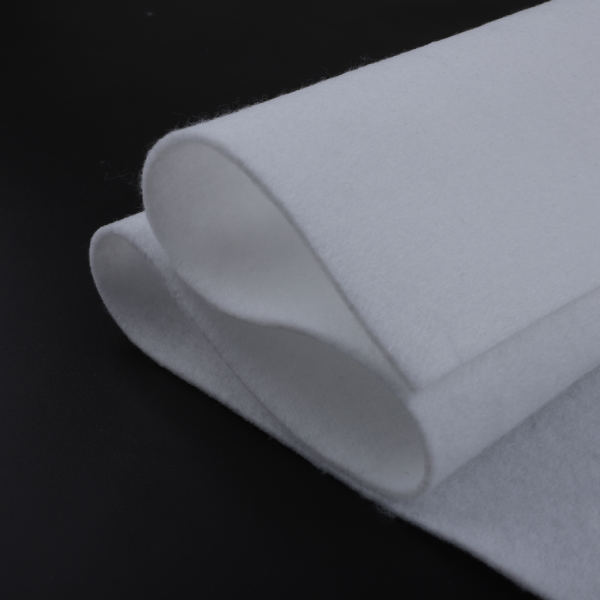
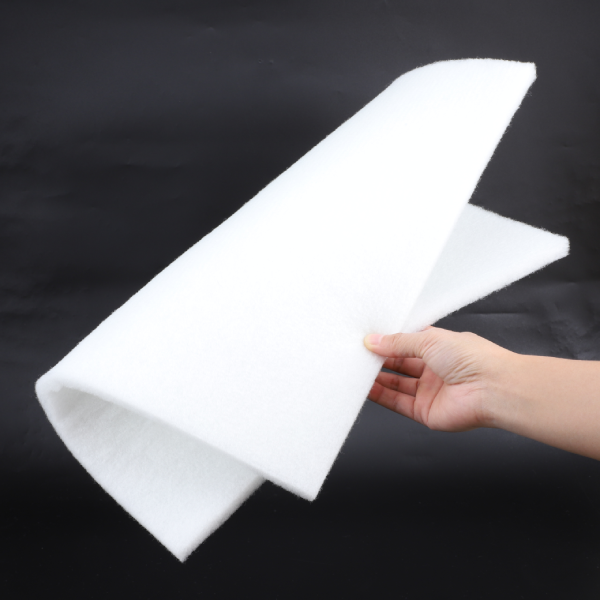
Thermal bonded wadding is a nonwoven filling material formed from fibers and bonded through a thermal bonding process. Under normal conditions, the fibers should maintain a relatively stable structure.
However, during repeated washing, mechanical agitation, spinning, and drying, the filling layer is continuously exposed to mechanical forces.
If the internal fiber structure does not have sufficient stability, some fibers may gradually move toward the surface and become visible through the gaps between the yarns of the outer fabric.
Therefore, fiber migration is not simply an appearance issue. It may also indicate changes in the structural stability of the filling material under actual washing conditions.
Buyers should not inspect only the material when the sample is first received. They should also evaluate how the material changes before and after washing.
Why Does the Degree of Fiber Migration Vary Between Different Thermal Bonded Wadding Products?
Different thermal bonded wadding products can show noticeably different washing performance, even when they have the same product name, GSM, and thickness.
Factors affecting fiber migration after washing include fiber composition, fiber structure, thermal bonding condition, loft structure, and the quilting and covering method used in the final product.
In addition, thermal bonded wadding is not normally used as a standalone product.
It is usually combined with fabric, quilting structures, or other materials. Therefore, checking whether fibers migrate from the surface of the wadding alone cannot fully represent the performance of the finished product.
For products that require repeated washing, buyers should pay closer attention to:
Surface condition before washing → fiber migration after washing → changes in filling structure → changes in finished-product appearance.
This process provides more useful information than simply comparing the initial appearance of samples from different suppliers.
Which Products Need More Attention to Fiber Migration After Washing?
Not all thermal bonded wadding products require the same level of washing validation.
If the final product will be washed frequently, fiber migration should be one of the performance requirements confirmed during procurement.
For example, bedding, quilt filling, mattress filling layers, washable home textiles, outerwear, and other quilted products may undergo repeated washing.
For light-colored or thin outer fabrics, even a small amount of fiber migration can be highly visible.
Therefore, buyers should determine the required testing level based on the washing frequency, fabric structure, and appearance requirements of the final product, rather than simply assuming that “washable” means all products will have the same washing performance.
How Should Buyers Design a Thermal Bonded Wadding Washing Test?
Before placing a bulk order, buyers should validate samples using the actual product structure.
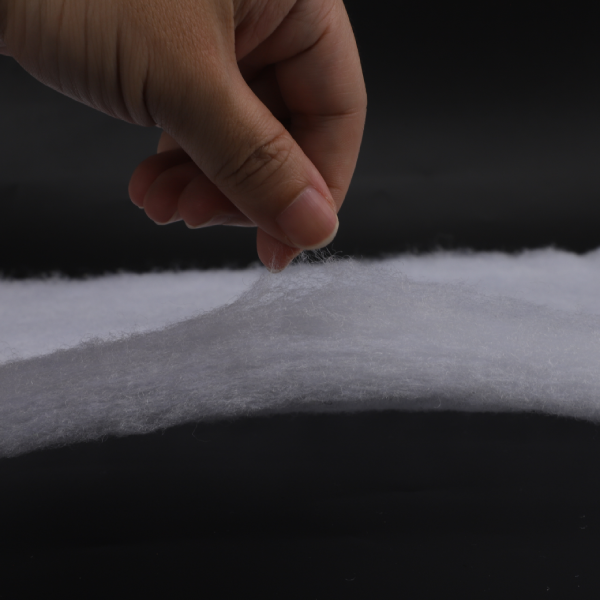
First, inspect the surface and filling condition of the thermal bonded wadding before washing, and record the material thickness, loft, and any visibly loose fibers on the surface.
Then combine the thermal bonded wadding with the actual fabric used in the final product instead of testing the wadding alone.
Carry out washing, spinning, and drying according to the actual use conditions of the finished product, and observe the changes after one or multiple washing cycles.
The key points to check include:
Whether visible fiber migration occurs
Whether localized clumping occurs
Whether the filling layer becomes noticeably thinner or uneven
Whether new fiber migration appears on the surface
If the final product is washed frequently, it is better to perform repeated testing based on the expected service cycle rather than approving a supplier sample after only one wash.
Do Not Test Only the Wadding—Test the “Wadding + Fabric” Combination
This is an important point that buyers can easily overlook during sample validation.
The performance of thermal bonded wadding is directly related to the structure of the outer fabric.
Different fabrics have different yarn densities, textile structures, and surface characteristics. Even when exactly the same thermal bonded wadding is used, the final performance may differ.
Therefore, if the buyer's real concern is whether the finished product will show fiber migration, the most valuable test is not:
Testing the thermal bonded wadding alone.
It is:
Thermal bonded wadding + actual fabric + actual quilting structure + actual washing conditions.
This provides a closer representation of the real use environment after the product reaches the market.
For projects requiring long-term supply stability, buyers should also consider using the validated sample as the reference for subsequent bulk purchasing.
How Should Buyers Specify Fiber Migration Requirements in the Purchasing Specification?
If fiber migration can affect the finished product, buyers should not simply write “washable” or “good washing performance” in the RFQ.
More specific purchasing requirements should include the washing method, number of washing cycles, fabric combination, appearance requirements, and acceptable fiber migration criteria after washing.
Buyers can also ask suppliers to confirm the following during the sampling stage:
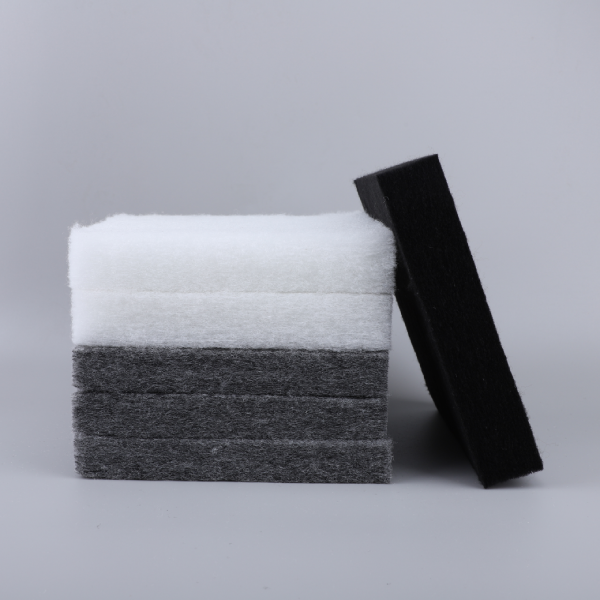
Fiber composition of the thermal bonded wadding
GSM and thickness
Structural changes before and after washing
Whether visible fiber migration occurs
Whether noticeable clumping or localized structural changes occur
This allows suppliers to understand the purchasing requirements more accurately and makes samples from different suppliers easier to compare.
For long-term orders, buyers should also confirm that bulk-production products will follow the same key specifications and quality requirements as the approved sample.
How Can JHC Support Custom Thermal Bonded Wadding?
For thermal bonded wadding projects requiring washing stability, supplier selection should not be based on price alone. It should also consider fiber materials, product structure, GSM, thickness, and the final application environment.
HuiZhou JinHaoCheng Nonwoven Co., Ltd. has production capabilities for thermal bonded wadding, needle punched nonwoven, and other custom nonwoven materials, and can adjust material specifications according to customers' product structures and application requirements while supporting OEM/ODM customization.
When requesting a quotation, buyers can provide the final product type, outer fabric, expected number of washing cycles, GSM, thickness, and requirements for fiber migration and filling stability. This allows the supplier to provide samples for application-specific validation.
Conclusion
For home textile and garment products that require repeated washing, thermal bonded wadding should not be evaluated only by its initial loft, thickness, or price.
What really needs to be validated is:
Whether the filling structure remains stable after actual washing and whether visible fiber migration occurs.
Therefore, buyers should ideally validate samples using thermal bonded wadding + actual fabric + actual washing conditions before bulk production, while clearly defining requirements for fiber migration and structural changes after washing.
This can help identify potential problems before bulk purchasing and give buyers a clearer and more comparable validation standard when evaluating samples from different suppliers.