Needle Punched Felt vs Woven Felt: Which Is Better for Industrial Applications? A Complete Buyer’s Guide
For industrial product development, automotive components, building materials, filtration systems, and protective packaging, Needle Punched Felt and Woven Felt are two commonly considered industrial felt materials.
Many buyers searching for a suitable supplier ask questions such as:
What is the difference between Needle Punched Felt and Woven Felt?
Which material is better for industrial applications?
At first glance, both materials are called “felt” and may look somewhat similar. However, their manufacturing processes, internal structures, performance characteristics, and application areas are significantly different.
The right choice is not simply about deciding which material is “better.” Instead, buyers should select the material structure that best matches the final application. Choosing the wrong material may shorten product life, reduce processing efficiency, and increase long-term purchasing costs.
This guide compares Needle Punched Felt vs Woven Felt from five key perspectives: manufacturing process, material structure, performance, industrial applications, and cost, helping buyers determine which material is more suitable for their products.
What Is Needle Punched Felt?
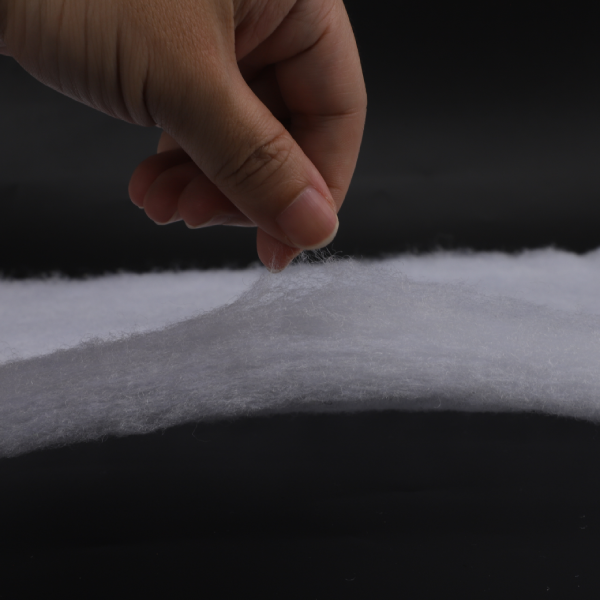
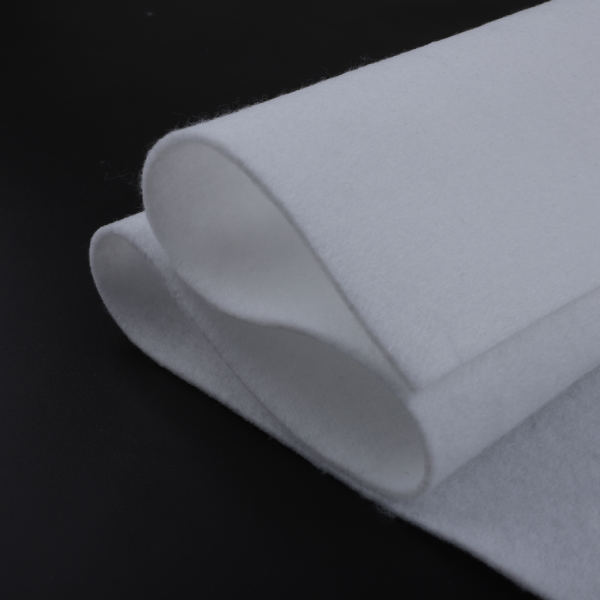
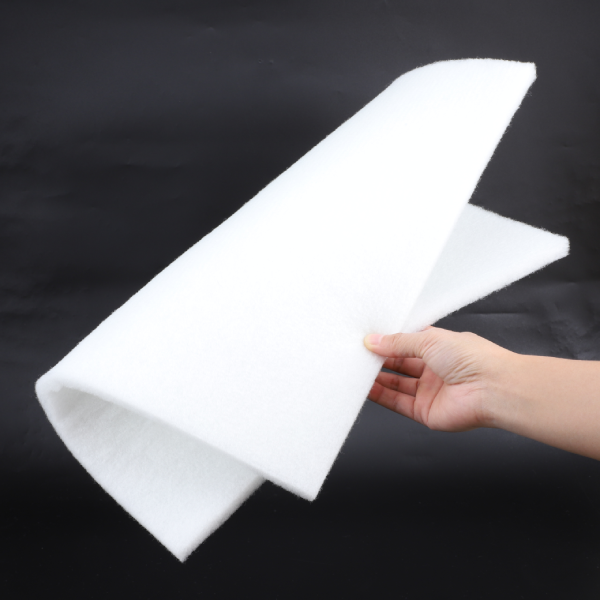
Needle Punched Felt is a typical needle punched nonwoven felt. Unlike woven materials, it is not produced by interlacing warp and weft yarns. Instead, short fibers such as polyester, polypropylene, viscose, and flame-retardant fibers are carded into a fiber web and repeatedly punched with barbed needles.
The repeated needle punching causes the fibers to become mechanically entangled, creating a stable three-dimensional fiber structure.
One of the most important characteristics of this manufacturing process is that the material does not have a fixed warp or weft direction. The fibers support each other in different directions, giving the material good cushioning, sound absorption, air permeability, and processing flexibility.
For industrial buyers, another major advantage is the high level of specification customization available with needle punched felt.
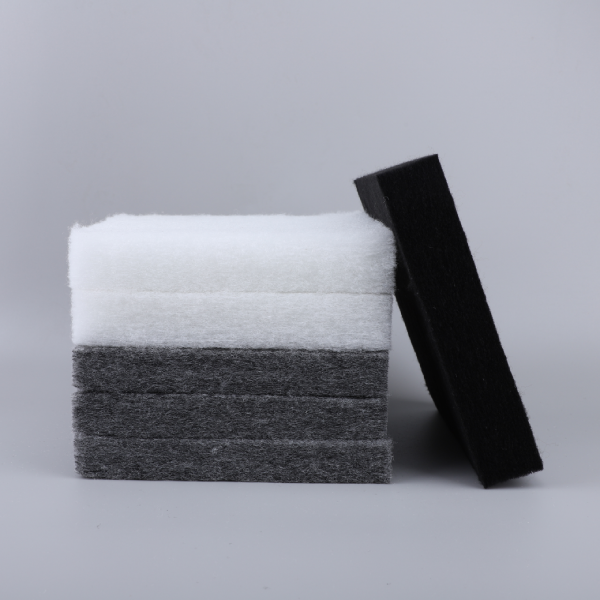
Manufacturers can adjust GSM, Thickness, Density, Color, and Composite Structure according to the final product requirements. As a result, the same basic needle punched material can be developed into Floor Protection Roll, Painter Felt, filtration felt, automotive interior felt, sound absorption felt, and protective packaging materials.
This flexibility is one of the reasons why more brands and OEM buyers are looking for a professional needle punched nonwoven felt manufacturer rather than simply purchasing fixed-standard materials.
What Is Woven Felt?
Unlike needle punched felt, Woven Felt starts as a woven textile.
Warp and weft yarns are interlaced to create the basic fabric structure, which may then undergo processes such as heat treatment, pressing, or finishing to create a felt-like surface.
Because of this manufacturing method, woven felt retains a clear fabric structure and directional characteristics.
This structure provides good dimensional stability and directional strength, making woven felt suitable for certain applications involving continuous mechanical force, industrial transmission, printing blankets, and specialized sealing materials.
However, because its structure is based on woven yarns, woven felt generally offers less flexibility than needle punched felt when it comes to thickness variation, three-dimensional cushioning, and certain composite processing requirements.
The basic difference can therefore be summarized as follows:
Needle Punched Felt is mainly a three-dimensional nonwoven fiber structure, while Woven Felt is mainly a two-dimensional woven textile structure.
What Is the Biggest Difference Between Needle Punched Felt and Woven Felt?
Many buyers assume that the difference between the two materials is simply that one is thicker or thinner. In reality, the fundamental difference comes from their internal material structures.
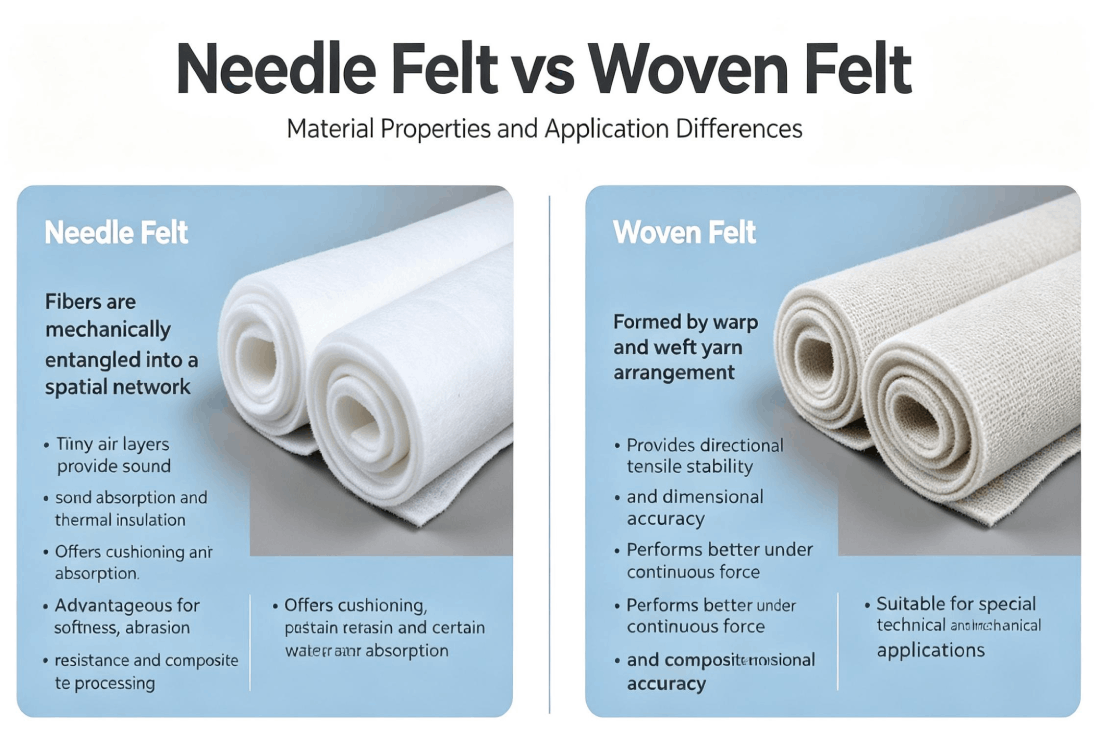
Needle punched felt relies on numerous fibers becoming mechanically entangled to form a three-dimensional network. This structure creates many small air spaces inside the material, which can contribute to sound absorption, thermal insulation, cushioning, and certain absorbency characteristics.
Woven felt, on the other hand, relies on an organized warp-and-weft structure. Its main advantages are directional stability, fabric strength, and dimensional consistency.
In other words, if your product requires softness, cushioning, sound absorption, abrasion resistance, or composite processing, needle punched felt will often provide greater flexibility.
If the product places greater emphasis on directional dimensional stability, continuous mechanical force, or specialized mechanical applications, woven felt may be more suitable.
Therefore, buyers should not simply compare which material is more expensive.
The more important question is:
What problem does my product actually need to solve?
The material structure should always serve the product function rather than the other way around.
Why Are More Industrial Products Choosing Needle Punched Felt?
In recent years, needle punched felt has been increasingly used in construction, automotive manufacturing, industrial packaging, and other sectors.
This does not mean that needle punched felt can completely replace woven felt. Instead, its growing popularity comes from its greater structural design flexibility.
Needle punched felt can be modified through several important parameters, including:
Fiber Type
GSM
Thickness
Punching Density
Backing Material
Composite Structure
For example, a polyester needle punched felt can be combined with PE waterproof backing to create a Floor Protection Roll. Increasing fiber density can improve abrasion resistance, while adjusting the fiber structure can help develop materials for sound absorption or filtration.
This means that buyers are not simply purchasing a piece of “felt.” They are purchasing a material platform that can be continuously developed according to the requirements of the final product.
For OEM products, this level of customization can be more valuable than the material name itself.
Which Industrial Applications Are Better Suited to Needle Punched Felt?
One of the most important advantages of needle punched felt is its ability to combine protection, absorption, cushioning, and processing performance. As a result, it has become a basic material for many industrial products.
In the construction and renovation industry, needle punched felt is widely used for Floor Protection Roll and Painter Felt. These products can be used to protect wood flooring, ceramic tiles, concrete floors, and finished surfaces during construction and renovation.
They can help absorb water and paint while reducing friction between tools and protected surfaces.
In the automotive industry, needle punched felt is widely used in automotive carpets, trunk liners, wheel-arch insulation, and sound absorption materials.
Because the three-dimensional fiber structure can help absorb noise while providing suitable abrasion resistance, needle punched felt has become an important material for automotive interiors.
In protective packaging, needle punched felt can be used as a cushioning layer for glass, furniture, electronics, and precision components, helping reduce the risk of impact during transportation.
In industrial filtration, the three-dimensional fiber structure provides a porous filtration medium that can be used in industrial dust collection and filtration systems.
Overall, needle punched felt is particularly suitable for industrial products that require multiple functional properties, rather than only a basic felt material.
Which Applications Are Still Better Suited to Woven Felt?
Although needle punched felt has a wide range of applications, woven felt continues to have advantages in specific industrial environments.
For example, woven felt may be considered for mechanical sealing, industrial transmission, printing blankets, and applications that require continuous directional loading.
Because the warp and weft yarns create an organized structure, woven felt can provide stable dimensional performance in certain precision mechanical applications.
Therefore, industrial buyers should not assume that every project should use needle punched felt.
A professional material selection process should begin with the product’s working environment and performance requirements, followed by the selection of the most appropriate material structure.
Price and thickness alone should not determine the decision.
Why Is Needle Punched Felt Increasingly Used in the Filtration Industry?
Filtration is one of the important industrial applications of needle punched felt.
Traditional woven filter media mainly rely on the surface of the fabric to capture particles, while needle punched felt creates a three-dimensional fiber network through which air or liquid can pass.
Particles can be captured throughout the fiber layer, creating what is commonly referred to as depth filtration.
This structure can provide high dust-holding capacity and support longer filter service life, making needle punched felt widely used in industrial dust collection systems.
For environmental equipment manufacturers, the important characteristics of filter media are therefore not limited to thickness.
The relationship between fiber structure, porosity, and punching density is also important.
This is one reason why more filtration products are using customized needle punched nonwoven materials rather than relying only on fixed-standard woven materials.
Is Needle Punched Felt Always Cheaper Than Woven Felt?
This is one of the most common questions during the purchasing process.
The answer is no.
The price of industrial felt is influenced by much more than the manufacturing process.
Important factors can include fiber type, GSM, thickness, density, composite materials, surface treatment, color, and order quantity.
For example, standard polyester needle punched felt may offer a cost advantage compared with certain specialized woven felt products. However, high-performance flame-retardant needle punched felt, PE-laminated waterproof felt, or automotive-grade needle punched felt may cost more than standard woven products.
Therefore, long-term buyers should focus not only on the purchase price but also on:
Cost Per Use
If a material can be reused, has a longer service life, and provides stable batch quality, a slightly higher unit price may still result in lower overall operating costs.
For importers and brand customers, this long-term value can be more important than simply choosing the lowest quotation.
How Can Buyers Determine Which Material Is Better for Their Product?
A reliable approach is to start with the product’s required functions rather than asking a supplier what materials they currently have in stock.
If the product requires sound absorption, thermal insulation, cushioning, waterproof composite construction, floor protection, or protective packaging, needle punched felt is often a suitable option because its fiber structure can be adjusted to achieve different performance requirements.
If the product places greater emphasis on dimensional stability, continuous friction, directional strength, or specialized mechanical applications, woven felt can also be evaluated.
Therefore, a more professional purchasing process is:
Final Application → Performance Requirements → Material Structure → GSM & Thickness → OEM Development
Rather than:
Price → Thickness → Order
This difference in purchasing logic is particularly important for professional industrial buyers.
Why Are OEM Products More Likely to Use Needle Punched Nonwoven?
For brands and product development teams, the most important question is not simply what material is available, but whether the material can be developed around the actual product requirements.
As a professional needle punched felt manufacturer, needle punched nonwoven can be customized according to different projects, including:
Fiber Type
GSM
Thickness
Width
Roll Length
Punching Density
Backing Material
Surface Treatment
Color
OEM Packaging
For example, the same basic needle punched felt can be developed into:
Floor Protection Roll
Automotive Sound Insulation Felt
Protective Packaging Material
Industrial Filtration Material
PE Waterproof Composite Felt
This high level of design flexibility makes needle punched felt an attractive material for many OEM projects and allows a professional custom nonwoven felt manufacturer to participate in new product development rather than simply supplying standard materials.
How Does Jinhaocheng Help Customers Develop Industrial Needle Punched Felt Products?
Huizhou Jinhaocheng Nonwovens Co., Ltd. was established in 2005 and specializes in the development and production of needle punched nonwoven materials and composite materials.
The company has a production base of approximately 26,000 m² and 15 automated needle punching production lines, providing stable OEM/ODM manufacturing services for global customers.
As a professional needle punched nonwoven felt manufacturer, needle punched felt factory China, and nonwoven felt manufacturer China, Jinhaocheng provides more than standard needle punched felt.
We can customize Fiber Type, GSM, Thickness, Width, Roll Length, PE/TPE composite structures, surface treatment, color, and packaging according to different industrial applications.
Our products are widely used in Floor Protection Roll, Painter Felt, automotive interiors, industrial filtration, sound absorption, thermal insulation, and protective packaging, supporting importers, wholesalers, distributors, and brand customers with long-term supply.
Our goal is not simply to manufacture felt materials, but to help customers develop more stable and competitive material solutions for their products.
Conclusion: There Is No “Best” Industrial Felt, Only the Right Material Structure
For industrial applications, Needle Punched Felt vs Woven Felt is not simply a question of choosing one material over another. It is fundamentally a question of matching material structure with product requirements.
Needle punched felt, with its three-dimensional fiber network and high customization flexibility, offers a wide range of applications in floor protection, automotive products, filtration, sound absorption, thermal insulation, and protective packaging.
Woven felt continues to provide value in applications that require directional stability, dimensional consistency, and specialized mechanical performance.
For long-term purchasing, buyers should look beyond the material name and evaluate whether the supplier can consistently provide stable specifications, stable quality, and OEM development capabilities according to the actual product requirements.
Choosing a professional needle punched felt factory China can help turn the material into an important part of improving product performance, supply stability, and market competitiveness.