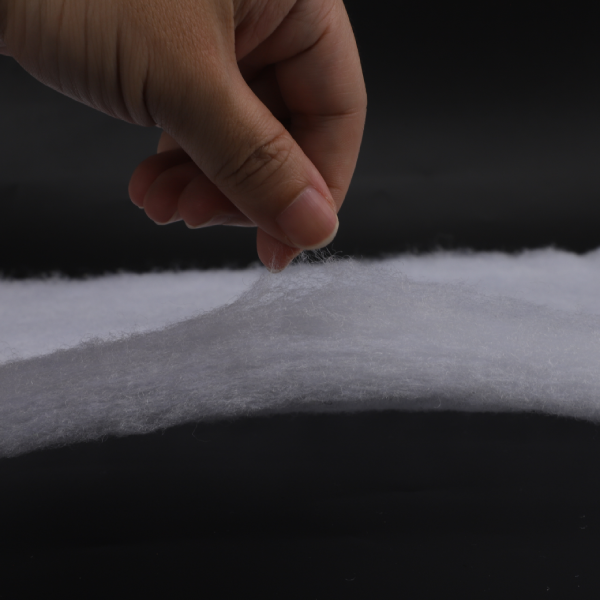
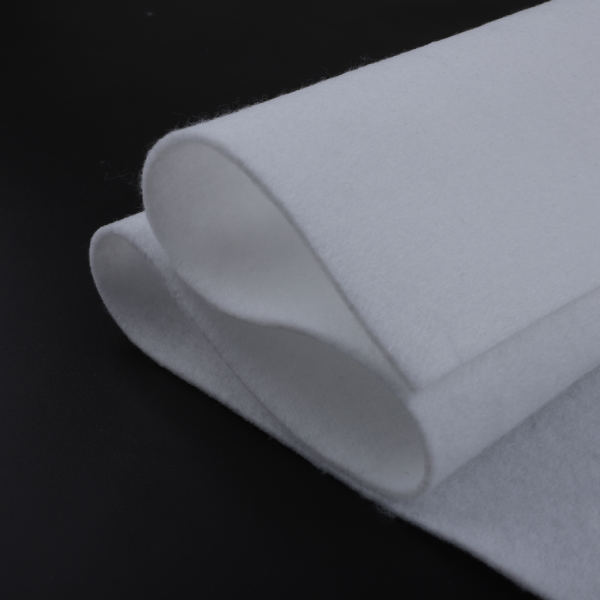
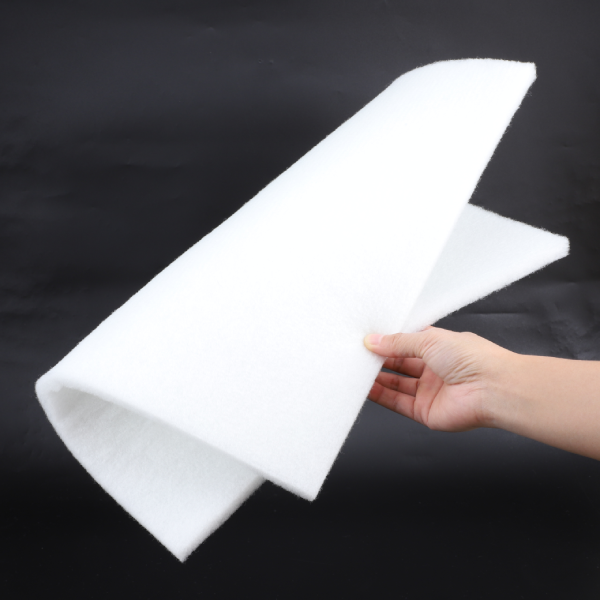
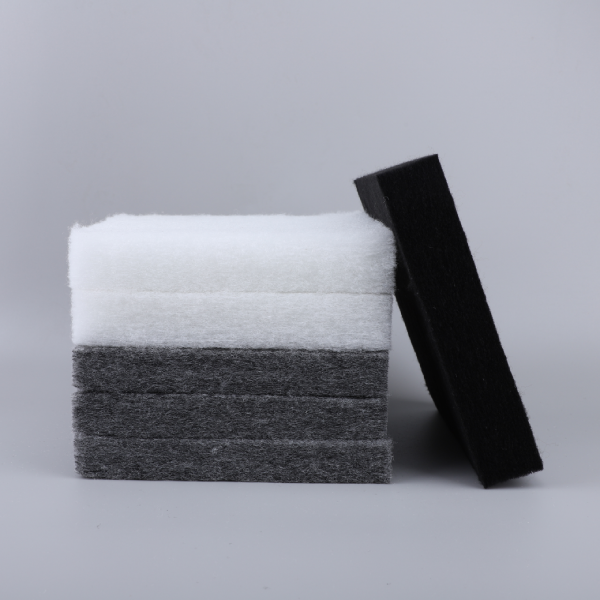
PET, PP or Viscose Needle Punched Felt: A Material Selection Guide for Buyers and Wholesalers
For importers, wholesalers, distributors, and product manufacturers purchasing Needle Punched Felt, material selection is often more important than simply comparing prices.
Although they are all needle punched felt, different fiber materials can directly affect the product’s weight, strength, softness, moisture absorption, abrasion resistance, dimensional stability, processing performance, and final cost. Common materials include PET (Polyester), PP (Polypropylene), and Viscose. There is no single material that is always “the best.” The right choice depends on the final application, required performance, and purchasing budget.
For bulk purchasing, choosing the wrong material at the beginning can create problems later. Even when the GSM, thickness, and dimensions meet the requirements, the final product may still have unsatisfactory performance, lower processing efficiency, more customer complaints, or even require redevelopment.
Therefore, when purchasing OEM Needle Punched Felt or looking for a long-term needle punched felt manufacturer, buyers should not only ask, “What is your price?” They should first determine:
Which fiber is right for my application?
This guide compares PET, PP, and Viscose needle punched felt from a procurement and practical application perspective, helping importers, wholesalers, and OEM buyers make a more suitable material decision before placing an order.
Why Should Needle Punched Felt Buyers Look Beyond Price?
When requesting a quotation for the first time, many buyers simply provide a product name such as “100% needle punched felt” and ask the supplier for a price.
However, this information is usually not enough for professional needle punched felt procurement.
Even when two products have the same GSM and thickness, using different fiber materials can result in differences in strength, moisture absorption, abrasion resistance, softness, dimensional stability, and actual service life.
For example, PET is generally suitable for products that require good abrasion resistance, dimensional stability, and long-term performance. PP offers advantages in lightweight construction, water resistance, and cost control. Viscose is more focused on softness and moisture absorption.
Therefore, the correct procurement logic should be:
Final Application → Required Performance → Fiber Material → GSM → Thickness → Density → Width → Surface Treatment → Packaging
Rather than simply:
Lowest Price → Place Order
For importers and wholesalers making long-term purchases, this material selection approach can help reduce the risks of later product adjustments and supplier changes.
What Is the Biggest Difference Between PET, PP, and Viscose Needle Punched Felt?
The biggest difference between these three materials is not whether they can be made into needle punched felt, but the different material characteristics they provide.
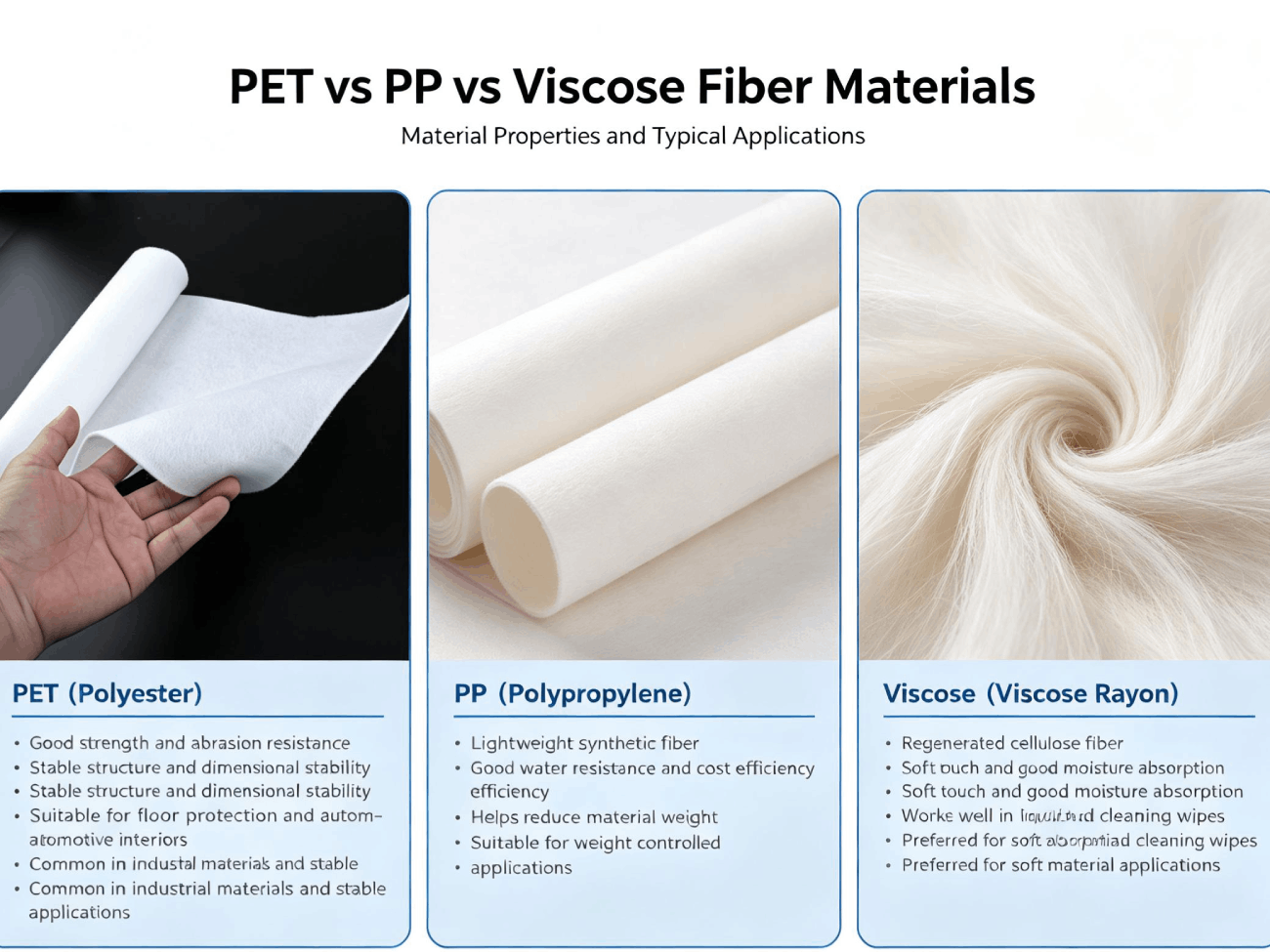
PET (Polyester) is a widely used synthetic fiber that generally provides good strength, abrasion resistance, and dimensional stability. It is therefore suitable for floor protection, automotive interiors, industrial materials, and other products that require a stable structure.
PP (Polypropylene) is a lightweight synthetic fiber. It can be a suitable material choice for applications where controlling material weight, water resistance, and purchasing cost is important.
Viscose (Viscose Rayon) is a regenerated cellulose fiber that generally offers good softness and moisture absorption. It can therefore be considered for certain absorbent, cleaning, wiping, and soft-material applications.
From a procurement perspective, none of these materials can cover every application. The material should be selected according to the problem the final product needs to solve.
What Purchasing Requirements Is PET Needle Punched Felt Suitable For?
If your product places greater emphasis on abrasion resistance, strength, dimensional stability, and long-term performance, PET is usually a material worth considering first.
PET needle punched felt can be adjusted through GSM, thickness, punching density, and finishing processes to create products with different performance levels.
For buyers, PET is particularly suitable for projects that require stable product performance, long-term repeat purchasing, or a fixed product specification.
Common applications include Floor Protection Roll, Painter Felt, automotive interior materials, industrial felt, packaging protection materials, and certain filtration and sound insulation products.
In floor protection products, for example, buyers usually need to consider more than material price. Abrasion resistance, tear resistance, surface stability, and dimensional changes during long-term use can also be important.
For these applications, when a supplier can consistently control fiber materials, GSM, thickness, and needle punched structure, PET needle punched felt can provide relatively stable overall performance.
For brands and buyers purchasing over the long term, another advantage of PET is that it is suitable for establishing fixed product specifications.
Once the material, GSM, thickness, width, and color have been confirmed, subsequent batches can be produced according to the same standard, helping reduce differences between production batches.
What Purchasing Requirements Is PP Needle Punched Felt Suitable For?
One of the main characteristics of PP needle punched felt is its lightweight structure and cost-control potential.
For applications where product weight is important while a certain level of strength and water resistance is still required, PP can be a competitive material option.
If your target product places greater emphasis on:
Lightweight + Water Resistance + Cost Efficiency
then PP is worth including in the material comparison.
For wholesalers, material costs directly affect the final product price and market competitiveness. If the application does not require extremely high abrasion resistance or long-term structural stability, using a lighter PP material may help control the overall product cost.
However, buyers should not assume that PP is automatically better than PET simply because of its weight or cost advantages.
If the final product needs to withstand long-term friction, continuous use, or higher dimensional stability requirements, changing the material simply to reduce raw material costs may result in performance that does not meet customer expectations.
Therefore, PP should be understood as a material option for optimizing weight and cost for specific applications, rather than simply a “low-cost substitute.”
What Purchasing Requirements Is Viscose Needle Punched Felt Suitable For?
One of the major differences between Viscose and PET or PP is that its material characteristics are more focused on softness and moisture absorption.
For products that require a soft feel, liquid absorption, or good moisture absorption, Viscose can be a material worth considering.
Some cleaning, absorbent, wiping, and specific hygiene-related nonwoven materials may use Viscose.
However, from an industrial procurement perspective, Viscose should not simply be considered a material with “better performance.” Instead, it is more suitable for certain specific requirements.
If the product will be exposed to a humid environment for a long period, or requires high abrasion resistance, dimensional stability, and long-term mechanical performance, buyers should carefully evaluate whether Viscose is suitable for the actual working environment.
Therefore, when purchasing Viscose needle punched felt, buyers should evaluate the final application, wet performance requirements, moisture absorption requirements, and expected product life rather than selecting the material based only on its name.
PET vs PP vs Viscose: How Should Buyers Understand the Performance Differences?
From a procurement decision perspective, the three materials can be understood as having different performance priorities.
PET is generally more suitable for products that emphasize abrasion resistance, stability, strength, and long-term use.
PP is generally more suitable for products that emphasize lightweight construction, water resistance, and cost control.
Viscose is generally more suitable for products that emphasize softness, moisture absorption, and liquid handling.
However, it is important to understand that final product performance is not determined by fiber material alone.
The GSM, thickness, punching density, fiber length, fiber ratio, and finishing process of needle punched felt can all affect the final performance.
Therefore, even when the correct fiber is selected, the product may still fail to meet expectations if the GSM or needle punched structure does not match the final application.
What If the Buyer Does Not Know Whether to Choose PET, PP, or Viscose?
Not every purchasing manager needs to become a nonwoven material expert.
If you already know the final application but are unsure which fiber should be selected, you can provide the supplier with the following information:
Product Application, Target Performance, Required GSM, Thickness, Width, Color, Estimated Quantity, and Working Environment.
If you already have an existing product, you can also provide:
Existing Sample, Product Drawing, Product Photo, or Previous Specification.
A professional custom nonwoven felt manufacturer can use this information to help determine a suitable fiber material and needle punched structure.
This approach is often more effective than having buyers blindly compare PET, PP, and Viscose on their own.
Can PET, PP, and Viscose Be Used in Fiber Blends?
Different fiber combinations can be developed according to specific product requirements.
For some OEM products, it is not necessary to use only one fiber.
Depending on the required final performance, different fiber ratios can be considered to achieve a more suitable balance between cost, strength, softness, moisture absorption, and processing performance.
For example, if a product requires a certain level of structural stability while also requiring better softness or moisture absorption, a fiber blend can be considered during product development.
However, the specific fiber ratio cannot be determined without considering the final application.
For OEM customers, a more reasonable approach is to first determine the problem the product needs to solve and then allow a custom needle punched felt manufacturer to develop the material structure based on the sample, application, and target performance.
Why Should Fiber Material Be Confirmed Before Sampling for OEM Orders?
If the material is not confirmed until bulk production, unnecessary rework and communication costs can easily occur.
For example, even if a product requires a fixed thickness, changing the material from PET to PP or adding Viscose may change the material weight, softness, moisture absorption, dimensional stability, and processing performance.
This means that the GSM, thickness, and even production parameters may need to be adjusted again.
Therefore, OEM orders should confirm the following during the sampling stage:
Fiber Type → Fiber Ratio → GSM → Thickness → Width → Color → Surface Treatment → Backing → Packaging
Only after the sample has been approved should the order move into bulk production.
For importers and brand customers purchasing over the long term, the confirmed material structure can also become the standard production specification for future repeat orders.
Why Should Buyers Not Compare Only the Unit Price of PET, PP, and Viscose?
Material price is certainly important, but it does not directly represent the final procurement cost.
For example, one material may have a lower unit price, but if it requires a higher thickness or GSM, or creates more production waste, the final cost per square meter may not be as low as expected.
Similarly, if the material cannot meet the requirements of the final product, problems such as customer returns, product reprocessing, or the need to find a new supplier can further increase the actual procurement cost.
Therefore, for importers and wholesalers, a more reasonable calculation should consider:
Material Cost + Processing Cost + Waste + Packaging + Logistics + Quality Risk
Rather than simply comparing:
Price per Kilogram
For long-term OEM purchasing, buyers should pay more attention to Cost-to-Performance, meaning the actual product value generated by the purchasing cost.
How Should Different End Products Choose Between PET, PP, and Viscose Needle Punched Felt?
If the product is mainly used for floor protection, renovation protection, or Painter Felt, buyers usually need to focus on abrasion resistance, tear resistance, dimensional stability, absorbent or waterproof structures, and service life. PET can therefore be an important material to evaluate.
If the product places greater emphasis on lightweight construction, water resistance, and cost control, PP can be included in the priority comparison.
If the product focuses more on softness, moisture absorption, or liquid handling, Viscose or a Viscose-blended material can be further evaluated.
If the final product requires multiple performance characteristics at the same time, buyers should not select the material based only on the fiber name. Instead, the overall structure should be designed through GSM, thickness, punching density, fiber ratio, and finishing processes.
Therefore, professional material selection is not:
“Which Fiber Is the Cheapest?”
It is:
“Which Fiber Gives My Product the Right Performance at the Right Cost?”
Why Should Long-Term Buyers Pay More Attention to Raw Material Stability?
For importers, wholesalers, and brand customers, receiving a qualified first order does not necessarily mean that long-term purchasing will remain stable.
If a supplier uses fibers from different sources or with different quality levels in different batches, the final product may change in hand feel, thickness, strength, or color even when the product name and GSM remain unchanged.
This can directly affect the experience of downstream customers.
Therefore, when selecting a needle punched felt manufacturer, buyers should look beyond price and MOQ and also understand the supplier’s raw material control, production capability, quality management, and batch consistency.
Stable raw material supply and stable production processes are important foundations for long-term OEM cooperation.
Why Is Working Directly with a Needle Punched Felt Factory Better for Long-Term Material Development?
If you are only purchasing standard products, there are many types of suppliers to choose from.
However, when the project involves PET, PP, or Viscose material selection, GSM adjustment, thickness adjustment, color customization, width customization, surface treatment, or OEM development, production-side technical and manufacturing capabilities become more important.
Working directly with a needle punched felt factory China allows buyers to communicate material structures, production parameters, and quality requirements more directly.
When the product needs to be adjusted after market testing, buyers can also discuss material changes directly with the production side without going through multiple intermediaries.
For importers, wholesalers, distributors, and brand owners developing products over the long term, this direct communication can improve product development efficiency.
Why Choose Jinhaocheng as Your OEM Needle Punched Felt Supplier?
Jinhaocheng was established in 2005 and has more than 20 years of experience in nonwoven material research and manufacturing.
The company operates an approximately 26,000-square-meter production base with 15 automated needle punching production lines and annual production capacity of more than 10,000 tons, providing production support for OEM and bulk purchasing projects of different scales.
In terms of materials, different fiber materials can be developed according to product requirements, while GSM, thickness, width, color, roll length, surface treatment, and composite structures can also be adjusted.
For importers, wholesalers, and brand customers, what really matters is not simply whether a supplier can produce one type of needle punched felt, but whether the supplier can maintain stable product specifications and batch quality over the long term.
Jinhaocheng also provides OEM/ODM services and can develop customized materials according to customer requirements, samples, and application scenarios, with sample and design confirmation support.
The company’s products are used in areas including Floor Protection Roll, Painter Felt, Industrial Felt, and Automotive Felt, allowing different needle punched nonwoven materials to be developed for different market requirements.
What Questions Should Buyers Ask Suppliers When Purchasing PET, PP, or Viscose Needle Punched Felt?
Before placing an order, buyers can communicate with suppliers around several key areas.
First, confirm the material:
Is the felt made from PET, PP, Viscose, or a fiber blend?
Next, confirm the product specifications:
What GSM and thickness are available?
Then, confirm the product performance:
What performance is the material designed for?
After that, confirm production capability:
Can the supplier maintain stable quality between batches?
For an OEM project, buyers should also confirm:
Can the manufacturer customize color, width, roll length, packaging, logo, and other specifications?
Finally, confirm:
What is the MOQ, lead time, and quotation?
This type of inquiry helps buyers move from simply comparing prices to evaluating the supplier’s overall capabilities.
PET, PP, or Viscose? What Logic Can Buyers Use Before Placing an Order?
If your first priority is long-term durability, abrasion resistance, and structural stability, PET can be evaluated first.
If your first priority is lightweight construction, water resistance, and cost control, PP can be considered more closely.
If your first priority is softness, moisture absorption, and liquid handling, Viscose can be further evaluated.
If your product requires multiple performance characteristics, fiber blending, GSM, thickness, punching density, and finishing processes should be considered together.
The final choice should not be determined by a single parameter. Instead, buyers should establish a complete material selection process:
Application → Performance → Fiber → GSM → Thickness → Density → Width → Finishing → Packaging
This is also a more reliable approach to material selection when purchasing OEM needle punched felt.
Conclusion: When Choosing Needle Punched Felt, Don’t Ask “Which One Is the Cheapest?” First
For PET, PP, and Viscose needle punched felt, there is no single material that is absolutely the best for every application.
A more reasonable procurement approach is to first determine the final application and the problem the product needs to solve, and then select the appropriate fiber according to the required performance.
PET is suitable for products that place greater emphasis on abrasion resistance, stability, and long-term performance.
PP is suitable for products that place greater emphasis on lightweight construction, water resistance, and cost control.
Viscose is suitable for products that place greater emphasis on softness and moisture absorption.
For importers, wholesalers, distributors, and OEM customers, supplier selection should also go beyond unit price and include raw materials, production capability, customization capability, quality control, and batch consistency.
If you are looking for a needle punched nonwoven felt manufacturer, needle punched felt manufacturer, needle punched felt factory China, or nonwoven felt manufacturer China, it is recommended to provide the supplier with the product application, target performance, GSM, thickness, width, color, and estimated purchasing quantity when requesting a quotation.
This can help you obtain a more accurate quotation and allow the supplier to determine more quickly whether PET, PP, Viscose, or a blended fiber is more suitable for your product.