Does a BBQ Grill Mat Need UL94? When Should Buyers Require Flame Retardant Testing?
For importers, wholesalers, brand buyers, and product development teams sourcing BBQ Grill Mats, one question comes up frequently:
Does a BBQ Grill Mat really need UL94?
Many buyers looking for Grill Mats may directly request:
“UL94 certified.”
However, for actual product development, this requirement does not necessarily apply to every project.
Whether a Grill Mat needs a particular flame-retardant test cannot be determined simply by the product name. A product being placed under a BBQ Grill does not automatically mean that UL94 is required.
The real questions are:
What is the product application?
What type of flame or heat source will it actually encounter?
What materials make up the product?
Which market will it be sold in?
Does the end customer have a specific testing requirement?
Is UL94 actually the appropriate test, or is another testing standard more relevant?
UL 94 is primarily used to evaluate the flammability behavior of certain polymeric materials for parts and components under controlled laboratory conditions. Its test results describe material burning characteristics and should not simply be interpreted as comprehensive fire performance under every real-world application. Therefore, for BBQ Grill Mat buyers, the more appropriate approach is to first determine whether:
UL94 is actually relevant to your product and project requirements.
Does Every BBQ Grill Mat Need UL94?
Not necessarily.
This is the first question buyers should understand.
Different Grill Mat projects may have completely different product structures, sales markets, and final applications, which means their flame-retardant testing requirements may also be different.
For example, some projects may simply require a product for floor protection around a standard outdoor cooking area, with the main focus on product dimensions, cleaning, liquid management, and daily use.
Other projects may come from brands, industrial customers, or specific markets with clearly defined flame-retardant material requirements.
Some products may also contain multiple material layers, with each layer serving a different function.
Therefore, buyers should not simply assume:
BBQ Mat = UL94 Required
A more appropriate purchasing logic is:
Application → Fire Exposure → Product Construction → Target Market → Required Test
Only after these factors are understood should buyers determine whether UL94 is appropriate.
When Might UL94 Be Relevant to a Grill Mat?
If a product contains polymeric materials that require flammability evaluation, and the customer's product specifications or target market clearly require UL94-related testing, then UL94 may become one of the testing directions during product development.
UL 94 evaluates the flammability behavior of specific polymeric materials under defined conditions, including specified specimens, thicknesses, and controlled test environments.
Therefore, if a buyer's customer specifically requires a certain UL94 flame classification, the manufacturer needs to first confirm:
Which material is being tested?
What is the test specimen structure?
What is the specimen thickness?
Does the final product correspond to the tested material or structure?
This is much more precise than simply asking:
“I need a UL94 Grill Mat.”
For composite Grill Mats, buyers should pay particular attention to the final product structure rather than assuming that the entire product automatically meets a UL94 requirement simply because one layer has been tested.
Why Can't the Product Name Determine Whether UL94 Is Required?
Grill Mat is simply a product name. It does not directly determine which safety test should be applied.
Two products can both be called Grill Mats while having completely different:
Material Structure
Backing Structure
Thickness
Application
and final sales markets.
Therefore, testing requirements should be determined based on the actual product rather than inferred from the product name.
For example, a product mainly intended for ordinary residential outdoor cooking may have different purchasing requirements from a branded product developed to meet a specific material testing requirement.
This is why it is important to define testing requirements early in an OEM project.
Buyers Should First Determine What Type of Fire Exposure the Grill Mat Will Face
Before deciding whether flame-retardant testing is required, buyers should first understand the actual flame and heat environment that the product will encounter.
For example, buyers should consider:
Will the product come into direct contact with an open flame?
Could it be exposed to sparks?
Will it simply be positioned near a heat source?
Will the exposure be short-term or part of a long-term operating environment?
Is the product mainly intended for floor protection, or does it perform an additional safety function?
These questions can influence the material and testing direction.
Therefore, Heat Exposure should not simply be treated as equivalent to a Fire Test Requirement.
High-temperature environments and direct flame exposure are different conditions, and the appropriate test should be selected according to the final product requirements.
Why Does Product Construction Affect Whether UL94 Is Appropriate?
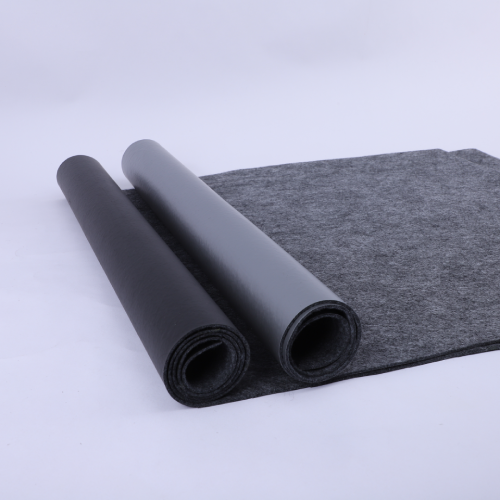
A composite Grill Mat is usually not made from one single material.
It may include:
Felt Layer
Bonding Structure
Backing Layer
Different layers may use different materials.
UL 94 is designed to evaluate the flammability of specific polymeric materials under defined conditions. Therefore, buyers need to first determine whether the testing requirement applies to a particular material, the final product construction, or another specified test configuration.
For composite products, buyers should therefore not simply assume:
“The whole Grill Mat must have UL94.”
A more appropriate approach is to confirm the exact testing requirement and its scope first.
When Should Buyers Specify UL94 During the Inquiry Stage?
If the customer's requirements already clearly specify UL94, it is best to state this during the quotation and sample development stage.
For example, the purchasing specification can identify:
Required Flame Retardant Test
Required Classification
Applicable Material
Required Sample Thickness
Target Market
This allows the manufacturer to confirm the appropriate material and testing direction during product development.
Buyers should avoid waiting until the sample has been completed, the price has been confirmed, or bulk production is about to begin before saying:
“We also need UL94.”
Because the testing requirement may affect the direction of product development.
If the Customer Does Not Require UL94, Should Buyers Add the Test Anyway?
This should be determined according to the actual project rather than automatically adding the test to every product.
If the customer has not specifically requested UL94, buyers should first understand:
Does the final market have any relevant requirements?
Does the brand have an internal testing specification?
Is the product subject to a particular safety standard?
Does the end customer require a specific test report?
Does the product structure fall within the scope of the relevant test?
If these conditions are not clearly defined, simply adding a UL94 label or test may not create meaningful purchasing value.
A more appropriate approach is:
Define the project requirements first, then determine the appropriate test.
This can help avoid unnecessary development costs caused by selecting an unsuitable testing direction.
Is UL94 the Only Test Used to Evaluate Flame Performance?
No.
Different product categories, operating environments, and target markets may involve different testing systems.
Therefore, if a customer says:
“Need fire resistant material.”
this requirement is still not specific enough.
Buyers need to clarify:
What fire performance is required?
Which test standard is required?
For which product application?
For which market?
Different product projects may involve other flame-retardant or fire-performance tests. Your company's product information also includes different testing directions such as UL94, BS5852, and CFR1633.
However, these standards cannot simply be treated as interchangeable.
The more appropriate approach is to determine the applicable standard according to the product category and final use requirements, and then have the manufacturer develop the material according to the testing requirements.
Why Does “UL94 Tested” Not Mean That a Grill Mat Is Fireproof in Every Situation?
This is an important concept for buyers to understand.
UL 94 is used under controlled laboratory conditions to evaluate the flammability behavior of certain polymeric materials when exposed to small flames or radiant heat sources. It describes material flammability characteristics and does not represent comprehensive fire performance under every real-world application condition.
Therefore:
UL94 Test Result ≠ All-Condition Fire Protection
Buyers should not see a UL94 test result and automatically conclude that:
The product can resist any type of flame.
The product can remain exposed to high temperatures for long periods.
The product can withstand a real fire for a specified duration.
Or the entire Grill Mat will have the same fire performance under every operating condition.
These conclusions need to be evaluated separately according to the specific product, test method, and application conditions.
Why Should Buyers Distinguish Heat Resistance from Flame Retardancy for BBQ Grill Mats?
BBQ Grill Mats are often described as both:
Heat Resistant
and:
Flame Retardant
However, these are not exactly the same requirement.
Heat Resistance focuses more on material performance under a specific thermal environment.
Flame Retardancy focuses more on the burning behavior of a material when exposed to flame or specified flame conditions.
Therefore, when a customer tells a supplier:
“Need a heat resistant and fireproof Grill Mat.”
the manufacturer still needs to clarify:
Does the customer require stability under continuous heat?
Does the customer require specific flame performance?
Or are both requirements necessary?
This helps prevent the wrong testing direction from being selected at the beginning of the project.
Why Does the Target Market Affect Grill Mat Testing Requirements?
The purchasing requirements for the same product can vary between markets.
For example, a brand customer may have its own technical specifications.
An importer may need to meet documentation requirements from the end buyer.
A large retail customer may require a specific test report.
An OEM customer may also have testing requirements based on its own product certification system.
Therefore, buyers should ideally provide:
Target Market
Final Application
Customer Requirement
Required Test
This allows the manufacturer to determine which testing direction is more relevant to the actual project.
Why Should OEM Grill Mat Projects Not Decide on UL94 Before Designing the Product?
The proper development sequence for an OEM product should be:
Application
↓
Product Construction
↓
Performance Requirement
↓
Target Market
↓
Required Test
↓
Material Development
↓
Sample
This sequence helps prevent conflicts between product structure and testing requirements.
If the buyer simply tells the manufacturer:
“Make a UL94 Grill Mat.”
without providing the final application, material structure, or target market, the manufacturer is still missing important development information.
Therefore, UL94 should be treated as one part of the product development requirements rather than the sole objective of the entire development process.
How Should Buyers Properly Request Flame-Retardant Testing When Purchasing Grill Mats?
Instead of simply asking:
“Do you have UL94?”
buyers can use more complete questions:
What flame performance does this Grill Mat need to meet?
Which material is being tested?
What test standard is required?
What classification is required?
Is the test for a material or the final product construction?
Can the test documentation be provided for the specified material or product structure?
This type of inquiry helps both sides confirm the product requirements more efficiently.
For importers and brand buyers purchasing in volume, it is usually more useful than simply comparing whether a supplier has “UL94.”
How Does Jinhaocheng Develop Flame Retardant Grill Mat Materials According to Project Requirements?
HUIZHOU JINHAOCHENG NONWOVENS CO., LTD. specializes in manufacturing needle punched nonwoven materials and related composite nonwoven products, with more than 20 years of nonwoven manufacturing experience.
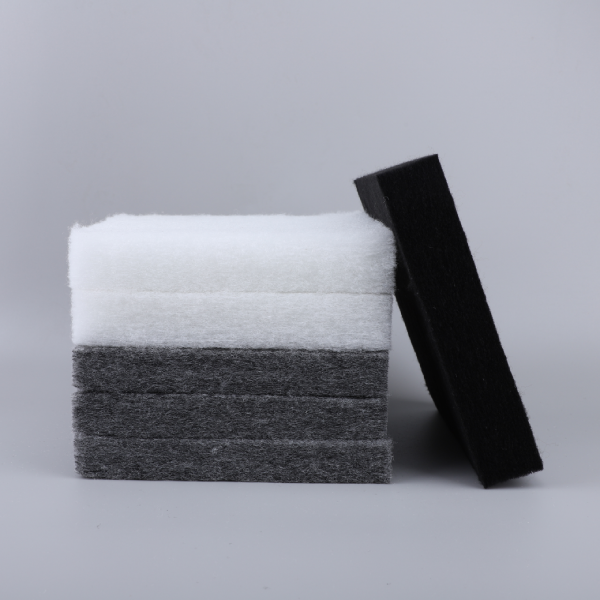
The company has a production base of approximately 26,000 m² and 15 automated needle punching production lines, supporting the development of different specifications of Flame Retardant Needle Punched Felt and related composite products according to project requirements.
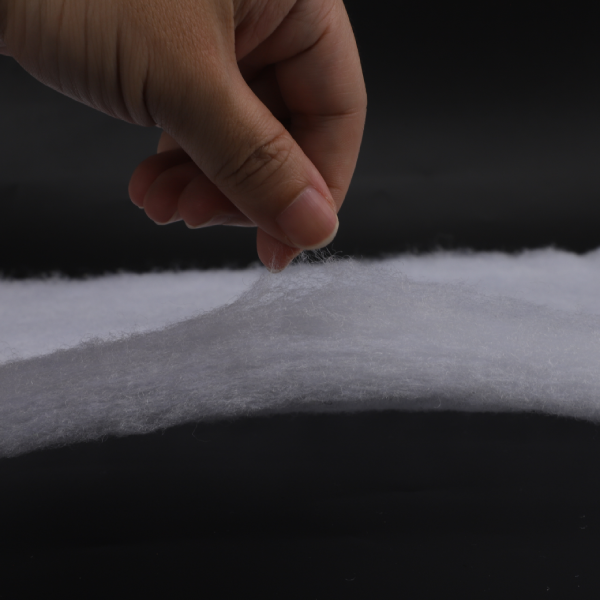
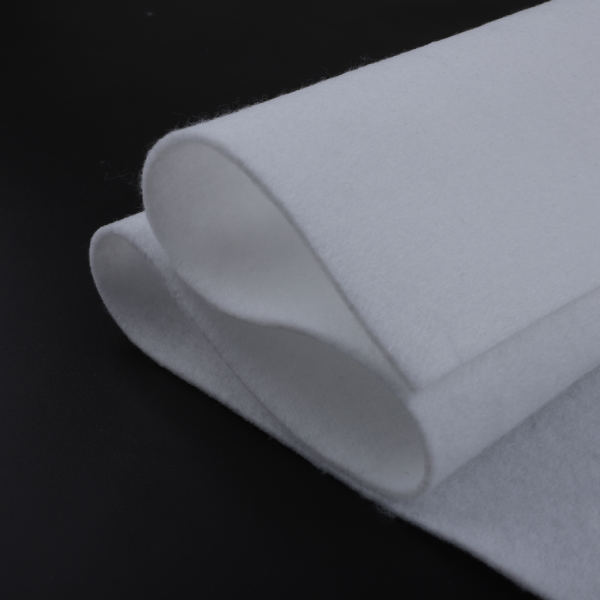
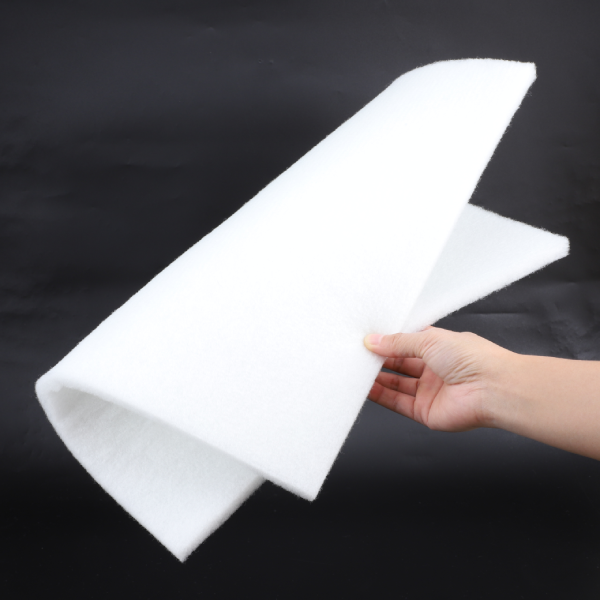
Your current Grill Mat products use flame-retardant needle punched felt combined with waterproof backing, and provide UL 94-related testing or documentation for applicable materials or product specifications.
For OEM/ODM customers, materials can be developed according to:
Final Application
Material Structure
GSM
Thickness
Target Market
Flame Performance Requirement
If the customer specifically requires UL 94, the applicable material, testing requirements, and relevant technical documentation can be further confirmed during product development.
How Can Buyers Determine Whether They Really Need UL94?
Before sending an inquiry to a supplier, buyers can first answer several key questions.
What is the final application of my Grill Mat?
Will the product actually face flame, sparks, or an ordinary heat source?
What materials are included in my product structure?
Has the customer or brand specified a testing standard?
Does the target market have any specific flame-retardant requirements?
Am I testing an individual material layer or the final product construction?
Once these questions are clear, deciding whether to require UL94 becomes much more accurate than simply requesting:
“UL94 Grill Mat”
Conclusion: Do Not Ask “Does It Have UL94?” First. Confirm What Testing Your BBQ Grill Mat Actually Needs
For a BBQ Grill Mat, UL94 is not a product label that can automatically be applied to every project.
A more appropriate purchasing logic is:
Application → Fire Exposure → Product Construction → Target Market → Required Test → UL94 or Other Standard
If the customer specifically requires UL94, it should be stated during the sample and product development stage.
If the customer has not specified UL94, buyers should first confirm the target market, product structure, and actual safety requirements before determining whether UL94 or another test is appropriate.
Buyers should also understand the scope of UL 94 correctly. UL 94 is mainly used to evaluate the flammability behavior of certain polymeric materials under controlled conditions and does not directly represent comprehensive fire performance for the entire Grill Mat under every real-world environment.
Therefore, instead of telling customers:
“Buy our UL94 Grill Mat.”
a more professional approach is:
“First determine whether UL94 is relevant to your product and target market.”
For importers, wholesalers, and brand customers looking for flame retardant grill mat solutions, UL94-related material solutions, needle punched felt manufacturer support, or OEM/ODM nonwoven products, Jinhaocheng can provide customized development support according to the final application, material structure, specifications, and testing requirements.