Why Does Flame Retardant Needle Punched Felt Self-Extinguish? Understanding UL94 Self-Extinguishing Performance
Why Do Some Needle Punched Felts Self-Extinguish While Others Continue to Burn?
When people first encounter flame retardant needle punched felt, one question is asked repeatedly:
Why do two needle punched felts look almost identical, yet one self-extinguishes within seconds while the other continues burning?
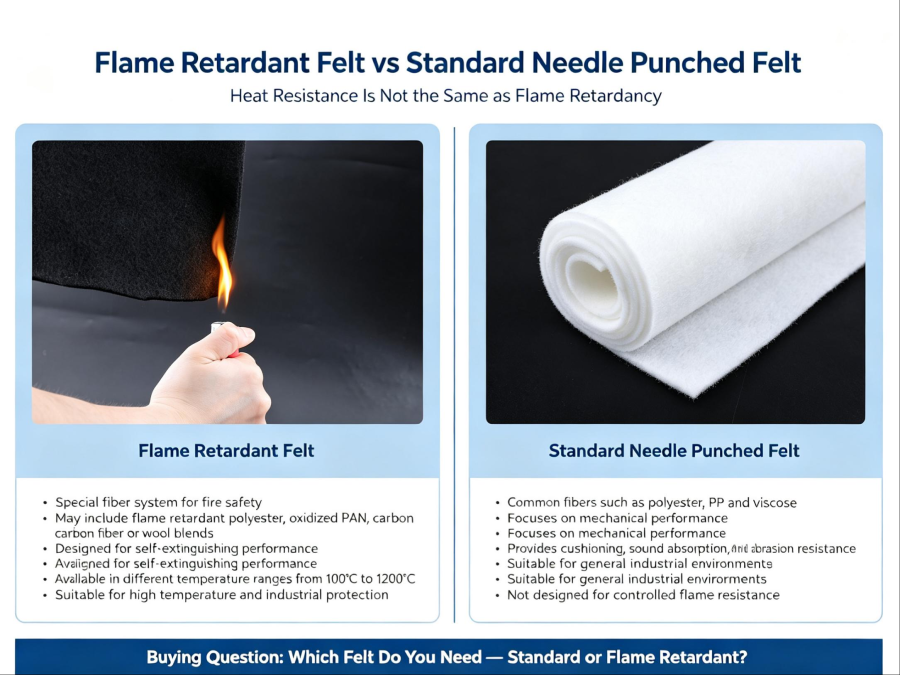
The answer is not the needle punching process itself. The real difference lies in the fiber system, material engineering, flame retardant design, and the required self-extinguishing performance.
For products such as welding fire mats, emergency fire blanket materials, automotive fire protection components, industrial insulation layers, and thermal protection products, self-extinguishing behavior is often more important than material thickness alone.
As a professional needle punched fire resistant felt manufacturer, Jinhaocheng develops customized flame retardant nonwoven materials with different self-extinguishing performance levels, including 1–5 second and 7–15 second self-extinguishing options for various industrial applications.
What Is Flame Retardant Needle Punched Felt?
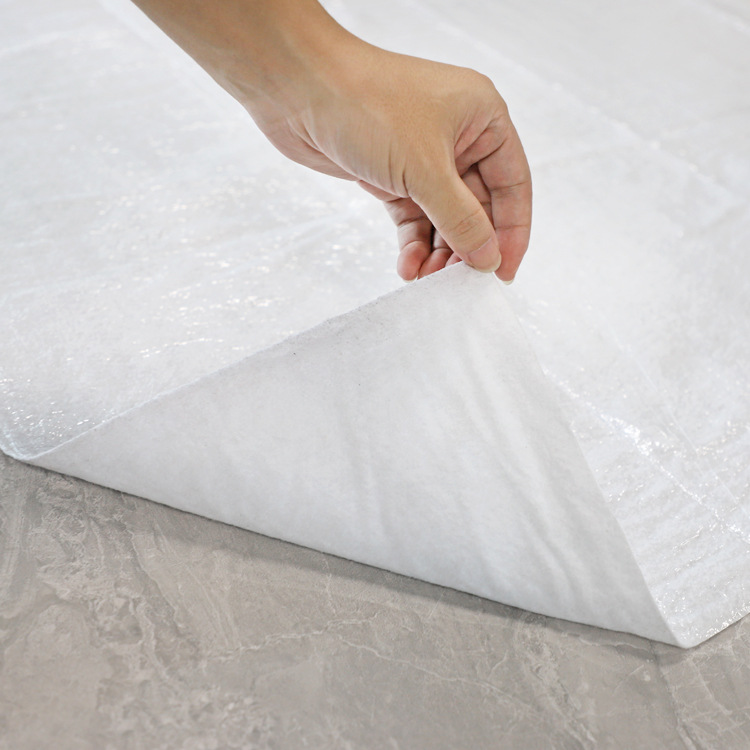
Flame retardant needle punched felt is not an ordinary felt with a surface coating.
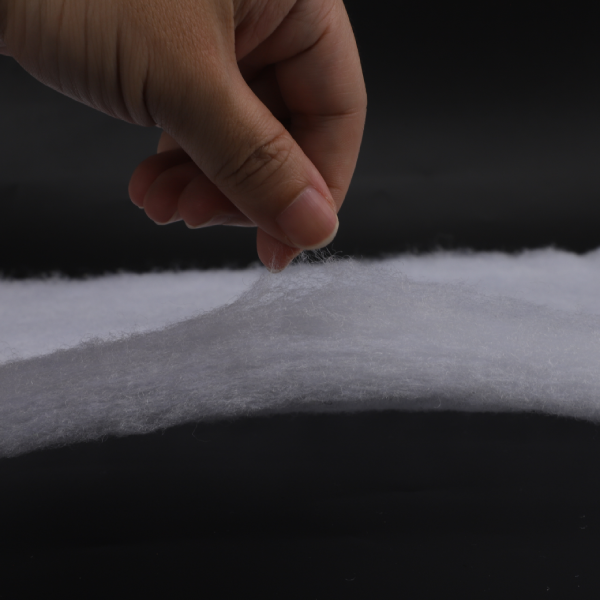
It is a functional needle punched nonwoven material manufactured from specially selected flame resistant fibers or customized fiber blends. Through opening, carding, web forming, and needle punching, the fibers are mechanically entangled into a stable three-dimensional structure.
The needle punching process provides thickness, density, flexibility, and mechanical strength, while the flame retardant performance comes primarily from the engineered fiber system inside the material.
As a result, two felts with similar appearance, color, and thickness may behave very differently when exposed to flame.
This is why industrial applications should evaluate certified flame retardant performance rather than judging materials by appearance alone.
Why Doesn't Standard Needle Punched Felt Self-Extinguish?
Standard needle punched felt is typically designed for cushioning, filtration, sound absorption, packaging, or general industrial protection. It is not specifically engineered for flame exposure.
When exposed to an open flame, its combustion behavior depends largely on the fiber composition.
For applications involving welding, fire protection, automotive safety, or high-temperature equipment, ordinary needle punched felt may not provide the required flame retardant performance.
The important question is not whether the felt is thick enough, but whether it has been engineered for flame retardant applications.
What Does UL94 Self-Extinguishing Performance Mean?
Many international projects specify UL94 when selecting flame resistant materials.
UL94 is not a material type—it is a widely recognized flame performance standard used to evaluate how materials behave after exposure to flame.
For flame retardant needle punched felt, customers are often more interested in how quickly the material self-extinguishes than simply seeing the words “Fire Resistant” on a product description.
Typical customized performance may include:
1–5 second self-extinguishing
Suitable for products requiring higher flame retardant performance.
7–15 second self-extinguishing
Suitable for many industrial insulation and protective applications.
Neither option is universally better. The appropriate performance level depends on product regulations, application conditions, and cost requirements. For OEM projects, the flame retardant level is normally developed according to the customer's specifications rather than using one standard construction for every product.
Why Does Fiber Engineering Determine Flame Retardant Performance?
Many people assume that flame resistance comes mainly from chemical additives.
In reality, for flame retardant nonwoven fabric, fiber selection is often the most critical factor.
Depending on the temperature range and application, different fiber systems can be developed, including:
Flame retardant polyester fibers
Oxidized PAN fibers
Flame resistant wool systems
Carbon fiber high-temperature systems
Each fiber offers different thermal behavior, structural stability, and flame performance, making it suitable for different industrial applications.
This is why a professional flame retardant felt manufacturer develops customized material systems instead of offering only one universal product.
Why Is Needle Punching Still Important?
Although flame resistance originates from the fiber system, needle punching significantly influences the overall material performance.
During production, barbed needles repeatedly penetrate the fiber web, mechanically entangling fibers into a stable three-dimensional structure.
This structure directly affects:
Material density
Thickness stability
Flexibility
Mechanical strength
Thermal insulation performance
Converting and processing performance
For welding fire mats, industrial insulation, and automotive protection materials, a stable needle punched structure improves not only product quality but also lamination, die cutting, and OEM manufacturing consistency.
High-quality flame retardant felt therefore requires both flame resistant material engineering and structural stability.
Why Do Different Applications Require Different Self-Extinguishing Levels?
Customers often ask:
Is faster self-extinguishing always better?
Not necessarily.
Different products operate in very different environments.
Household emergency fire blankets, welding protection mats, automotive fire protection components, industrial insulation layers, and building protection materials all have different requirements for flame performance, heat resistance, flexibility, and cost.
A more practical development approach is:
Application → Flame Performance → Temperature Requirement → Material Structure → OEM Customization
Rather than automatically selecting the highest flame retardant level, manufacturers should match the material to the intended application.
Where Is Flame Retardant Needle Punched Felt Commonly Used?
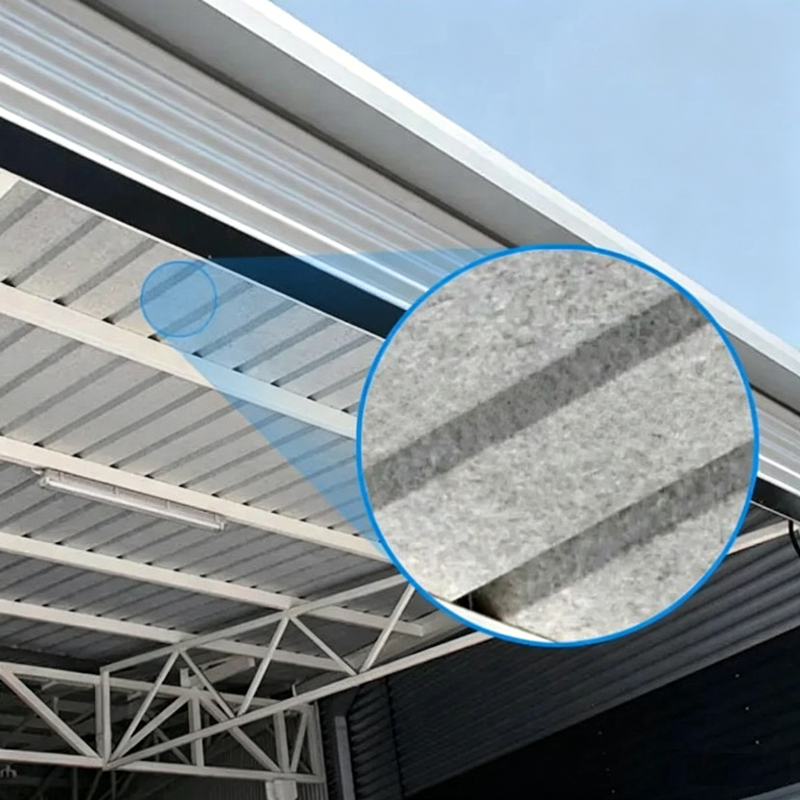
Flame retardant needle punched nonwoven materials are widely used in safety and thermal protection products, including:
Emergency fire blanket materials
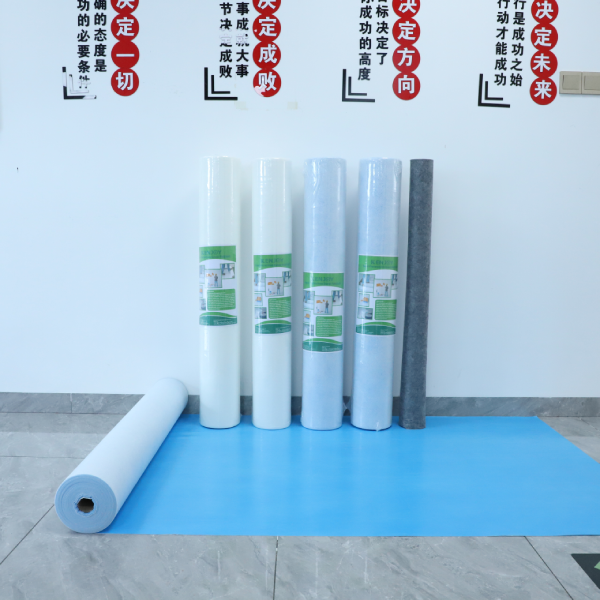
Welding fire mats and spark protection mats
Automotive trunk fire protection components
Engine compartment insulation materials
Industrial equipment insulation layers
High-temperature thermal protection materials
Building fire protection components
Each application requires different GSM, thickness, flexibility, density, and flame performance, so customized material development is often necessary.
Why Is Material Consistency Essential for OEM Projects?
For brand owners, passing the sample test is only the beginning.
Successful OEM production depends on consistent manufacturing quality, including:
Stable raw materials
Consistent flame retardant performance
Accurate GSM control
Thickness tolerance
Needle punching consistency
Batch-to-batch quality stability
Only standardized manufacturing allows every production batch to deliver the same flame retardant performance as the approved sample.
This is one reason long-term customers value manufacturing capability more than sample appearance alone.
How Does Jinhaocheng Customize Flame Retardant Needle Punched Felt?
Jinhaocheng has more than 20 years of experience in needle punched nonwoven manufacturing. Our production facility covers approximately 26,000 m² and operates 15 automated needle punching production lines.
As a professional needle punched fire resistant felt manufacturer and flame retardant nonwoven manufacturer, we provide customized solutions including:
1–5 second self-extinguishing felt
7–15 second self-extinguishing felt
Customized GSM and thickness
Different fiber blend systems
Customized composite structures
OEM and ODM manufacturing
Our materials are widely used in welding protection, emergency fire products, automotive applications, industrial insulation, and building fire protection.
Conclusion: Self-Extinguishing Performance Comes from Material Engineering
The greatest difference between flame retardant needle punched felt and ordinary needle punched felt is not appearance—it is the engineered fiber system and flame retardant design inside the material.
UL94 self-extinguishing performance reflects how the material behaves after flame exposure, while the final product performance depends on fiber engineering, flame performance level, needle punched structure, and stable manufacturing control.
For welding protection, emergency fire blankets, automotive safety, and industrial thermal protection, selecting the right Flame Retardant Needle Punched Felt is often more important than simply increasing material thickness.
If you are looking for a reliable needle punched fire resistant felt manufacturer capable of customized flame performance and OEM production, Jinhaocheng can provide tailored nonwoven solutions for your specific application.