Cotton Batting for Comforters and Blankets: How to Choose the Filling Layer Structure and Specifications
For comforter, duvet, and blanket manufacturers, the filling layer affects more than the finished product's weight and thickness. It can also influence the overall hand feel, appearance, quilting process, and sewing requirements. When sourcing cotton batting, buyers should not rely only on the material name or GSM. They also need to consider the finished product construction, outer fabric, fixation method, and intended application.
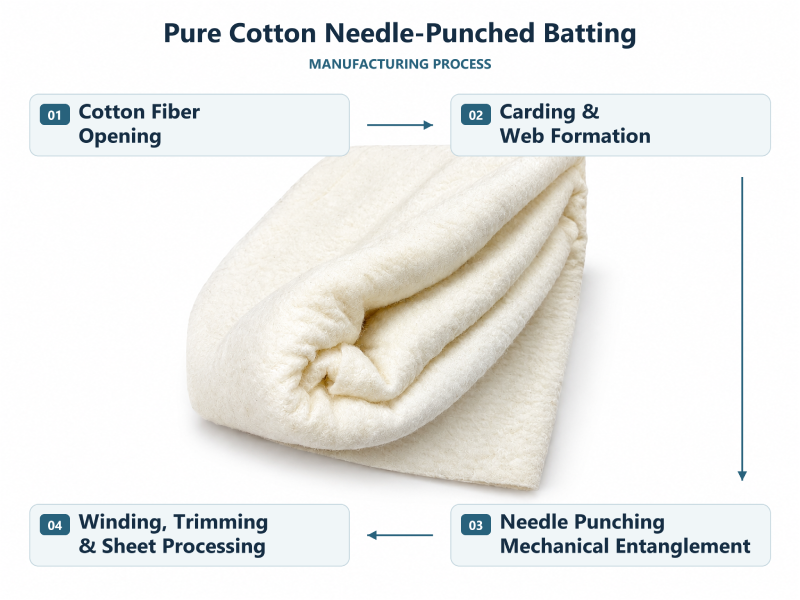
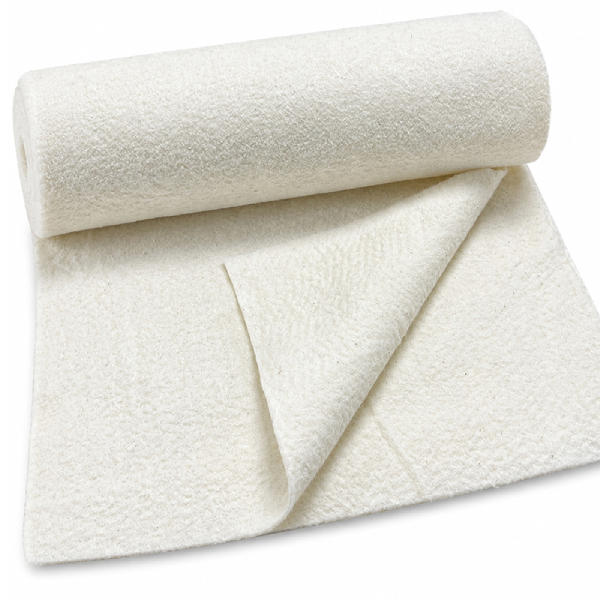
100% Cotton Batting is a filling material made from cotton fibers. For manufacturers looking to use natural cotton fiber as an internal filling layer in comforters or other bedding products, needle-punched cotton batting can be one material option to evaluate.
However, Comforters, Duvets, and Blankets do not necessarily share the same internal construction. Some products require a separate sheet of filling material, while others use different filling structures. Some blankets are made from a single layer of woven or knitted fabric without a separate filling layer. Therefore, buyers should first confirm the finished product construction before deciding whether needle-punched cotton batting is suitable.
This article explains how bedding manufacturers can evaluate Cotton Quilt Wadding by considering filling layer position, product construction, material specifications, quilting fixation, sample validation, and bulk purchasing requirements.
Where Does Cotton Batting Fit in Comforters, Duvets, and Blankets?
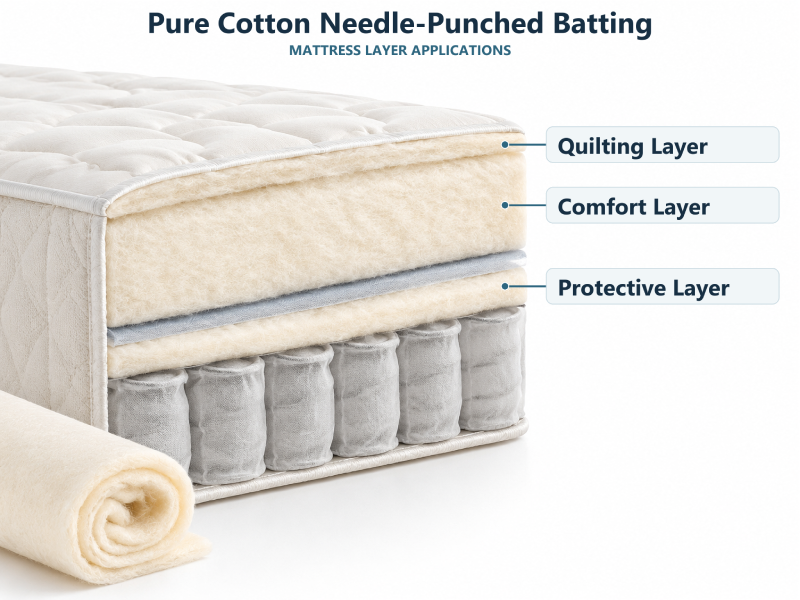
In bedding production, Cotton Batting is generally used as an internal sheet-like filling material rather than as the visible outer fabric of the finished product.
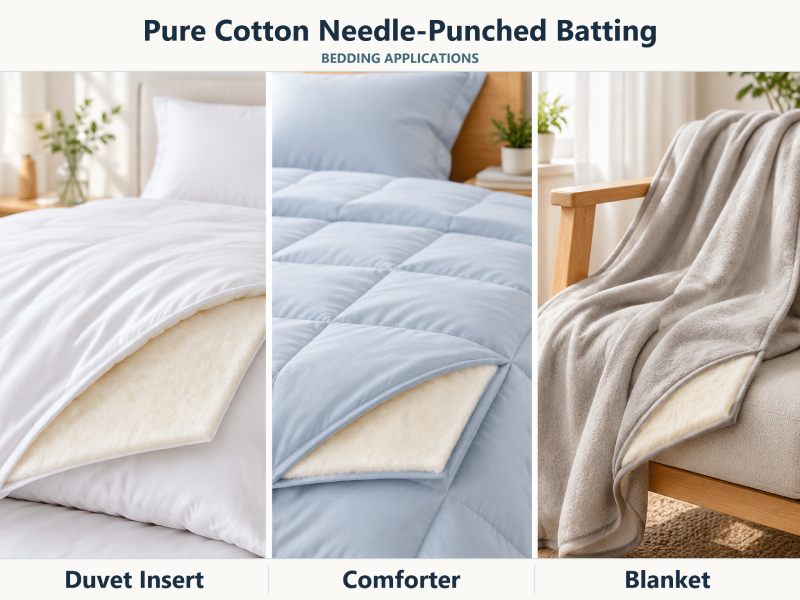
In a Comforter or Duvet with a layered construction, the filling layer is usually placed between the upper and lower outer fabric layers. The outer fabric forms the surface and covering structure, while the internal filling layer contributes to the finished product's thickness, loft, and overall hand feel.
If a manufacturer plans to use needle-punched cotton batting, it is important to confirm whether this sheet material can fit the existing product construction. For example, the filling width, thickness, weight, and subsequent quilting method all need to match the finished product design.
It is worth noting that Duvet Inserts and Comforters may have different product definitions and usage conventions in different markets. Their internal filling materials cannot be determined by product names alone. Buyers should confirm with their product designers or material suppliers whether the product requires sheet-form batting or another type of filling material.
Blankets can have a different construction. Some blankets are made from a single layer of woven fabric, knitted fabric, or other textile structures and do not require a separate internal filling layer. Only when the product design includes a layered or filled construction does it become necessary to evaluate cotton batting or another filling material.
Therefore, before purchasing Cotton Batting for Comforters and Blankets, buyers should first identify where the filling layer will be positioned in the finished product and whether it is a necessary part of the product construction.
How Do Comforters and Blankets Differ in Their Filling Layer Requirements?
Although Comforters, Duvets, and Blankets are all bedding products, their constructions and manufacturing methods are not always the same. Buyers should not automatically apply the filling specifications of one product to another.
Filling Requirements for Comforters and Duvets
For Comforters or Duvets that use a sheet-form filling layer, buyers generally need to consider the continuity of the filling material, its weight and thickness, and how it works with the outer fabric.
If the finished product uses a quilted construction, the filling material must also be suitable for the subsequent sewing and quilting process. Different quilting patterns, stitch spacing, and finished product dimensions may affect how the filling layer needs to be secured.
If the product requires a fuller appearance, buyers should evaluate the overall result after the filling material has been placed inside the outer fabric, rather than judging the material only on its own.
Filling Requirements for Blankets
Not every Blanket requires a separate layer of filling material.
For a single-layer blanket, the main material may simply be the fabric itself. If the product uses a layered construction or requires an additional filling layer, cotton batting or another filling material can then be considered.
If the blanket needs cutting, sewing, or quilting, buyers should also confirm whether the filling material is suitable for the intended processing method and whether the finished construction can meet the product requirements.
Confirm the Finished Product Construction First
For bedding manufacturers, the most important step is not to choose a type of cotton batting immediately, but to define the construction of the finished product first.
Buyers should clarify whether the product has a single-layer or multi-layer construction, whether it requires a separate filling layer, what type of outer fabric will be used, and which quilting or sewing method will be applied.
This information helps suppliers understand the actual requirements and reduces the risk of discovering construction problems only after the material sample has been made.
For manufacturers evaluating different bedding filling material options, it is important to compare materials according to the intended product structure rather than assuming that every filling material is interchangeable. For example, thermal bonded wadding for bedding applications belongs to a different material category from 100% cotton needle-punched batting.
Softness, Breathability, and Weight Considerations for Cotton Filling Layers
When choosing 100% Cotton Batting, buyers are often concerned with natural fiber composition, material hand feel, breathable structure, and the overall weight of the finished product.
However, the final performance of a comforter or blanket cannot be determined by the raw material name alone. The hand feel and airflow of the finished product can also be affected by the filling structure, GSM, thickness, outer fabric, and sewing method.
Softness and Overall Hand Feel
Cotton fibers are the main raw material in cotton batting, but the hand feel of the finished product is not determined by fiber composition alone.
The GSM, thickness, and structure of the filling material, together with the softness of the outer fabric, can all affect the final touch and feel.
Therefore, if buyers have specific requirements for softness, it is better not to judge the material by its name alone. A more practical approach is to combine the batting with the intended outer fabric and evaluate the hand feel of the actual sample.
Breathable Structure and Finished Product Construction
For bedding manufacturers, breathability should generally be evaluated as part of the complete product structure.
Even when the filling material is made from cotton fibers, the density of the outer fabric, layered construction, and quilting method may affect airflow. The fact that a filling layer is made from cotton does not automatically mean that the entire comforter has a specific level of breathability.
If breathability is an important requirement for the project, buyers should evaluate it using a sample with the actual finished product construction and determine the assessment method according to the intended application.
Weight and Filling Material Quantity
The weight of the filling layer is an important purchasing specification.
For finished products of the same size, different GSM values result in different filling material weights and can affect the overall weight of the product. Buyers therefore need to consider product dimensions, filling GSM, and the target finished weight together.
If the finished product has a specific weight requirement, the filling material weight should be recorded during sampling and evaluated together with the outer fabric and other structural layers.
How Do Different GSM and Thickness Values Affect the Finished Product Construction?
For Cotton Quilt Wadding, GSM and thickness are two separate specifications that need to be confirmed.
GSM refers to the weight of the material per square meter. It mainly indicates the material weight within a given area. Thickness refers to the measured depth of the material under specified measurement conditions.
These two measurements cannot replace each other. Cotton batting with the same GSM does not necessarily have the same thickness. Similarly, materials with similar thickness may not have the same weight per square meter.
In comforter and blanket manufacturing, buyers need to determine the target specifications according to the requirements of the finished product construction.
If the finished product requires a lightweight filling layer, buyers should evaluate a suitable GSM based on the product dimensions and target weight. If the product requires a certain thickness or fuller appearance, the actual sample should also be checked after the material is covered by the outer fabric.
Thickness measurement also requires attention to the measurement method and applied pressure. For fibrous filling materials, different measurement conditions may produce different readings. Therefore, when comparing samples from different suppliers, buyers should try to use consistent measurement conditions.
If the target GSM and thickness have not yet been decided, buyers can first discuss the intended application, outer fabric, target hand feel, and construction requirements with the supplier to identify suitable sample specifications.
For a more detailed explanation of the relationship between cotton batting GSM, thickness, and quilt construction, please refer to cotton batting thickness and GSM requirements rather than selecting a material based on only one specification.
Quilting Fixation and Filling Layer Shifting
For comforters and layered blankets that use sheet-form filling materials, quilting fixation is an important part of the manufacturing process to consider in advance.
The filling layer is positioned between the outer fabric layers. If the construction does not provide a suitable fixation method, manufacturers need to check whether the material may move locally, form wrinkles, or develop uneven thickness during subsequent processing and use.
This does not mean that all needle-punched cotton batting will shift. It means that filling layer stability needs to be evaluated in relation to the specific finished product construction.
Quilting Patterns and Fixation Methods
Different products may use different quilting patterns and stitch spacing. The fixation method should be selected according to the filling thickness, finished product dimensions, outer fabric, and final design.
If the quilting spacing is too wide or the fixation method does not match the filling structure, sample testing is needed to check for local material accumulation, wrinkles, or uneven filling.
Therefore, when making samples, buyers should preferably use a quilting pattern and sewing method that are close to those planned for actual production, rather than testing only an unprocessed piece of batting.
Overall Structure After Processing
After quilting, the sample should be checked to see whether the filling layer remains relatively even, whether the edges are neat, and whether the thickness and appearance in different areas meet the finished product requirements.
If the product also requires subsequent cutting, edge binding, or other sewing processes, these should be included in the sample evaluation.
Testing the material as part of the complete finished product construction provides a more useful indication of its suitability for actual production than checking the surface of the batting alone.
How Can Bedding Manufacturers Evaluate Cotton Batting Samples?
For manufacturers purchasing 100% Cotton Quilt Wadding, sample approval should involve more than checking the color and appearance. Buyers should evaluate fiber composition, specifications, hand feel, processing suitability, and finished product construction.
Confirm the Fiber Composition
First, confirm whether the supplier clearly identifies the material as 100% Cotton.
If the purchasing requirement is for a pure cotton filling layer, buyers should ask the supplier to confirm the fiber composition and clarify whether the product structure contains any additional supporting materials or auxiliary materials.
If the project has strict fiber composition requirements, buyers can consider arranging appropriate composition testing through a qualified third-party testing organization according to the purchasing agreement and intended product application.
Check GSM and Thickness
After receiving the sample, buyers should check its weight per square meter and thickness against the agreed specifications.
The sampling position and measurement conditions should be kept as consistent as possible. Actual results should be recorded to avoid incorrect comparisons caused by different measurement methods.
Evaluate the Surface and Overall Uniformity
Buyers can inspect the sample for obvious local thickness differences, uneven fiber distribution, or other issues that may affect subsequent processing.
If the material will be used for large-area quilting, buyers should also check whether the thickness and overall structure in different areas meet the finished product requirements.
Make an Actual Quilting Sample
If the final product uses a quilted construction, it is advisable to combine the batting with the intended outer fabric and process the sample using a method close to actual production.
The evaluation should focus on whether the filling layer is suitable for the planned quilting pattern, whether obvious local accumulation, wrinkles, or shifting occur after sewing, and whether the finished appearance meets expectations.
Carry Out Additional Tests Based on Actual Usage Requirements
If the finished product needs to undergo washing or other special-use testing, the test conditions, methods, and acceptance criteria should be defined before purchasing.
Different batting structures and finished product constructions may produce different results. Without actual testing, buyers should not directly assume the washing life, dimensional changes after washing, or long-term performance of the material.
The purpose of sample testing is to confirm whether the material is suitable for a specific product, rather than to assume all performance characteristics from the material name alone.
What Specifications Should Be Confirmed Before Bulk Purchasing Cotton Batting?
Before placing a bulk order, comforter and blanket manufacturers should organize their product requirements into clear purchasing specifications. This helps prevent misunderstandings between quotation, sample approval, and bulk production.
Fiber Composition
Clearly specify the requirement for 100% Cotton and confirm whether any other fibers, supporting materials, or auxiliary materials are permitted.
Target GSM
Provide the target GSM. If it has not yet been determined, buyers can share the finished product dimensions, intended application, and target weight so that the material specifications can be discussed further.
Target Thickness
Provide the required thickness and clarify the measurement conditions. A reference sample can also be supplied if available.
Product Dimensions
Confirm the required material width and roll length, or the length and width of individual sheets.
Supply Format
Specify whether rolls or sheets are required. If the subsequent manufacturing process has special shape or size requirements, these should be explained during the quotation stage.
Finished Product Construction and Processing Method
Provide details of the comforter or blanket construction, including the outer fabric, whether a separate filling layer is required, the quilting pattern, stitch spacing, and other processing requirements.
Packaging Requirements
Confirm the inner packaging, outer packaging, labels, and any other customized packaging requirements.
Sample and Acceptance Criteria
Before bulk ordering, both parties should confirm the final approved sample and its corresponding requirements for fiber composition, GSM, thickness, dimensions, and appearance. For important finished product performance requirements, the testing conditions and acceptance criteria should also be clearly defined.
When these details are confirmed before purchasing, suppliers can evaluate the material requirements more accurately, while buyers can reduce specification differences between samples and bulk orders.
Conclusion: Choose Cotton Filling According to the Finished Product Construction
The key to sourcing Cotton Batting for Comforters and Blankets is not simply finding one filling material that can be used for every bedding product. Buyers should first confirm whether the finished product requires a separate sheet-form filling layer, then determine the material specifications according to the product construction, weight, thickness, quilting fixation method, and intended use.
For comforter, duvet, and layered blanket manufacturers, fiber composition, GSM, thickness, dimensions, supply format, and sample processing results should all be confirmed before bulk purchasing.
HuiZhou JinHaoCheng Nonwovens Co., Ltd. supplies 100% Cotton Quilt Batting in roll and sheet formats and supports customized packaging. Buyers can provide their target GSM, thickness, dimensions, intended application, and packaging requirements when making an inquiry so that the product specifications can be discussed further.
If you are sourcing needle-punched cotton filling material for comforters, duvets, or other bedding projects, visit our 100% cotton quilt batting for comforters and blankets product page to learn more about the product and submit your specific purchasing requirements.