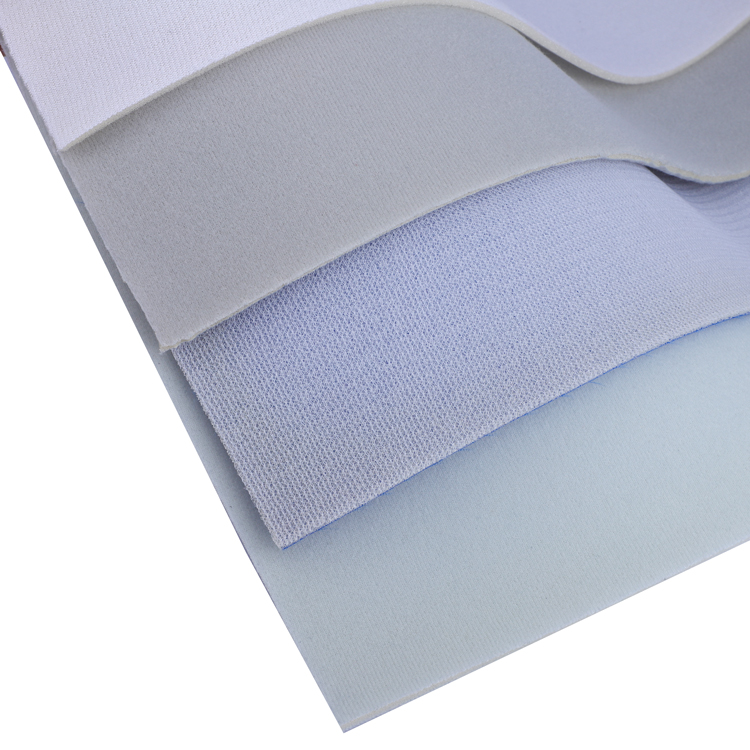
Plaster vs. Fiberglass Cast Padding: How Should You Select Undercast Materials?
In orthopedic casting material procurement, Cast Padding is often purchased alongside Plaster of Paris Bandages and Fiberglass Casting Tape. However, these three materials serve different functions within a casting system.
Plaster bandages and fiberglass casting tapes are used to create the external rigid support structure, while cast padding is placed between the skin and the external casting material as a cushioning layer. For cast padding manufacturers and buyers, the main challenge is not simply choosing a soft nonwoven fabric. It is determining whether the material's softness, thickness, conformability, fiber structure, and wet-state performance meet the requirements of the intended casting system.
Plaster and fiberglass casting systems have different material characteristics. Therefore, buyers should not assume that the same padding specification is suitable for every product. The fiber composition, structure, and performance of the padding need to be evaluated against the requirements of the specific casting material.
This article explains how to select plaster cast padding and fiberglass cast padding by examining the differences between casting systems, padding material requirements, needle-punched nonwoven characteristics, and purchasing specifications.
What Is the Role of Cast Padding in Orthopedic Casting Systems?
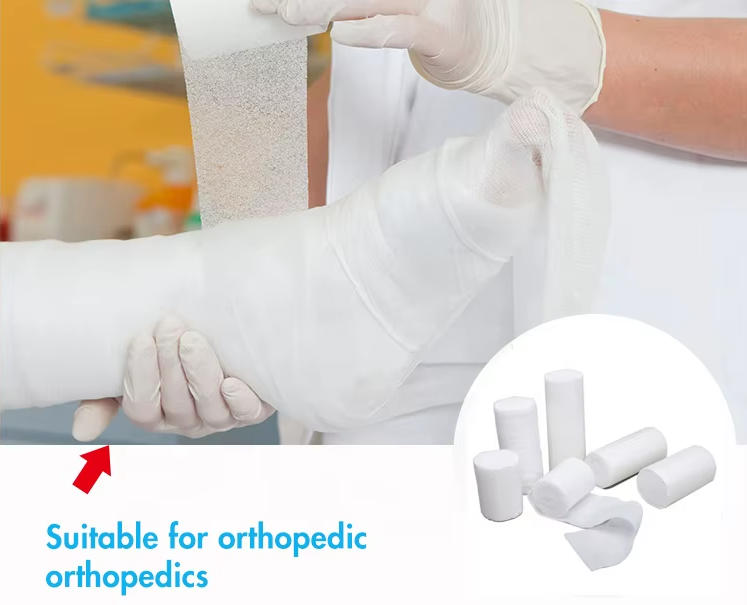
Cast Padding, also known as Undercast Padding or Orthopedic Cast Padding, is a cushioning material used in orthopedic casting systems. It is generally placed between the skin and the external casting material.
Unlike plaster bandages or fiberglass casting tapes, cast padding does not form the external rigid support structure. Instead, it serves as a cushioning and protective layer within the casting system.
For orthopedic casting material manufacturers, several material characteristics need to be considered according to the design requirements of the final product.
Cushioning and Softness
Cast padding needs to provide an appropriate level of softness and cushioning for the intended product. If the material is too stiff, has an uneven surface, or has an unsuitable structure, it may affect the fit and overall user experience of the finished product.
Thickness and Material Structure
Thickness and fiber structure influence compression behavior, coverage, and overall material bulk. Buyers should not evaluate padding suitability based on GSM alone. Actual thickness, density, and the structure of the material after compression also need to be considered.
Conformability and Flexibility
The padding should be evaluated for its ability to work with different product shapes and external casting materials. Important considerations include how easily the material bends, whether it maintains a uniform structure, and whether processing causes uneven thickness in certain areas.
Breathability and Moisture Management
Some cast padding products require consideration of air permeability and how the material handles perspiration and moisture. Different fiber compositions and material structures can produce different results. These characteristics should be evaluated against the requirements of the final product rather than judged by the material name alone.
For buyers, cast padding should be regarded as a functional layer within a complete casting system. Its specifications need to match the external casting material and the requirements of the finished product.
What Are the Differences Between Plaster of Paris Casts and Fiberglass Casting Tapes?
Both Plaster of Paris Casts and Fiberglass Casting Tapes can be used for orthopedic immobilization, but they differ in their raw materials and hardening mechanisms.
Plaster of Paris Bandages: The Plaster Casting System
Plaster bandages generally use a fabric substrate that carries plaster material. When exposed to water, the plaster undergoes a hydration reaction and gradually hardens to form the external supporting structure.
Plaster casting materials have their own forming and hardening characteristics. Therefore, the accompanying padding should be selected according to the product requirements of the plaster system.
When evaluating padding, buyers should consider softness, thickness, structural uniformity, and whether moisture absorption and drying characteristics meet the requirements of the plaster casting product.
It is important to note that absorbency alone does not establish whether a padding material is suitable for a plaster system. Specific moisture management requirements should be determined according to the casting material manufacturer's product instructions and validation results.
Fiberglass Casting Tape: The Fiberglass Casting System
Fiberglass casting tapes generally use a fiberglass substrate combined with synthetic resin to form the external supporting structure. Common products use resin systems with specific curing conditions, which should be confirmed through the relevant product technical documentation.
Compared with plaster bandages, fiberglass casting systems have different material structures and curing characteristics. Their accompanying padding therefore needs to be evaluated according to the requirements of the corresponding products.
Buyers should pay attention to padding softness, conformability, thickness consistency, fiber structure, and overall performance when used with the target casting tape.
A padding material previously used in a plaster system should not automatically be assumed suitable for every fiberglass casting system.
Key Purchasing Differences Between the Two Casting Systems
Comparison | Plaster of Paris Cast | Fiberglass Casting Tape |
External casting material | Plaster combined with a fabric substrate | Fiberglass substrate combined with synthetic resin |
Main hardening mechanism | Hydration reaction after the plaster contacts water | Depends on the specific resin system and product curing conditions |
Padding evaluation priorities | Softness, thickness, structure, and moisture management requirements | Softness, conformability, thickness consistency, and system compatibility |
Key purchasing considerations | Material requirements and relevant validation for the plaster product | Product documentation and compatibility validation for the fiberglass casting tape |
These differences mean that buyers should not select padding based only on the general product name. They need to identify the type of external casting material and the specific product requirements.
What Factors Should Be Considered When Selecting Padding for Different Casting Systems?
Although both plaster and fiberglass casting systems use a padding layer, buyers should confirm the material according to the design requirements of each product rather than automatically applying the same specifications to both.
When Used with Plaster Casting Systems
For plaster casting systems, padding should be evaluated for softness, thickness, structural uniformity, and moisture management performance.
Since plaster materials need to contact water to harden, buyers should also confirm whether the padding's moisture absorption, moisture retention, and drying characteristics meet the technical requirements of the specific plaster product.
It is not appropriate to assume that higher liquid absorption is always better, or that a material with lower absorption is necessarily more suitable for a plaster system. Actual requirements should be determined by the design and test results of the corresponding plaster product.
When Used with Fiberglass Casting Systems
For fiberglass casting systems, buyers need to consider how the padding works with the synthetic resin casting tape.
Important evaluation factors include softness, thickness, conformability, fiber stability, and wet-state structure. Buyers should confirm whether the material maintains its expected condition within the intended casting system.
Different fiberglass casting tapes may use different resin systems and product designs. Therefore, compatibility results for one product should not automatically be applied to all fiberglass casting tapes.
Can the Same Needle-Punched Nonwoven Be Used for Both Systems?
From a material development perspective, the same needle-punched nonwoven can be considered as a candidate padding material for both casting systems. However, whether it can actually be used in both applications must be determined through specific product requirements and sample validation.
For example, the same fiber composition may be developed into different specifications with different thicknesses, densities, and softness levels. Even when the raw materials are identical, the final material structure and performance may vary.
If buyers want to use the same material for both plaster and fiberglass casting tapes, they should confirm the material requirements of each system separately and conduct the corresponding compatibility evaluations.
Therefore, the correct purchasing decision is not simply to answer whether one material can or cannot be used for both systems. Buyers should first identify the technical requirements of each casting system and then determine whether one material specification can meet both sets of requirements.
What Material Characteristics Matter in Needle-Punched Nonwoven Cast Padding?
Needle-punched nonwoven fabric is formed through the mechanical entanglement of fibers, creating a nonwoven material with a certain thickness and structure. When evaluating needle punched cast padding, buyers can consider the following material characteristics.
Softness
Softness affects the material's feel and conformability. Different fiber compositions, fiber fineness levels, and material structures can produce different tactile properties.
Buyers should specify the desired softness and confirm it through samples rather than using the general term "soft" as the only purchasing requirement.
Thickness and Density
Thickness and density affect the overall material structure, compression behavior, and coverage.
Buyers should provide both the target GSM and thickness requirements. If only GSM is specified, materials with different densities and structures may still have different performance characteristics.
For padding that needs to maintain a certain thickness, buyers should also confirm whether the material meets the final product's design requirements after compression.
Conformability and Flexibility
The material needs to provide suitable flexibility for the product structure and accommodate subsequent processing and finished-product shapes.
Buyers can evaluate the material's condition after bending, edge integrity, and local structural uniformity through sample testing to determine whether it is suitable for the intended product.
Fiber Stability and Surface Structure
Padding materials should also be evaluated for fiber shedding, surface uniformity, and their ability to maintain the expected structure under relevant processing and use conditions.
If the product requires slitting, rewinding, or other subsequent processing, buyers should also confirm the material's processing suitability.
Breathability and Moisture-Related Performance
Different fiber combinations and needle-punched structures can affect air permeability and moisture management performance.
For plaster and fiberglass systems, buyers should confirm air permeability, moisture absorption, and drying-related requirements according to the specifications of the corresponding casting materials. They should not assume that a particular fiber has a uniform clinical performance.
These characteristics need to be confirmed through material specifications and sample testing. Product suitability cannot be determined by the needle-punched manufacturing process alone.
How Do Different Fiber Compositions Meet Cast Padding Requirements?
Orthopedic cast padding can be developed using different fiber compositions according to product requirements. Common material options include Polyester, Cotton, Viscose, and blends of different fibers.
Each fiber has different characteristics. Buyers should therefore select materials according to the required softness, structural stability, moisture absorption, and processing performance of the intended product.
Polyester
Polyester fibers offer good strength and dimensional stability, making them suitable for product development where material structure and processing stability are important considerations.
In needle-punched nonwoven production, polyester fibers can be processed into padding materials with different thicknesses, densities, and softness levels through variations in material structure and specifications.
However, polyester is less hydrophilic than cotton and viscose. If buyers have specific moisture absorption requirements, the material should be evaluated according to its actual structure and test results.
Cotton
Cotton fibers have natural hydrophilic properties and generally offer good moisture absorption and a soft feel.
Cotton can be considered as a material option for cast padding products where fiber composition and moisture absorption are important considerations.
However, the actual performance of cotton-based materials also depends on raw material quality, fiber structure, GSM, and processing methods. Using cotton fibers alone does not guarantee that a material will meet the requirements of every casting system.
Viscose
Viscose fibers have good hydrophilic and moisture absorption properties. They can also be used in the development of nonwoven materials where softness and liquid management performance are important.
Their actual performance is also influenced by fiber specifications, blending ratios, and material structure. Buyers should confirm the appropriate material specifications according to the requirements of the finished product.
Blended Fiber Compositions
For some product development projects, manufacturers may consider polyester-viscose, polyester-cotton, or other fiber combinations to balance softness, structural stability, and moisture absorption.
However, different fiber combinations do not guarantee fixed performance results. Fiber proportions, raw material specifications, GSM, thickness, and needle-punched structure all influence the final material.
For buyers, the most important step is to define the product performance requirements before selecting the fiber composition, rather than judging material suitability by fiber names alone.
For a more detailed comparison of Polyester, Cotton, and Viscose, refer to polyester, cotton and viscose cast padding materials.
What Information Should Buyers Provide When Purchasing Cast Padding?
For manufacturers of plaster bandages and fiberglass casting tapes, clear purchasing information helps suppliers understand the intended application and evaluate suitable nonwoven structures.
Buyers are advised to prepare the following information before requesting a quotation.
Casting System Type
First, identify the external casting material that the padding will be used with.
Specify whether the padding is intended for Plaster of Paris Bandages, Fiberglass Casting Tapes, or whether the same padding material is expected to work with both systems.
If you already have the brand, model, or technical documentation of the target casting tape or plaster product, providing this information can help the supplier understand the specific application requirements.
Fiber Composition
Specify whether you require 100% Polyester, 100% Cotton, Polyester-Viscose, or another customized fiber blend.
If the fiber composition has not yet been determined, you can first provide the target product performance requirements and discuss suitable fiber options with the supplier.
GSM, Thickness, and Density
Provide the target weight, thickness, and density requirements.
If these values have not yet been finalized, you can provide a reference sample or the specifications of an existing product to support material comparison.
Softness and Conformability Requirements
Explain the desired feel, flexibility, and structural characteristics of the material.
If you have an existing product sample, providing it can help the supplier understand the basic material characteristics required.
Supply Form and Dimensions
Specify whether you require rolls or sheets, along with the required width, length, packaging method, and any subsequent processing requirements.
For purchasing projects that require further slitting, rewinding, or other processing, the relevant equipment and processing conditions should also be explained.
Testing and Quality Requirements
Buyers should identify the tests that need to be confirmed, such as GSM, thickness, tensile strength, moisture absorption, structural stability, and other requirements related to the intended product.
If the finished product needs to comply with specific medical product regulations, material safety requirements, or quality standards in the target market, the applicable standards and documentation requirements should be provided in advance.
It is particularly important to understand that ordinary nonwoven samples, non-sterile materials, or general quality documents supplied by a material manufacturer do not automatically mean that the finished orthopedic padding product has received medical product approval or sterilization validation.
For JHC's orthopedic cast padding product range, the material options currently available for discussion include 100% Polyester, Polyester-Viscose, 100% Cotton, and customized fiber blends. Supply forms include rolls and sheets. Specific GSM, thickness, density, softness, color, width, roll length, and packaging can be further discussed according to project requirements.
The current products are supplied in non-sterile form. If a purchasing project requires sterile supply, specific medical product certifications, or other regulatory documentation, these requirements should be clearly stated during the inquiry stage so that the supplier can confirm the actual scope of applicability.
Conclusion: Select Cast Padding According to the Requirements of the Casting System
Plaster of Paris Casts and Fiberglass Casting Tapes are two different external casting material systems. Although both may use cast padding as an underlayer, buyers should not assume that the same material specification is suitable for every product.
The appropriate padding material should be selected according to the casting material type, material structure, softness, thickness, conformability, moisture management, and quality requirements.
Needle-punched nonwoven materials can be developed with different fiber compositions and material specifications. However, whether a material is suitable for a plaster system, a fiberglass system, or both must be confirmed through the specific product requirements and sample validation.
If you are sourcing orthopedic cast padding, we recommend providing the casting system type, target fiber composition, GSM, thickness, width, supply form, and relevant testing requirements when requesting a quotation. This information helps the supplier evaluate the appropriate material structure and customization options more accurately.